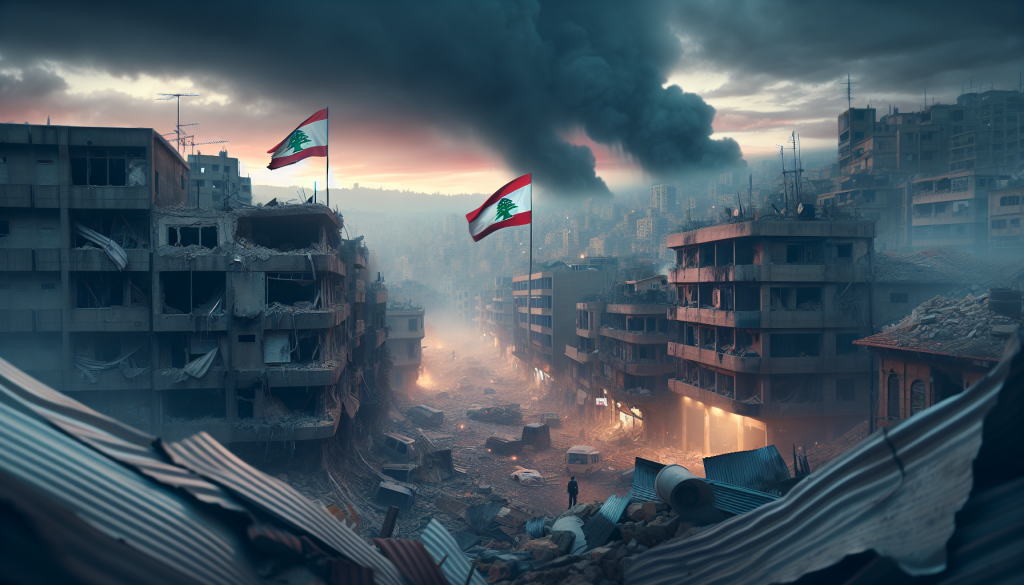

Lebanon is witnessing heightened tensions following a series of deadly airstrikes carried out by Israel, which have sparked widespread anger across the country. These military actions come despite ongoing diplomatic efforts aimed at reducing hostilities in the region. The strikes have exacerbated fears of escalating conflict, undermining fragile peace initiatives and increasing civilian casualties.
In a significant development, Hezbollah lawmaker Hassan Fadlallah publicly criticized the notion of negotiating with Israel, labeling such talks as fundamentally flawed. He emphasized that engaging with what he termed ‘the enemy’ could deepen internal divisions within Lebanon, threatening national unity. His remarks highlight the complex political landscape in Lebanon, where factions remain deeply polarized over how to address Israeli aggression.
Meanwhile, the international community continues to call for restraint and dialogue to prevent further deterioration of the situation. The ongoing violence and political discord underscore the challenges Lebanon faces in balancing diplomatic efforts with internal pressures. The situation remains volatile, with potential implications for regional stability and the broader Middle East peace process.