
The year-long shutdown of major trade routes between Pakistan and Afghanistan has cost businesses heavily, left thousands of workers without income and pushed Afghan traders toward more expensive alternatives. Pakistani traders have reported losses running into hundreds of billions of rupees, and Pakistan risks losing its standing as a key transit route linking South Asia with Afghanistan and Central Asia.
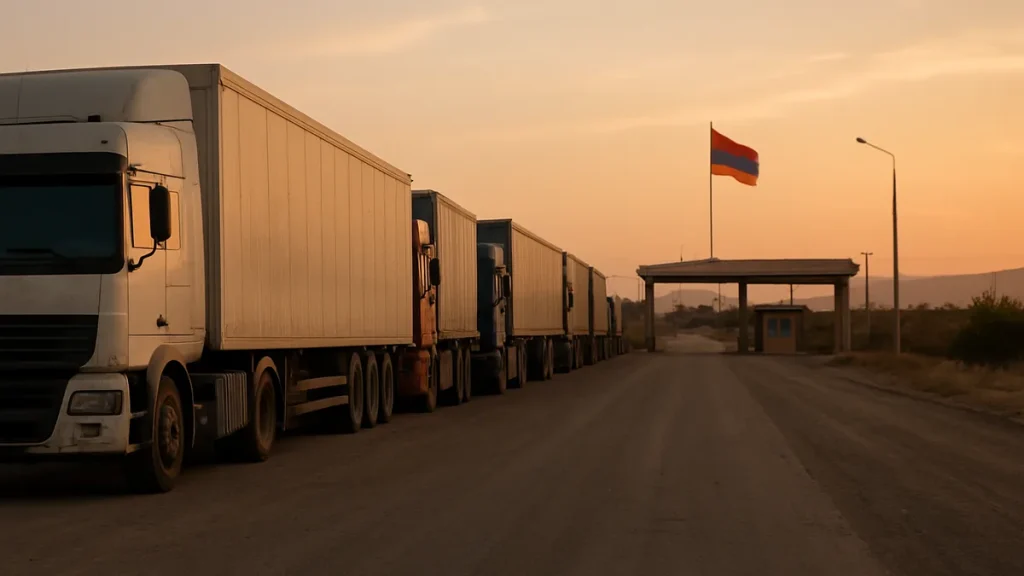
The closure began in October 2025 after deadly clashes between the two neighbours. It has brought regular commercial activity at the main border crossings to a standstill and disrupted the movement of goods through Pakistan into Afghanistan.
The fallout reaches well beyond exporters and importers. Farmers, transporters, customs clearing agents, warehouse operators, shopkeepers and daily-wage labourers have also been hit, particularly in Khyber Pakhtunkhwa, Balochistan and Afghanistan’s border regions. Estimates of the damage differ widely, depending on whether they include lost export orders, disrupted imports, stranded cargo, transport costs, foregone earnings or wider economic activity.
Estimated losses for Pakistani traders and exporters
Pakistani traders and business associations say losses have run into hundreds of billions of rupees since the shutdown began. A report published on October 12 said traders estimated the closure had caused losses of between Rs380 billion and Rs400 billion. The affected groups include exporters, importers, transporters and businesses that depend on cross-border commerce.
These figures reflect the reported impact on trade and related activity rather than an independently audited measure of the net loss to Pakistan’s economy. A separate report from August 22, citing a study by the Pakistan Institute of Development Economics (PIDE), said Pakistani exporters had lost an estimated $4.5 billion since the closure. That report also said the method behind the figure was not clearly explained, so it should be read as an indicative estimate rather than a verified loss figure.
Trade data from Afghanistan’s Ministry of Industry and Commerce points to a clear decline. Bilateral trade fell from about $2.46 billion in 2024 to $1.77 billion in 2025, a drop of roughly $695 million, or 28 per cent. Those figures cover the whole of 2025, including the months before the October shutdown, so they show a wider slump rather than losses caused by the closure alone.
According to the same Afghan ministry figures, Pakistan’s exports to Afghanistan fell from around $1.64 billion to $1.26 billion. Afghanistan’s exports to Pakistan dropped from roughly $817 million to $505 million over the same period.
Pakistani exporters lose a key neighbouring market
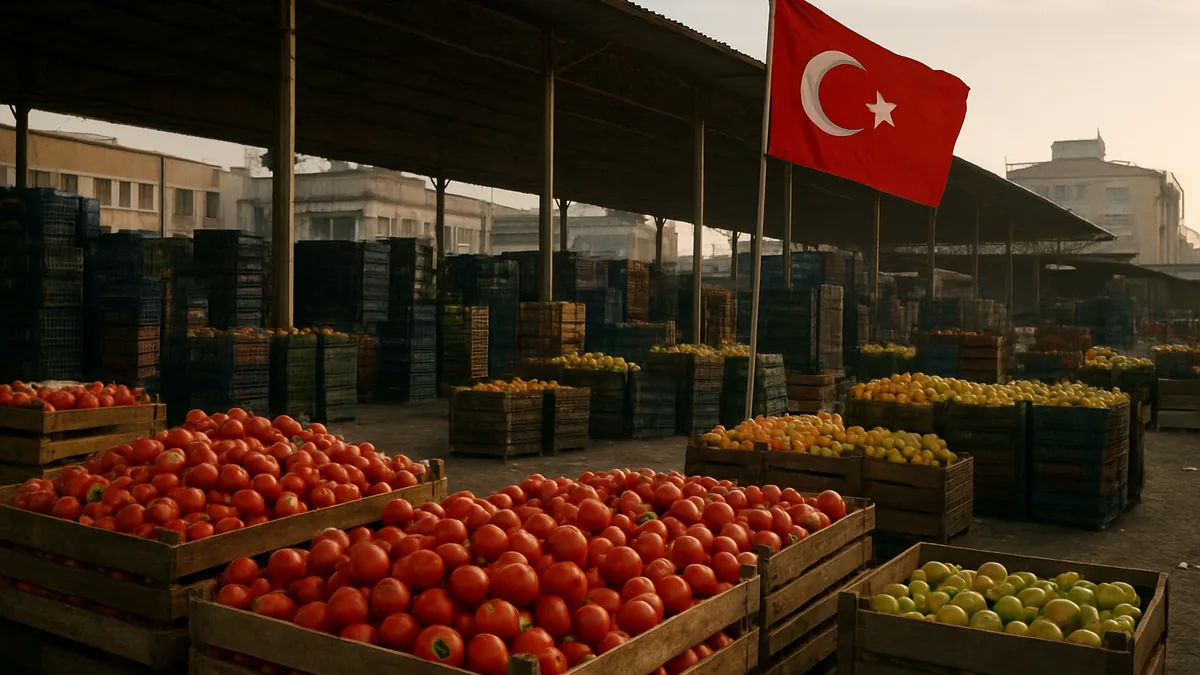
Afghanistan had been an important buyer of Pakistani goods, including cement, medicines, rice, flour, sugar, textiles, steel products and other consumer and industrial items. With the border shut, Pakistani businesses have lost a major market next door. Exporters are left with orders they cannot deliver, cargo stuck at border terminals and extra costs for storage, financing and transport.
The Pakistan Economic Survey 2025-26 shows how sharply the balance has shifted. Afghanistan’s share of Pakistan’s total exports fell from 4.3 per cent to 1.5 per cent during the July-March period the survey covers. The decline is most damaging for industries that built distribution networks and commercial relationships specifically for the Afghan market.
Exporters may look for buyers elsewhere, but opening new markets takes time, competitive pricing and further investment. The disruption also undermines Pakistan’s hope of using its location to facilitate trade between Afghanistan and Central Asian countries. Goods that once moved over Pakistani roads and crossings may now take other routes, which reduces demand for Pakistani transport and logistics services.
Afghanistan turns to Iran and Central Asian routes
As a landlocked country that depends on neighbours for access to seaports, Afghanistan has leaned more heavily on trade corridors through Iran and Central Asia. Traders have increasingly used Iran’s Chabahar port and overland links through Uzbekistan, Turkmenistan and Tajikistan. These routes have helped sustain Afghanistan’s wider international trade, although they do not match the convenience and cost advantages of the Pakistani route.
A January 6 report, citing Afghan commerce ministry data, said Afghanistan’s total international trade reached nearly $13.9 billion in 2025. Exports were about $1.8 billion and imports exceeded $12.1 billion. The figures suggest the closure has severely disrupted trade with Pakistan without halting Afghanistan’s overall international commerce.
Switching routes can nonetheless raise freight charges, lengthen transit times and add uncertainty. The impact varies by commodity, destination, transport availability and the capacity of alternative ports and road networks. Afghanistan’s diversification could also have lasting consequences for Pakistan, since some Afghan importers and exporters may keep alternative suppliers even if the border reopens.
Fresh produce has been among the hardest hit. Fruit and vegetables are perishable and depend on timely transport, and Pakistani markets had been an important destination for Afghan growers, with some produce moving through Pakistan towards India. With those routes largely unavailable, growers and traders face the risk of spoilage and oversupply in local markets. A Kandahar fruit trader, Haji Saadullah, said prices of fresh fruit had fallen by as much as 80 per cent after the disruption.
Import costs have also climbed. Khan Jan Alokozay, head of the Pakistan-Afghanistan Joint Chamber of Commerce and Industry, told media that a container shipped to Afghanistan through Pakistan, which previously cost up to $2,500, could cost as much as $10,000 on alternative routes. That would be a fourfold increase if applied to comparable shipments. The figure is an estimate from the chamber’s representative and should not be taken as a standard rate for every container or route.
Border workers in Torkham and Chaman face job losses
The damage is especially visible in communities that rely on cross-border trade. At Torkham, Chaman and other crossings, thousands of people earned their living by loading and unloading goods, driving trucks, handling customs paperwork, running warehouses, hotels and restaurants, or selling food to travellers and transport workers. When trade stops, these jobs dry up quickly.
A Voicepk report published in August described labourers and customs clearing agents struggling with unemployment and debt after months without regular work. Aziz-ur-Rehman, a daily-wage labourer at Torkham, told the publication he had been without work for 10 months and that his household was buying groceries on credit. Merajuddin, chairman of the Customs Clearing Agents Association, said traders, transporters, labourers and customs agents had all suffered because their incomes depended on border trade.
The effects extend to businesses not directly involved in trade. Transport yards, fuel stations, roadside restaurants, small shops and accommodation providers lose customers when trucks and traders stop arriving. In areas with few other jobs, a prolonged disruption can push households into debt, reduce spending and weaken local markets.
Consumers are feeling the strain on both sides of the border. In Pakistan, traders and retailers have reported disruption to supplies of Afghan fruit, vegetables and other products. Any price rise would depend on domestic production, imports from other countries, seasonal conditions and the availability of substitutes. In Afghanistan, consumers face higher costs for some imported goods and have lost access to competitively priced Pakistani products.