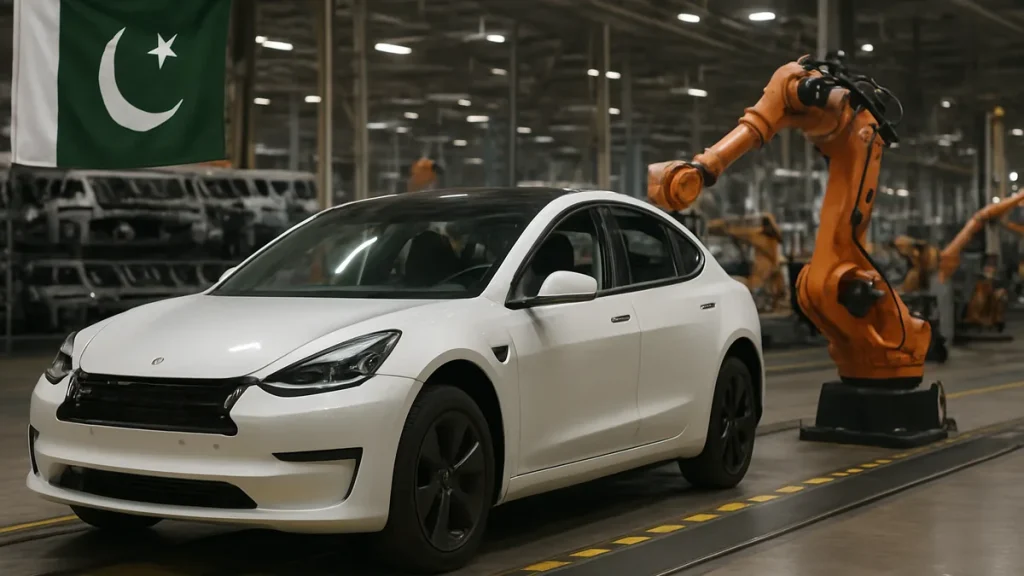

Pakistan has approved a new auto policy that sets export goals, local manufacturing targets and revised electric vehicle taxes, while turning down an International Monetary Fund (IMF) proposal to raise the sales tax on EVs to 18 per cent. The policy paper says the government wants vehicle exports to reach $6 billion. It also aims to expand the production of locally made auto parts, upgrade technology and cut import duties on vehicles gradually.
The policy still includes a 10 per cent federal excise duty on electric vehicles valued above $75,000. Its stated goal is to make smaller, cheaper vehicles more within reach for low-income buyers.
Electric vehicle tax rates and financing rules
Battery electric vehicles will keep a one per cent sales tax from 2026 to 2031, according to the document. Range-extended electric vehicles would pay six per cent, while plug-in hybrids would face nine per cent. Sales tax on EVs is to fall step by step until 2031.
Import duties on electric vehicles would also be reduced in phases, with lower tariffs proposed for small EVs valued below $15,000. Financing rules are changing as well. The financing limit for EVs would rise from Rs3 million to Rs10 million, and the maximum loan period would extend from three years to five.
Export targets, incentives and penalties for automakers
Vehicle manufacturers will be given mandatory export targets under the framework. The government has also set a goal of $1.2 billion in auto parts exports by fiscal year 2030-31. Companies that meet the requirements would be compensated with five per cent of their export value, and an extra 10 per cent incentive is proposed for shipments that exceed the previous year’s level.
Firms that miss their export goals face penalties. Manufacturers that fall short for two consecutive years could have their manufacturing certificates cancelled. Companies that fail to meet local production targets could lose their incentives. To sharpen competition, tariffs in the automotive sector are to be lowered to 15 per cent by 2030-31.
Levy revenue, testing institute and audit measures
The policy proposes an Automotive Development Levy on vehicles with engines above 1,000cc. The government estimates the levy could bring in more than Rs232 billion over five years. That money would be directed to export incentives, industrial development programmes and technology upgrades for auto parts makers, and legislation for the levy is targeted for completion by December 2026.
A proposed Pakistan Automotive Testing Institute would support research, certification and independent audits. Global safety standards would apply to both locally built and imported vehicles, and manufacturers would need to include consumer protection terms in their buyer agreements. The policy also proposes two audits each year, with third-party checks on payments for local production and export incentives. Training programmes for skilled workers are part of the plan, which is intended to strengthen the industry over the next five years.