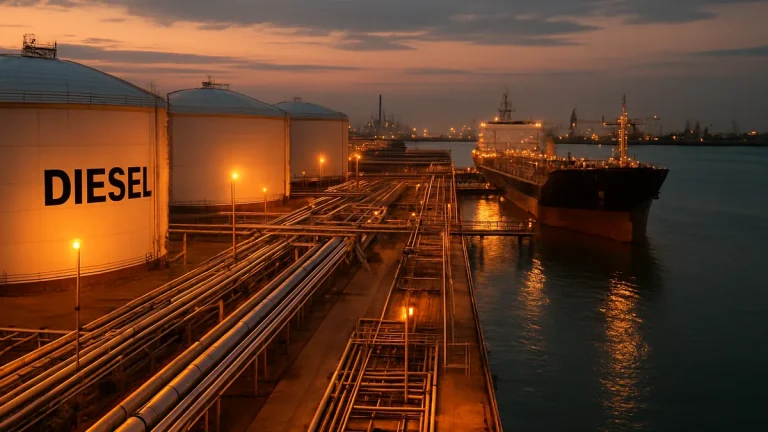

On the 46th day of escalating tensions between the United States and Iran, the US has initiated a blockade targeting Iranian ports. This move aims to restrict Iran’s maritime trade and exert economic pressure amid ongoing hostilities. The blockade represents a significant intensification in the conflict, impacting regional stability and global oil markets due to Iran’s strategic position in the Middle East.
Meanwhile, despite the hardening stance, former President Donald Trump has indicated that there remains an opportunity for Tehran to negotiate a deal. This statement suggests that diplomatic channels have not been entirely closed, reflecting the complex interplay between military actions and political negotiations in the conflict. The possibility of dialogue underscores the international community’s interest in preventing further escalation.
In a broader context, the US-Iran conflict continues to influence geopolitical dynamics across the Middle East. The blockade and ongoing tensions have implications for global security, energy supplies, and alliances in the region. As the situation develops, the balance between confrontation and diplomacy will be critical in shaping the future trajectory of US-Iran relations.