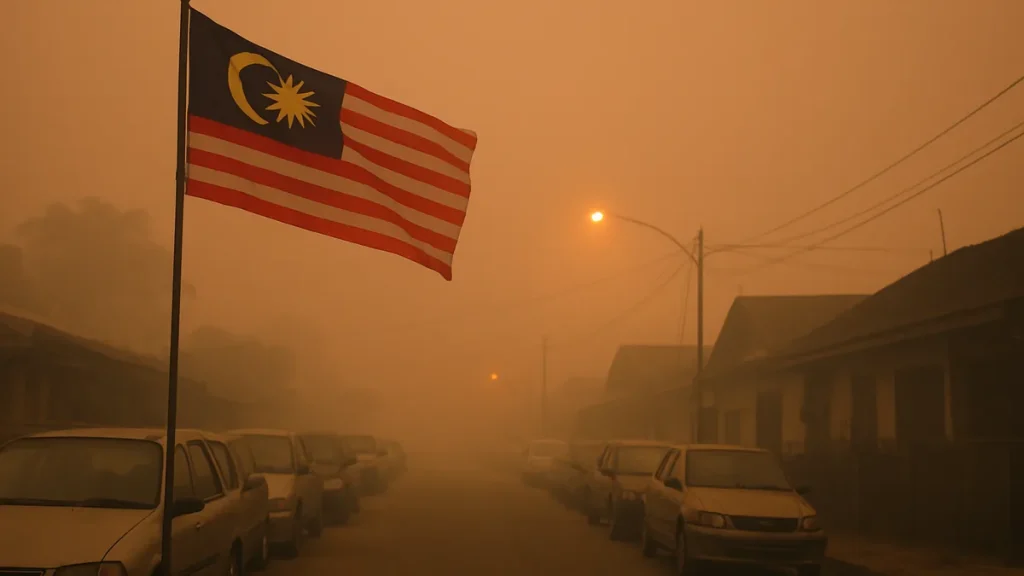

Smog blanketing Indonesian Borneo turns the sky a dull rust colour, and cars, houses and streets fade in and out of view. In Palangkaraya, the capital of Central Kalimantan, residents say the nights are the hardest. Mother-of-three Dianyra Eka Nastiti said her baby sometimes makes a rattling sound in her chest, and that the child was hospitalised for bronchopneumonia when she was only a month and a half old.
The haze is the result of wildfires that have burned for months. According to the open-access satellite platform Nusantara Atlas, about 1.9 million hectares have burned across Indonesia since the start of the year, an area roughly the size of the US state of New Jersey. The platform estimates that one million hectares burned in September alone. The smoke has spread far beyond Indonesia, drifting as far as Singapore, Malaysia and the Philippines.
Health Ministry records hundreds of thousands of illness cases
Indonesia’s Health Ministry had recorded more than 277,000 cases of people suffering from chronic coughs and acute respiratory infections as of mid-October. The figures shown in the report include:
- More than 277,000 cases of chronic coughs and acute respiratory infections
- More than 62,000 cases among infants and toddlers under five
- Smoke and haze containing microparticles that can reach deep into the lungs and, in some cases, enter the bloodstream
Experts cited in the report said the haze contains a complex mix of pollutants. Tiny particles can cause inflammation, chronic lung disease and a higher risk of premature death. Riduan, head of the Palangkaraya Health Office, said the thick smoke means residents are inhaling carbon dioxide and pollutants rather than fresh oxygen, and that this can leave the brain short of oxygen.
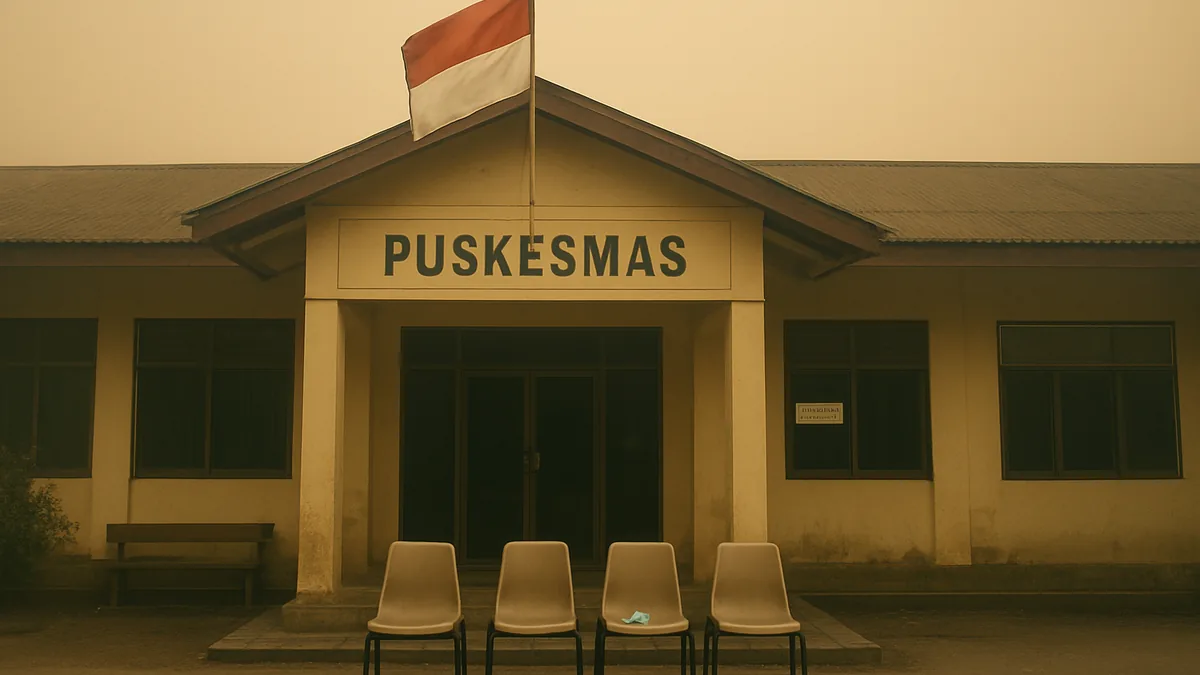
Children, older adults and pregnant women are considered especially vulnerable, particularly during long periods of exposure when the health effects can build up. Among the people affected is 22-year-old Natari Victoria, who was admitted to a health centre in Palangkaraya after more than a week of coughing. She said several young cousins, including babies, were also coughing.
Families stay indoors as official advice proves hard to follow
In Palangkaraya and similar areas, official advice is to stay indoors and avoid going outside. Dianyra Eka Nastiti said this is unrealistic for families who still need to buy vegetables, stock up on food and buy school supplies. She said people who suggest otherwise do not understand what is happening in the city.
When the haze grows heavy, she said she has no choice but to keep her children inside. She said young children should be playing with friends and going to school, but instead they are confined to the house.
Lola Macitri, a 37-year-old who lives in the rural village of Ramang, about 50 kilometres north of Palangkaraya, described a similar situation. She said the smog has moved from dusty grey to amber yellow and, more recently, burnt orange over the past few weeks. Her children have been attending school online, while she and other adults try to work for half a day in the polluted air.
The report said many farmers, daily-wage earners and small vendors have had to either give up their income or accept the risk of going outside. Macitri said the families have little choice. “We just have to endure and stay strong through this situation, because there is simply no other option,” she said.
Firefighters struggle with drought and peat fires spreading
The government is under growing public pressure to do more to stop the fires, and many people have criticised the authorities’ response as seriously inadequate. Officials say they have used a range of measures, including aerial waterbombing and experimental weather modification. Last week, the government said it had deployed more than 60,000 personnel to carry out a “land operation” and claimed an 80% success rate in extinguishing new fires.
Dr Nisa Novita, a forestry expert and peatland researcher at the conservation NGO Yayasan Konservasi Alam Nusantara, said all safe and effective options should be used. Resources on the ground are running low, however. Juni, a responder who has been fighting wildfires for more than 100 days, said the flames appear to be out on the surface while smouldering blazes continue underground. He said the smoke has caused him shortness of breath, a persistent cough and eye pain.
Seasonal fires are not new to Indonesia, but the report said a so-called Super El Nino has intensified drought this year and delayed the rainfall needed to put out peat fires. Fauzi Rahman, a firefighter in Palangkaraya, said peatland fires are difficult to extinguish because they need large amounts of water over a long time. He said water is currently hard to find.
Dr Novita said her team has also reported fires spreading into areas that had no history of burning. Riduan said he hopes the combined efforts of the community, the military and the police will bring the fires under control. He added that, for now, the fires are still burning, and said the greatest hope is for rain soon.