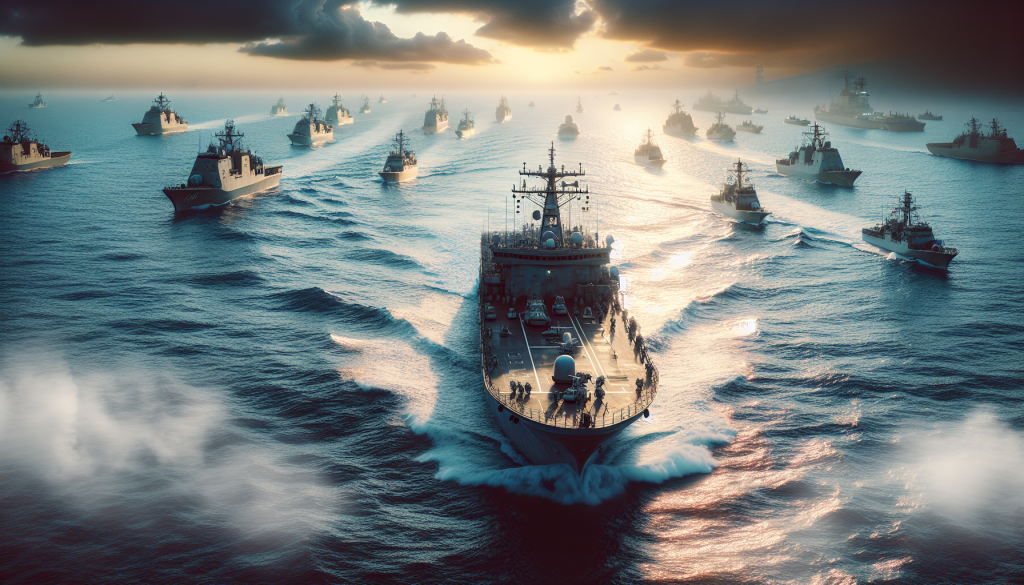
In a significant development, US President Donald Trump revealed that Iran has approached Washington with a request to end the naval blockade imposed on its ports. This blockade has been a critical element of US strategy aimed at curbing Iran’s regional influence and restricting its economic activities, particularly its oil exports. The announcement marks a rare instance of direct communication between the two adversaries amid heightened tensions in the Middle East. The naval blockade has been a source of ongoing conflict, impacting maritime trade routes and regional security.
Meanwhile, the situation on the ground remains volatile as Israel reportedly killed medics, further exacerbating the humanitarian crisis in the region. The targeting of medical personnel has drawn international condemnation and raised concerns about the protection of civilians in conflict zones. This incident underscores the complex and multifaceted nature of the conflict involving Iran, Israel, and their respective allies. It also highlights the broader implications for regional stability and international diplomatic efforts.
The request by Iran to lift the blockade could signal a potential shift in its approach to the ongoing standoff with the United States. However, the US administration’s response to this overture remains uncertain, with strategic and political considerations at play. The evolving dynamics between Tehran and Washington will be closely monitored by global powers, as any change could influence the balance of power in the Middle East. The developments also emphasize the urgent need for diplomatic engagement to prevent further escalation and promote peace in the region.