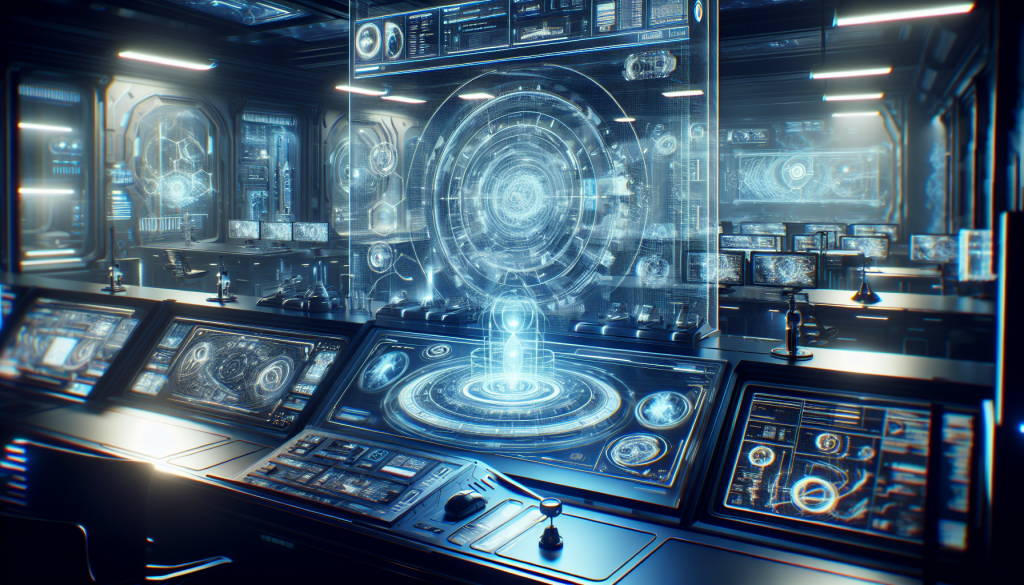
The concept of time travel has fascinated humanity for decades, inspiring both scientific inquiry and popular culture. Theoretical physics offers several frameworks, such as Einstein’s theory of relativity, which suggests that time dilation could allow for travel into the future under certain conditions. Meanwhile, quantum mechanics introduces ideas like wormholes and parallel universes that might theoretically enable movement through time.
In a significant development, researchers continue to explore the paradoxes and challenges associated with time travel, including causality violations and the grandfather paradox. These issues highlight the complexity of reconciling time travel with established physical laws. Notably, advancements in technology and deeper understanding of spacetime could one day provide practical insights or even experimental evidence related to time travel.
The implications of time travel extend beyond science, influencing philosophy, ethics, and our understanding of reality. If achievable, it could revolutionize fields such as history, communication, and even human experience itself. As investigations progress, the question remains open, inviting both skepticism and hope within the scientific community and the public alike.