
US prosecutors have said in a court filing that an former OpenAI engineer accused of planting a recording device in an executive conference room appears to have received considerable support from the Saudi government. The document was made public late on Sunday, and prosecutors used it to ask a federal judge to keep the defendant, Abdulrahman Alfozan, 35, in custody until his trial.
Alfozan is a Saudi national and lawful permanent resident of the United States. He is scheduled to appear in federal court in San Francisco later on Monday. Prosecutors argue that he is a flight risk.
Alleged contacts with a Saudi royal and military official
Federal prosecutors allege that Alfozan was in frequent contact with an unnamed member of the Saudi royal family. They also say a Saudi military official paid for a one-way plane ticket so that Alfozan’s wife and young son could return to Saudi Arabia after his arrest. These claims come from the court document and remain allegations.
According to prosecutors, a member of the royal family tried to recruit Alfozan for an AI-focused role in Saudi Arabia. Messages cited in the filing show the official writing that Saudi Arabia needed him more than the United States did. Alfozan replied with a single word, “100”. Before his arrest, he was due to travel to Riyadh during a planned two-month parental leave.
Prosecutors said his wife told investigators that she and their son planned to move permanently to Saudi Arabia, and that Alfozan eventually intended to join them.
Hidden recording device in an OpenAI conference room
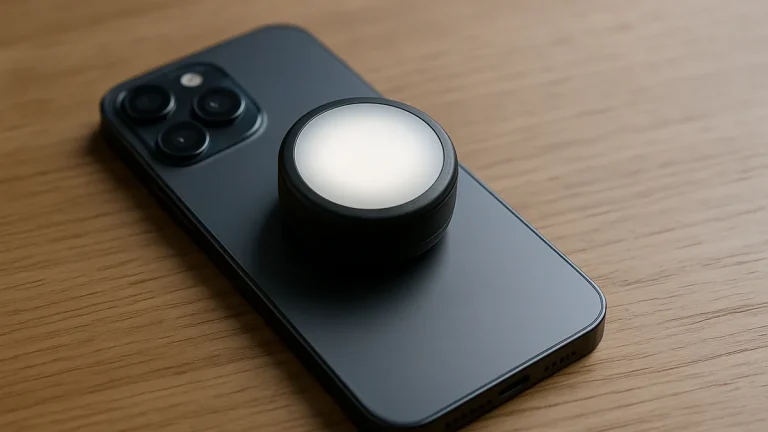
US prosecutors charged Alfozan last week with using an electronic device to intercept oral communications. A criminal complaint states that he plugged a recording device into the back of a television in an executive conference room at one of OpenAI’s San Francisco buildings.
Prosecutors wrote in a detention memo that the defendant went to significant lengths to create customised, encrypted recording devices. They said he used them to secretly record sensitive meetings involving senior OpenAI staff, business counterparts and government officials. Prosecutors also said he was communicating with people of significance in Saudi Arabia and pursuing opportunities there.
According to the memo, meetings involving government officials took place in the conference room around the time the device was installed. OpenAI said earlier that it discovered the device on September 30 and referred the matter to the FBI.
Prosecutors said the investigation remains active and that additional charges could be brought against Alfozan.
Defence says trip to Saudi Arabia was planned earlier
Alfozan’s lawyer, William Pernik, had previously asked for his client to be released from custody. He proposed conditions including location monitoring and the surrender of his passport. The lawyer said Alfozan had spent the last 15 years in the United States and had applied to become a citizen.
The lawyer also said a planned trip by Alfozan to Saudi Arabia this month was booked before he came under investigation. He described it as being for “family and immigration reasons”, according to a court filing.
Alfozan’s background in Saudi technology circles has also been noted in the case. In an Arabic-language interview on a podcast last month, he said he visits Saudi Arabia three or four times a year and mentors Saudi startups. He also said that meeting Prince Mohammed bin Salman, then deputy crown prince, at a 2016 gathering of young Saudi tech workers in Silicon Valley encouraged him to gain experience at a major tech company first.
The Saudi government media office did not immediately respond to requests for comment. has reached out to the Saudi embassy for comment.