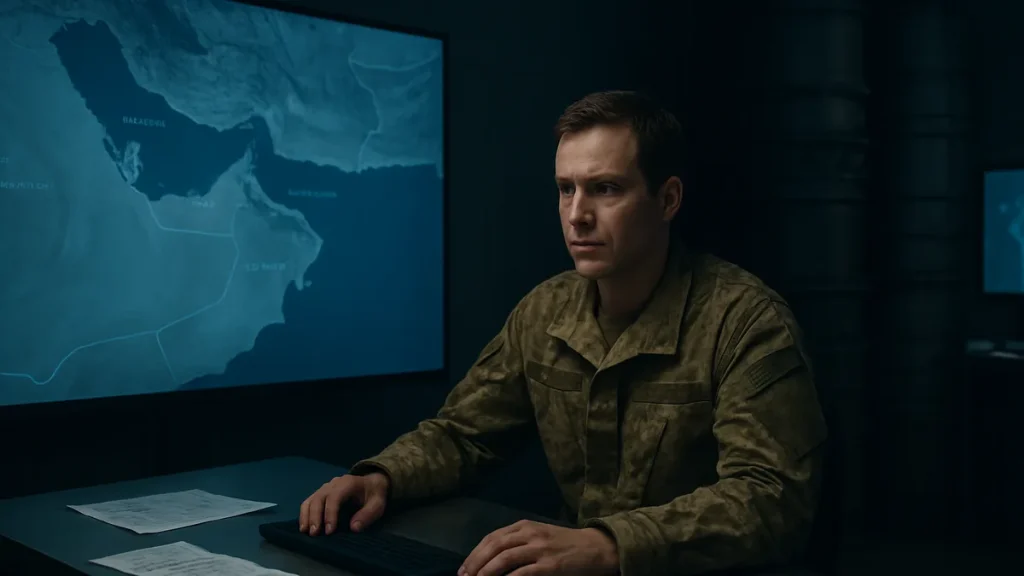

An analysis piece argues that the conflict with Iran has forced the United States to reconsider how it fights wars. The article says US strikes on Iranian cities did not prevent Iran from hitting back at a scale Washington had not anticipated, and it describes the conflict as exposing serious weaknesses in American forces.
According to the article, at least eight US aircraft have been destroyed or severely damaged, several US radars have been hit, and casualties have been reported. Missiles have also struck Israel, and Gulf countries have faced fast-approaching Iranian missiles and drones, many of which they failed to intercept.
Interceptor stocks run low after Iranian attacks
The article says the US expected Iran to be left badly damaged and without options. Instead, it claims Washington has used up roughly half of its Patriot missiles and around half of its THAAD interceptors. Most of these, it says, were fired at Iranian drones.
The cost gap is central to this argument. The article says a domestic Iranian drone can cost as little as $7,000, while the missiles used to intercept such drones cost millions of dollars each to produce. Iran has said it has no shortage of missiles and drones. The article suggests that if this is true, the economics of the conflict favour Tehran, and that the US must rethink both its military strategy and its wider approach to the war.
The piece also notes that the US has long been seen as the leading military power, a reputation it says was built on high-tech innovation, advanced weapons and a management structure that allowed decisions to be made quickly. Recent events, in the article’s view, have revealed loopholes that the world had not previously seen.
Cheap drones and the limits of US production
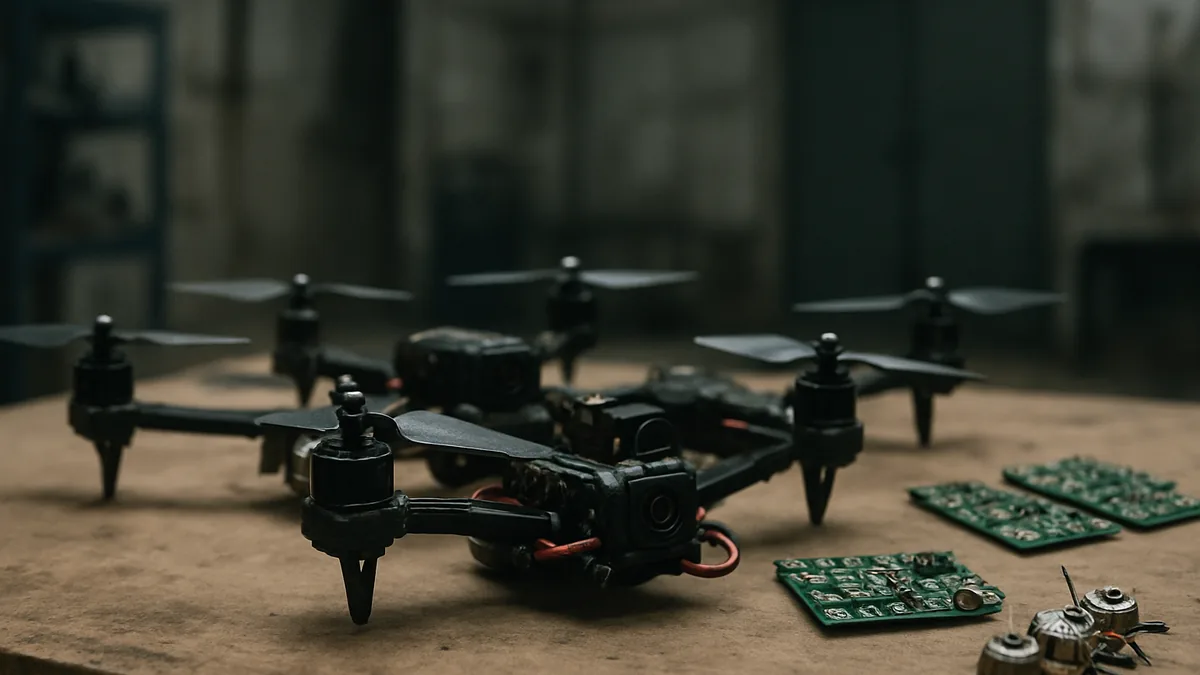
The article says drones have transformed warfare because they are inexpensive and can cause large amounts of damage. It points to Ukraine’s use of drones against Russia and to Iran’s use of them to strike bases across the Middle East. During the current war, it says, Iran launched a large arsenal of cheap drones at US bases in the Gulf and at Israel.
Against this, the article says the US has procured only about 50,000 modern drones, whereas Ukraine is said to be producing millions a year. It argues that Washington still lacks the large-scale manufacturing infrastructure needed to counter such threats at low cost. Without it, the piece says, there is no lasting solution to the drone threat.
The article also raises concerns about supply chains. It claims that many of the limited drones built in the US contain Chinese hardware and components, which it describes as creating dependence on rivals. According to the piece, the country has not yet found a way to produce cheap, fast drones at scale.
AI access and China’s rise in technology
The article describes artificial intelligence as a likely driver of even larger changes in modern warfare. It acknowledges that America is home to some of the most advanced AI companies, but argues that other countries have not fallen far behind. Because AI is largely a commercial product rather than a military one, the piece says, it is widely accessible.
It claims that AI models released by OpenAI, Microsoft, Google and Anthropic are being copied by Chinese firms, and that American models are being used by rivals to train their own systems. The article also cites a recent report which it says showed Houthi groups in Yemen used Claude in navigating drone strikes and guided missiles. The piece says this raises questions about the credibility of AI tools.
On China, the article says the country has made remarkable progress and could reach or even surpass the US in AI in the coming years. It also points to a key constraint: China’s difficulty in producing advanced semiconductors and chips. The article says Chinese firms are trying to develop domestic chips for data centres while still importing them from the US and the West. It adds that Washington alone cannot stop AI’s spread, but could work with AI firms to build a framework to make the technology safer.
Why the US must change course
The article concludes that the US faces a difficult position if it wants to keep its military dominance. In its view, Washington must invest heavily in fast-moving technology and manufacturing, and find more efficient ways to protect itself from threats. The piece notes that history has seen many powerful empires rise and fall, using this as a reminder of the stakes.
Whether the claims about interceptor stocks, drone numbers and AI use can be fully confirmed is not settled by the article itself, which presents them as its own arguments and as points drawn from reports and statements by others.