
The Khyber Pakhtunkhwa Food Department has increased its daily wheat release quota from 3,000 to 4,000 metric tonnes. The move follows a ruling by the Peshawar High Court and instructions from the Cabinet Oversight Committee.
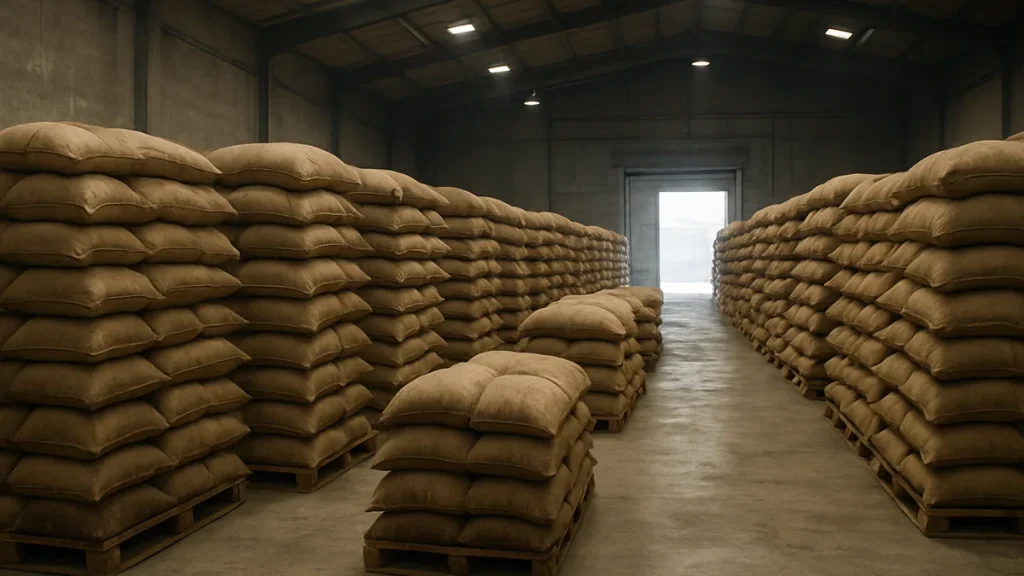
The extra 1,000 metric tonnes will come from the National Reserve Center (NRC) warehouses in Azakhel and will go to functioning flour mills. The aim is to use stockpiled wheat quickly and prevent further losses.
How the additional wheat will be shared across districts
The department said the added quota will be allocated to each district in proportion to the province’s population of 43.84 million. The Director of Food has instructed district food controllers and rationing controllers to put the revised allocation into effect.
Peshawar will receive an additional 116 metric tonnes a day, the largest share. Other districts will receive:
- Mardan: 67 tonnes
- Swabi: 46 tonnes
- Charsadda: 45 tonnes
- Nowshera: 43 tonnes
- Lower Dir: 40 tonnes
- Lower Swat: 39 tonnes
- Abbottabad: 35 tonnes
- Mansehra: 44 tonnes
- Dera Ismail Khan: 45 tonnes
- Bannu: 33 tonnes
- Bajaur: 32 tonnes
- Kohat: 30 tonnes
The remaining quota has been distributed among other districts according to their respective allocations.
Flood damage at Azakhel warehouses prompted the decision
The department acted after a report by the Storage and Enforcement Officer at NRC Azakhel highlighted damage to stored stocks caused by recent flash flooding. According to the report, floodwater entered the warehouses and reached the lower layers of wheat bags.
Six of the centre’s 11 warehouses were damaged, while the other five remained safe. The report recommended releasing stocks immediately to stop further damage, especially given forecast rainfall.
Verification, record-keeping and sale of government flour
Before stocks are lifted, district food controllers and rationing controllers must submit verified lists of operational flour mills to the release committee. The department said this would maintain a clear record of wheat release and distribution.
All records on wheat allocations, transportation and release must also be updated on the ICT application without delay. Flour produced from the additional wheat will be sold to consumers through authorised dealers at officially announced prices, according to relevant officials.
Officials have been told to monitor district allocations, confirm that flour mills are operating and ensure government flour is sold at set prices.