In Tulkarem, in the occupied West Bank, Fawza Awad, a 75-year-old widow, described the living conditions she has endured since her family was displaced from the Tulkarem refugee camp in January 2025. Her family was forced from their homes during an Israeli military operation that targeted refugee camps in the northern West Bank and displaced tens of thousands of Palestinians. She says the family has received no food aid for the past five months.
Her account reflects a wider squeeze on displaced families. The World Food Programme (WFP) announced in September that it would cut the number of food aid recipients in the occupied West Bank by 50 percent, citing “critical funding constraints” linked to reduced money from international donors. Aid groups and residents say the cuts have left many households with no safety net at all.
Displaced families in Tulkarem left without food support
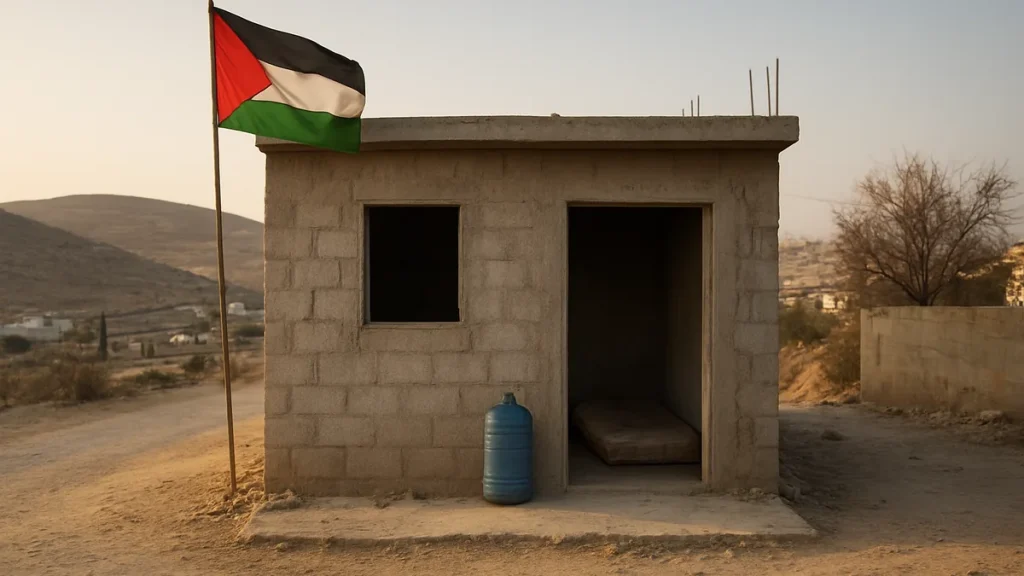
With little money, Fawza and her family found shelter in a small, unfinished house in Tulkarem that belongs to her daughter. She now lives in part of the structure with her son, his wife and their child. Her family once depended on limited financial and food assistance from the WFP, but that support has stopped.
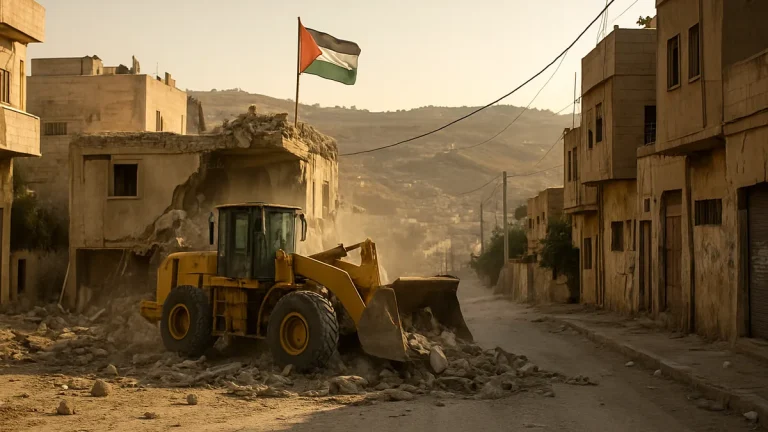
Fawza said there is no prospect of returning to her old home, which she says the Israeli army has completely demolished. The site has been replaced by a wide road, she said, to allow military vehicles to move through. She also said one of her sons has been detained by Israel since 2024, while her other sons, who previously worked inside Israel, are now unemployed.
Fawza said she suffers from asthma and high blood pressure. She needs monthly medication costing at least 200 shekels ($64), which she said no one covers for her. “We used to receive modest food aid barely enough for two or three people, but now that has stopped completely,” she told .
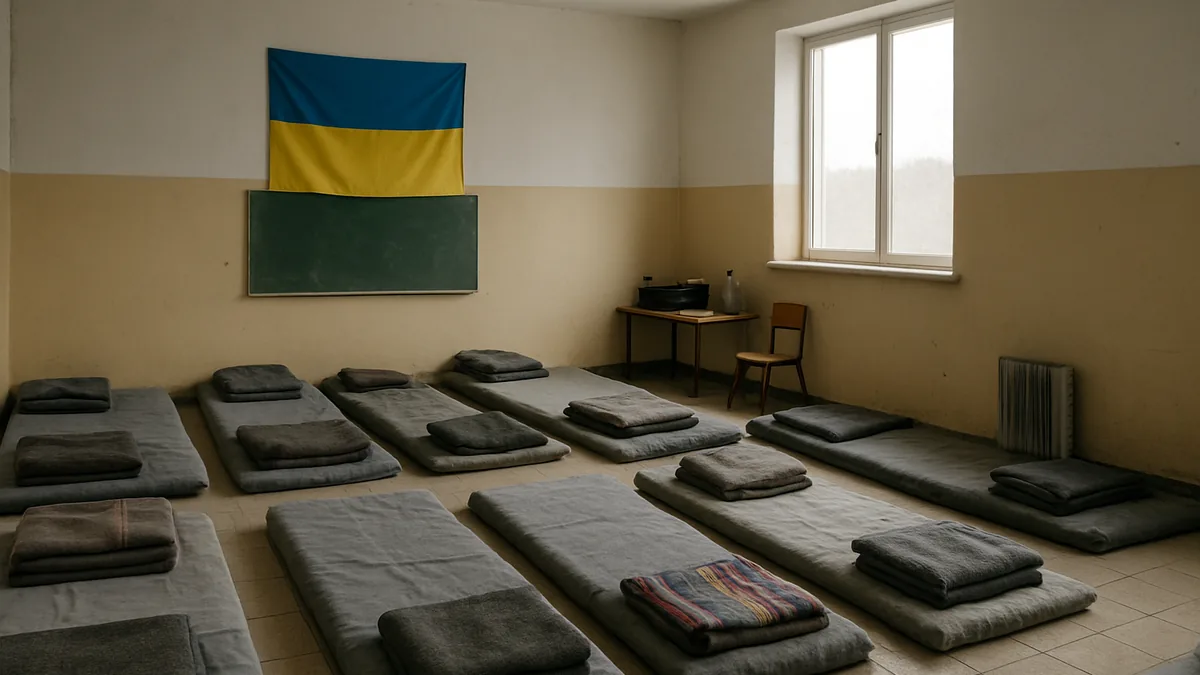
Elsewhere in Tulkarem, more than 1,000 Palestinians displaced from the Tulkarem and Nur Shams refugee camps are sheltering in the al-Muwahhad School building in the Thannabeh suburb. They have nowhere else to go and cannot pay rent. Rabab Qasim, 47, her husband Talib Abu Sarriya, 72, and their three children are among them. They have spent a second consecutive year in a 30-square-metre room on the ground floor of the school, with no income and entirely reliant on aid.
The family has received nothing from the WFP for the past three months, following the food assistance cut. Rabab said she has a herniated disc and needs monthly treatment costing 300 shekels ($96), an amount she cannot afford. She also needs physical therapy she has never been able to access. “All I wish for is to be able to buy a bed,” she said.
Talib said the family is often unable to find bread or a meal and frequently goes to sleep hungry. He once owned a small vegetable stall in the Tulkarem refugee camp, a modest livelihood that gave the family enough to get by.
WFP says it cannot cover all families in need
The WFP has blamed increasing Israeli attacks and forced displacement in the West Bank for destroying livelihoods, deepening hunger and pushing families into more severe crises. Its latest quarterly food security analysis found that 76 percent of Palestinian households in the West Bank had experienced a significant decline in income. The same analysis said 12 percent of the population has poor food consumption, and one-third of households cannot afford a healthy diet. Rural areas and the southern governorates have been hit hardest.
The WFP said earlier that about 900,000 people in the West Bank were suffering from food insecurity. In a statement to , the agency confirmed that some families had stopped receiving aid before the official September announcement. Food needs, by contrast, have more than doubled since 2023, according to the report.
Said al-Amour, 61, of Khirbet al-Rakeez in Masafer Yatta, south of Hebron, said his 14-person family has received no WFP assistance for the past seven months. He said he was shot by a settler in April 2025 while confronting repeated settler attacks on the village. The injury led to the amputation of his leg and a permanent disability. He said he still faces periodic assaults when he encounters settlers.
Al-Amour needs monthly medical treatment costing at least 1,200 shekels ($385), which he cannot afford. He has no income other than a few olive trees, which he says settlers frequently try to seize. “Now, they have cut off the aid I used to receive that helped my family remain steadfast here,” he told .
The WFP said it still helps 200,000 Palestinians in the West Bank through cash transfers, food vouchers, direct food supplies, livelihood programmes and nutrition services, working with partners. It said it does not have the resources to cover all families who need help. The agency said ending aid did not mean a recipient was ineligible, calling it a broad decision affecting all current beneficiaries. It added that some aid could be reinstated, and affected people would be contacted by text message.
Economic crisis and restrictions deepen hunger
Economist and human rights activist Ubai Aboudi told that the West Bank faces a humanitarian crisis worsened by the loss of WFP food aid, alongside a financial crisis affecting the Palestinian Authority (PA). He said Israel has withheld customs revenues it collects on behalf of the PA since May 2025, leaving the authority unable to pay public sector salaries.
Aboudi also pointed to the tens of thousands of Palestinians who had worked in Israel and in settlements in the West Bank, who have been out of work since October 2023, when Israel stopped issuing them work permits. He said Israeli restrictions on Palestinian and international NGOs, including the suspension of registration for 37 international organisations and the closure of some local groups, have further limited humanitarian aid.
“Around half a million Palestinian families need food assistance, while the actual need may be greater,” Aboudi said. “With aid declining from the World Food Programme and other sources, many families are unable to secure food.”