
Villagers in Odisha’s tribal-dominated Koraput district say their signatures and thumb impressions were forged to approve a bauxite mine on forest land they consider sacred. The mine is being developed by Kalinga Alumina Limited, a subsidiary of Adani Enterprises Limited, which is owned by Gautam Adani, described in the report as India’s second richest businessman and close to Prime Minister Narendra Modi.
Government documents claim that all 580 adults in the two affected villages, Balda and Bannur, agreed to give up their land for the project. The villagers say most of those approvals are fake, and the elected village heads have called the meetings where they were supposedly given “invalid”.
Villagers dispute signatures on the consent resolution
Raghunath Khara, a shopkeeper in Balda village, said he was shocked to see his thumb impression on a document declaring he had consented to the proposal. “I always sign in English. It was someone else’s thumb,” he said. He says he never attended the meeting and was protesting outside with his wife, sister and other villagers about 100 metres away.
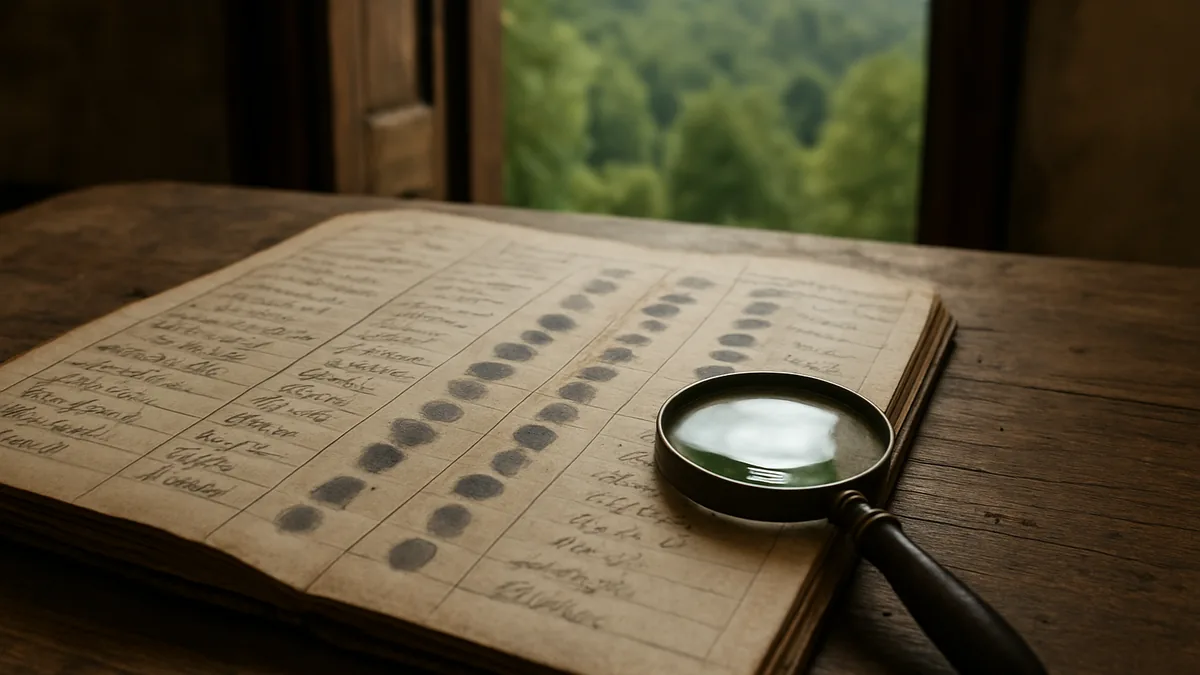
The resolution was allegedly backed by the signatures and thumb impressions of nearly 600 tribal people, collected at village council meetings held on October 9 last year. Under the rules, a resolution is valid only if half of the adults in the village consent in writing. Photographs taken by villagers show that only about 100 people attended, roughly 40 in Balda and 68 in Bannur, well short of that threshold.
Villagers also allege that the documents include the names of people who have died, including a woman who died in February 2025 according to her son. Her son asked how her presence and signature could be forged eight months later. Several other listed signatories, including a man who has been paralysed for years, deny attending the meeting.
In Bannur, at least three deceased people were represented through thumbprints, and their families confirmed the deaths. Nakul Alang, whose mother is listed in the resolution, said she died four years ago and that he had been working at a construction site in Visakhapatnam, about 170km from Koraput, at the time. “I don’t know who put our names and signatures,” he said.
Sunadhar Muduli, a farmer in Bannur, said he recognised his own handwriting on a sheet listing 13 names with thumb impressions beside them. He said none of the villagers had attended the meeting. He told the villagers’ account that a local revenue office contract worker, Ramnath Pungi, had asked him to collect names of residents seeking recognition of their traditional lands and had suggested he sign on their behalf.
Pungi confirmed that he had collected signatures for land settlement documents and said he was paid 3,000 rupees for each village. He said he submitted the signed sheets to the revenue office and did not know they would be used for the mining project. “I am also against mining in our region,” he said.
Rushed process and disputed forest rights claims
Official guidelines call for a village council meeting to be announced two weeks in advance to ensure a quorum. Several residents told the reporters that notices for the October 9 meetings were pasted outside village council offices only on October 8. The notices accessed by the reporters were dated September 22 and 23, 2025.
The project has a longer history of protest. In February 2023, the Odisha government named Adani Enterprises the preferred bidder for the Koraput mine, prompting immediate protests in Balda and Bannur against the clearing of 157 hectares of forest. A state public hearing held on March 6, 2025, saw an overwhelming number of villagers voice opposition. An environmental clearance was nonetheless granted a few months later.
Balda and neighbouring communities had also applied for forest rights over 2,500 hectares in 2025, and most of those claims overlapped with the mining lease area. According to the villagers, authorities settled the claims in January without informing the village councils. Less than one-fifth of the claimed area was recognised, while the entire mining area was excluded.
Villagers say they were normally given time to appeal such decisions, but in this case two appeals committees upheld the decision within three days, before the villagers could submit their appeals. Ajaya Muduli, a member of a three-person team authorised by the affected villages to pursue legal steps, described the land acquisition as “abnormally rushed”. He said, “We have safeguarded this sacred land for centuries and yet were not even consulted.”
The villagers wrote to local authorities after the October 9 meetings, asking for the deliberations to be repeated. Despite this, the disputed resolutions were added to the official file on October 15. The documents were made public on the environment ministry’s website only on February 11 this year.
Company and officials silent as villagers seek probe
More than 50 people from several Koraput villages have issued sworn affidavits saying they did not attend the council meetings and that their signatures or thumb impressions were forged. They have also filed petitions in court and with district authorities, and lodged complaints with the police demanding an investigation into how the land was given for the Adani mine.
The reporters emailed the Adani group and its communications chief on August 18 seeking responses to the allegations of forgery and fraud, and sent a follow-up on September 25. Neither message received a reply. Requests sent to Manoj Satyawan Mahajan, the district magistrate, and Rohit Varma, the superintendent of police for Koraput, also went unanswered.
The reporters said they interviewed more than 20 people and reviewed records from both villages, but could not trace at least 67 people named as signatories. In March, the 10 villages surrounding Balda Hill held meetings to reject the earlier resolutions and reaffirmed their opposition to the proposed bauxite mine.