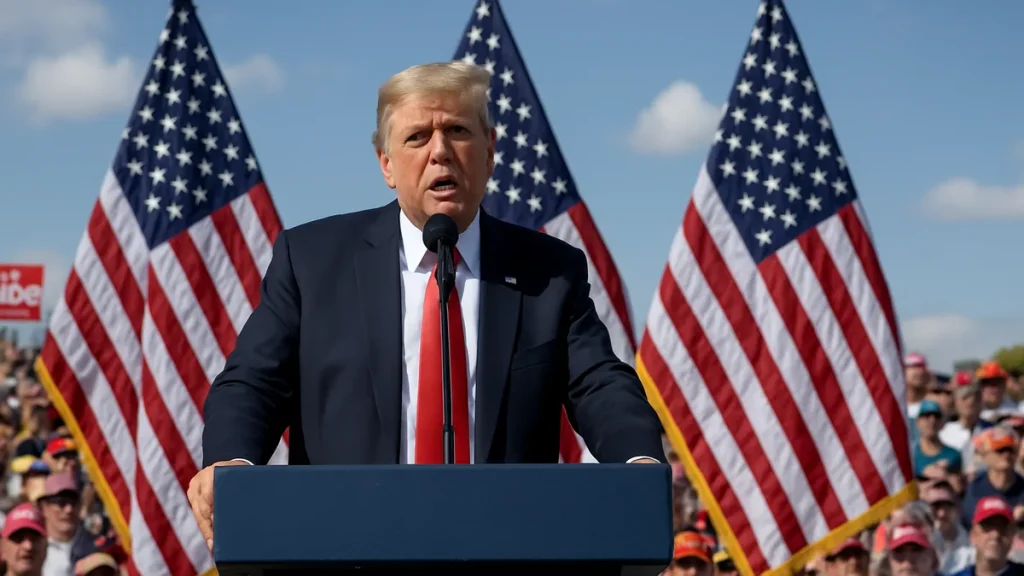
US President Donald Trump indicated on Friday that the United States might conduct another military operation against Iran, raising concerns about renewed conflict as diplomatic efforts to resolve the war remain stalled. Speaking at a campaign rally in Fort Myers, Florida, Trump referenced the US military’s previous campaign against Iran by saying, “We may do another little Epic Fury.” He did not specify when or where such an operation might take place.
The remarks come as the war approaches its eighth month, with global energy markets disrupted and fuel prices rising, adding political pressure on Trump ahead of the November 3 midterm elections. Earlier on the same day, Trump suggested the US had the capability to end the war quickly but questioned whether it should seek an immediate conclusion or allow the conflict to wind down gradually.
Trump’s comments on war timing and objectives
Trump’s statement followed his assertion the previous day that the war could end “very soon,” while emphasizing the importance of ensuring any settlement would be lasting. Throughout the conflict, Trump has offered varying timelines for its resolution but has consistently maintained that Iran must not be allowed to develop a nuclear weapon.
Also read: Iran war shapes US midterm vote as fuel and grocery costs rise
Despite these statements, Trump had earlier said the US would not launch an attack on Iran before the midterm elections. His latest comments, however, suggest the possibility of renewed military action remains on the table.
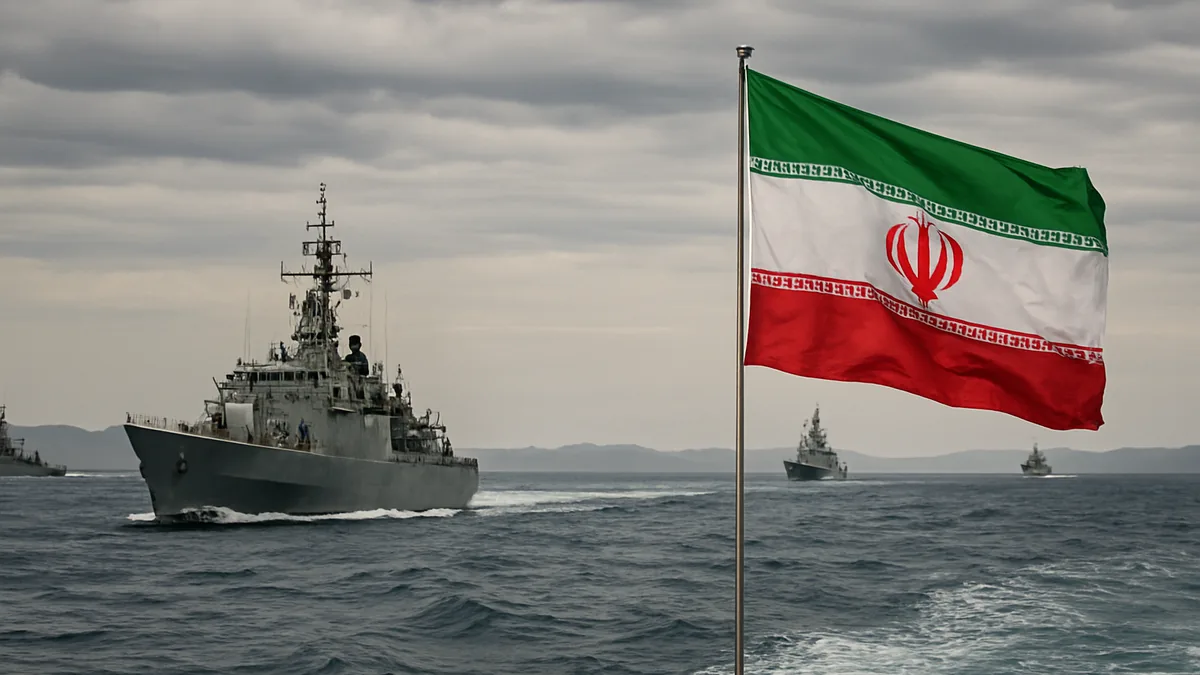
Iran’s response and regional tensions
In response to the threat of further US-Israeli strikes, Iranian officials have escalated warnings about potential retaliation. Two senior Iranian security officials told Reuters that Iran has prepared detailed plans to target undersea communications cables in the Gulf if new attacks occur. Iranian authorities have also cautioned that additional strikes could provoke a broader response against US-linked military and other infrastructure throughout the region.
Tensions have been particularly high near the Strait of Hormuz, a strategic waterway through which about one-fifth of the world’s petroleum liquids passed before the conflict. Iranian forces have targeted or intercepted vessels in the area, while the US has sought to escort shipping safely through the strait. Disruptions here have been among the most significant consequences of the war for global energy markets.
Conflict origins and stalled diplomatic efforts
The conflict began on February 28 when the United States and Israel launched a large-scale military campaign against Iran, named “Epic Fury,” targeting Iranian military leadership, missile capabilities, command structures, and nuclear facilities. Despite six months of fighting, Iran has not conceded to Washington’s main demands.
Iran has responded with missile and drone attacks against Israel and Gulf states hosting US forces, broadening the conflict. Fighting has also spread to Lebanon, and the disruption of shipping through the Strait of Hormuz has driven oil and gas prices higher, affecting economies far beyond the Middle East.
International condemnation and calls for restraint followed the initial escalation. Pakistan emerged as a key mediator, presenting a two-stage ceasefire framework in April that called first for an immediate halt to hostilities and then negotiations on broader issues including the nuclear dispute, sanctions, and navigation through Hormuz.
This framework led to the Islamabad Memorandum of Understanding in June, electronically signed by Trump and Iranian President Masoud Pezeshkian, with Pakistani Prime Minister Shehbaz Sharif acting as mediator. The agreement aimed for Iran to reopen the Strait of Hormuz while the US moved toward lifting its naval blockade. Regional countries such as Qatar, Saudi Arabia, Turkiye, and Egypt were involved in the wider diplomatic effort.
Breakdown of ceasefire and ongoing mediation
By July, the ceasefire memorandum began to unravel as Washington and Tehran accused each other of violations and disagreed on how to implement the broadly worded commitments. Pakistan has continued efforts to revive negotiations, with senior civilian and military officials maintaining contact with both sides.
Chief of Defence Forces Field Marshal Asim Munir has made several visits to Iran as part of Islamabad’s mediation, most recently focusing on attempts to restart talks. Iran has insisted that Washington meet a series of conditions before substantive negotiations can resume, including demands related to sanctions, Iranian ports, oil exports, and regional hostilities.
During Munir’s latest visit, Iran reiterated its conditions for returning to talks with the US, leaving the parties divided not only on settlement terms but also on which side should make the first move. Despite ongoing military confrontations, diplomatic efforts continue. At talks in Istanbul this week, Pakistan and its R4 partners called for a diplomatic resolution and supported renewed efforts to prevent further escalation.
After nearly eight months of conflict, neither military action nor diplomatic initiatives have achieved a lasting settlement, leaving Trump’s warning of “another little Epic Fury” looming over an already fragile peace process.