
NATO is deploying extra patrol aircraft and intelligence personnel to the Black Sea, a spokesman for the alliance said, following a series of deadly drone attacks in the region. The strikes are widely blamed on Russia, a claim the Kremlin denies.
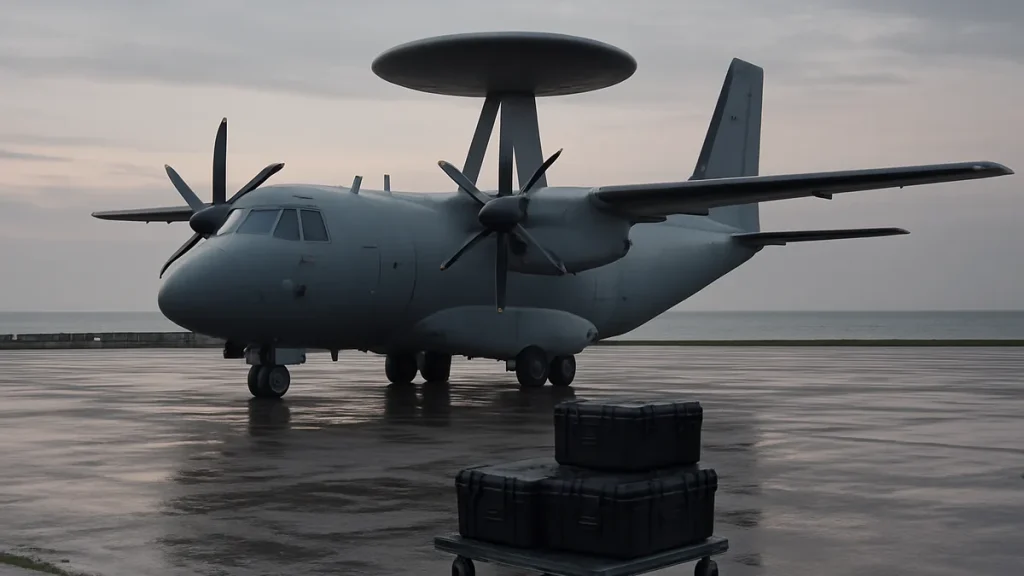
Colonel Martin O’Donnell said on Tuesday that allies had sent, or would send, a range of equipment and staff to the area. NATO, Bulgaria and Romania have not directly blamed any country for the attacks, though military analysts have said Russia almost certainly carried them out. Moscow has not accepted responsibility.
Allies to add aircraft, radar and surveillance assets
O’Donnell listed the contributions as follows:
- Maritime patrol aircraft
- Radar systems
- Explosive exploitation teams
- Intelligence personnel and drones
He said the most important step was improving situational awareness through more sensors and data sharing. The announcement followed a discussion of Black Sea security by the North Atlantic Council, NATO’s main decision-making body, at its Brussels headquarters. Spokeswoman Allison Hart said earlier on X that the alliance had already strengthened its eastern flank, including with counter-drone capabilities.
Ship fires and missing sailors near Romania and Bulgaria
Romania reported two people dead on October 5 after a ship caught fire and sank in Black Sea waters. Ukraine’s President Volodymyr Zelenskyy accused Moscow of being responsible. Last week, seven sailors were reported missing after drones struck two chemical tankers off Romania’s Black Sea coast, setting them ablaze.
At least five other cargo vessels were hit near the coasts of Romania and neighbouring Bulgaria over the previous 10 days. At least 23 sailors were reported missing or dead.
Kallas warns of escalation and threat to food supplies
The EU’s top diplomat, Kaja Kallas, said on Tuesday that “six attacks in 10 days by suspected Russian drones marks a dangerous and unacceptable escalation”. She added that the Kremlin likely sought to choke off Kyiv’s revenue from grain exports.
Kallas warned that the strikes were adding to a “perfect storm” facing global food supplies, which were already being battered by droughts in multiple regions and the war in the Middle East.