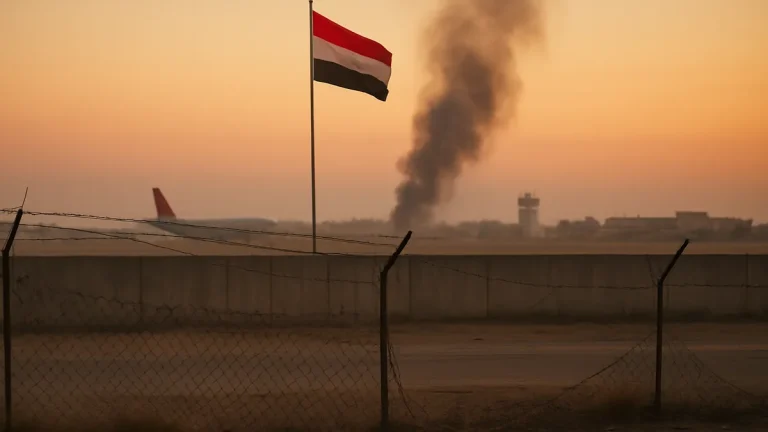

In a significant development, the United States is hosting historic talks between Lebanon and Israel, aiming to foster a comprehensive peace agreement. These negotiations represent a rare diplomatic engagement between the two countries, which have experienced decades of conflict and tension. The discussions are expected to address longstanding issues including border disputes and security concerns. This initiative reflects the US’s ongoing commitment to stabilizing the Middle East through diplomatic means.
Lebanon and Israel have had a fraught relationship marked by intermittent hostilities and unresolved territorial disagreements, particularly over maritime boundaries and resource rights. The current talks could pave the way for improved bilateral relations and regional stability if successful. Experts note that a peace deal would not only benefit the two nations but could also influence broader geopolitical dynamics in the Middle East. The involvement of the US underscores its strategic interest in promoting peace and security in this volatile region.
Meanwhile, the international community is closely monitoring the negotiations, hopeful that they will lead to a durable resolution. A comprehensive peace agreement could open avenues for economic cooperation, energy exploration, and enhanced security frameworks. However, challenges remain, including political complexities within both Lebanon and Israel and external influences. The outcome of these talks could set a precedent for future conflict resolution efforts in the region.