
France and the United Kingdom are both moving military assets into Saudi Arabia, widening their defence ties with the kingdom as its conflict with the Houthis in Yemen intensifies. The Houthis, an armed group also known as Ansar Allah, a name that means Supporters of God in Arabic, have been attacking Saudi targets for some time.
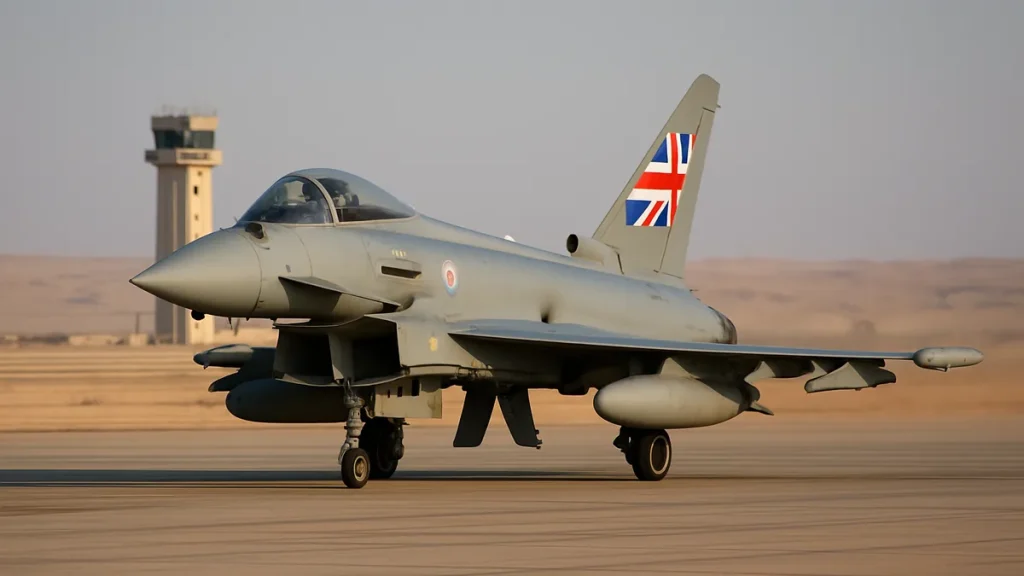
Paris said last week that it had begun sending assets to Saudi Arabia under a deal announced earlier. President Emmanuel Macron had committed troops and air defence systems to help protect the Red Sea port city of Yanbu, which the Iran-backed Houthis have attacked. On Tuesday, the UK announced plans to deploy fighter jets to help shield Saudi Arabia from Houthi strikes. Both governments stressed that their support would be defensive.
Houthi missile and drone campaign against Saudi Arabia
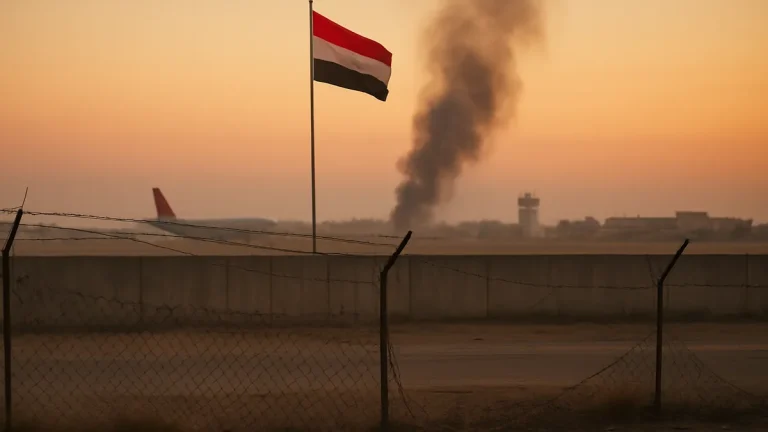
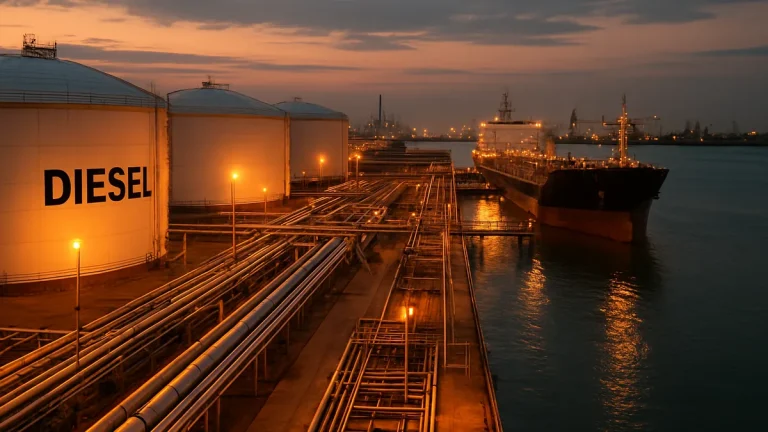
The British and French measures come as Saudi Arabia faces a sustained campaign of Houthi missile and drone attacks, which have included strikes on energy and transport infrastructure. Houthi attacks on Saudi airports in Riyadh and Abha this month have killed 19 people and wounded more than 300 others, according to Turki al-Maliki, spokesman for the Saudi-led coalition.
Also read: UK to deploy Typhoon jets to defend Saudi Arabia from Houthis · Saudi Arabia says it intercepted Houthi missile aimed at Riyadh
UK Defence Secretary Wes Streeting described the recent Houthi attacks in Saudi Arabia as “absolutely despicable”. He singled out the group’s targeting of Riyadh airport for particular condemnation.
What the UK and France are sending
The UK Ministry of Defence said it would deploy Typhoon fighter jets to fly “defensive counter air missions” in Saudi Arabia. Britain also plans to send military advisers to work with Saudi staff officers, and to provide an A400M transport aircraft to move defence material within the kingdom.
- Typhoon fighter jets for “defensive counter air missions”
- UK military advisers working alongside Saudi staff officers
- An A400M transport aircraft to move defence material inside the kingdom
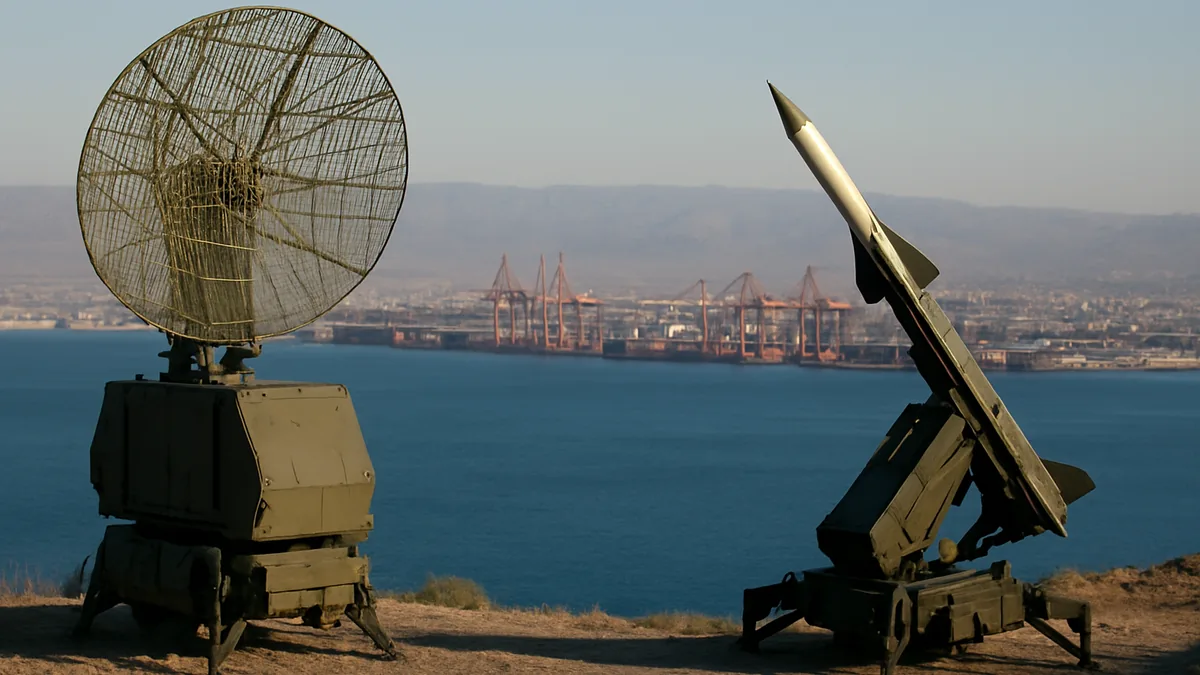
Macron has said French support would include soldiers, radars and defence systems, without giving details on the scale of the contribution.
Urban Coningham, a research fellow at RUSI, said the two countries’ roles differ. He said France is mainly limited to protecting Saudi export infrastructure. Britain, by contrast, will carry out “defensive patrols where they would shoot down incoming missiles or drones” and provide air-to-air refuelling for Saudi bombers and jets heading into Yemeni airspace.
Camille Lons, a policy fellow and deputy head of the Paris office at the European Council on Foreign Relations, said France’s capacity to help is restricted, particularly because European defences are under pressure from the war in Ukraine. She said Paris nonetheless sees its help as a way to “show support [for Saudi Arabia] in times of crisis” and to deepen the defence partnership.
Saudi Arabia is expected to welcome the European deployments, as it has struggled to turn some of its security partnerships into high-level military backing. In September, US President Donald Trump turned down several Saudi requests to join strikes on the Houthis, agreeing only to provide intelligence and targeting support, according to informed sources cited by a news agency.
Other regional partners have also been drawn in. Turkiye and Pakistan have committed to “collective deterrence measures”, including potential troop deployments, under the newly signed Mecca defence pact with Saudi Arabia, although the pact has yet to be ratified in Turkiye. Egypt‘s parliament has postponed a vote that would authorise its armed forces to support Saudi Arabia.
Analysts weigh deterrence against the risk of wider war
Analysts say the European moves serve several geopolitical aims. They include protecting Saudi oil exports that matter to European energy markets, reinforcing a strategic alliance in the Gulf at a time of US reluctance to offer direct military help, and deterring future Houthi attacks.
The deployments also carry serious risks, many analysts say, as they could pull the two European states more directly into the long-running Saudi-Houthi conflict. Burcu Ozcelik, a senior research fellow for Middle East Security at RUSI, warned in an interview that the Houthis could test Saudi defences if deterrence fails, and try to draw Saudi Arabia’s allies further into the confrontation.
Nawaf Obaid, a senior fellow at King’s College War Studies Department, called the British and French deployments “militarily valuable and politically significant”. He said they could help protect the kingdom’s vast territory from persistent air attacks and let Riyadh focus its own aircraft on offensive operations. He added that Saudi Arabia does not need foreign help to carry out air strikes, and that its real need is broader defensive cover for critical energy infrastructure.
Ozcelik called the British move “not insignificant”, but said its deterrent effect was not yet clear. She questioned whether the UK’s air missions would meaningfully deter sustained Houthi attacks while Saudi air defences and interceptor stocks are stretched.
Possible flashpoints if the Houthis see Europe as a combatant
Whether the UK and France can keep a strictly defensive posture remains unclear, and it is also uncertain whether the Houthis will recognise that distinction. Coningham said the group could view European involvement, particularly Britain’s air-to-air support for Saudi bombers and jets, as offensive. That could lead the Houthis to treat those countries as belligerents and their forces as targets.
Coningham said the Houthis could strike British forces stationed in the region, whether in Saudi Arabia or elsewhere, such as Cyprus. They could also reverse their stance on allowing free transit to non-Saudi vessels, including European ships, through the Bab al-Mandeb strait, a key maritime route.
Analysts also pointed to a Houthi attack in Saudi Arabia that killed British or French personnel as another potential flashpoint. Coningham said that whether such a death resulted from a deliberate attack or collateral damage, it would prompt a sharp debate in those countries about whether to retaliate.
Ozcelik said the UK could face pressure to take a more offensive role after a “mass civilian casualty event” caused by the Houthis, or “debilitating attacks on Saudi’s energy infrastructure”. London would likely regard such a step as a “last resort”, she said. “Neither the Mecca signatories nor the UK are inclined to get dragged into deeper and likely protracted conflict inside Yemen,” Ozcelik said.