Senior officials from Pakistan, Saudi Arabia and Turkiye will visit Tehran for talks on regional security, an Iranian official said on Monday. The official did not say when the meeting would take place.
Ali Bagheri Kani, deputy secretary of Iran’s Supreme National Security Council, said Saudi Defence Minister Khalid bin Salman and Turkish intelligence chief Ibrahim Kalin would take part. Iran’s security chief, Mohsen Rezaei, will also attend. In an interview with state television, Kani described the gathering as a four-party meeting that could be an important step toward lasting regional security, though he gave no further details.
Two people with knowledge of the matter told a news agency that officials from Islamabad, Riyadh and Ankara would meet Iranian officials in Tehran on Monday to discuss regional coordination.
Terms of the Makkah Joint Defence Agreement
Pakistan, Saudi Arabia and Turkiye are bound by a trilateral defence agreement under which an armed attack on one member counts as an attack on all three. The pact, named the Makkah Joint Defence Agreement, was signed in August.
Its first article says the parties shall use “all necessary means” to eliminate threats to one another’s territorial integrity, sovereignty or internationally recognised borders, according to a text seen by a news agency.
Regional war, Hormuz shipping and stalled talks
The agreement came amid a regional conflict that began in February, when the United States and Israel launched surprise strikes on Iran during ongoing nuclear negotiations with Washington. An April ceasefire, brokered by Pakistan, ended the initial phase of intense bombardment.
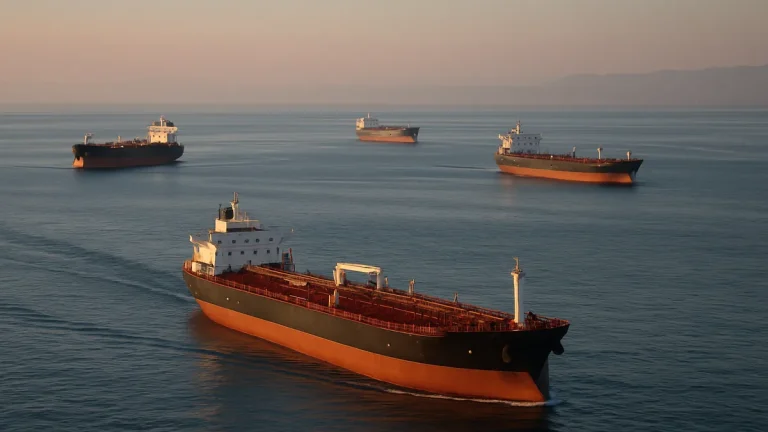
The two sides continue to contest control of the Strait of Hormuz, through which around a fifth of the world’s oil and liquefied natural gas used to travel. Iran has claimed control of the waterway and has regularly targeted vessels that cross without its authorisation, while the United States has imposed a naval counter-blockade on Iranian ports.
Diplomatic efforts with Washington remain stalled, particularly since the collapse of a June deal that had laid out a path toward a permanent settlement. The war has also spread across the region, with fighting between Saudi Arabia and Houthis in Yemen.