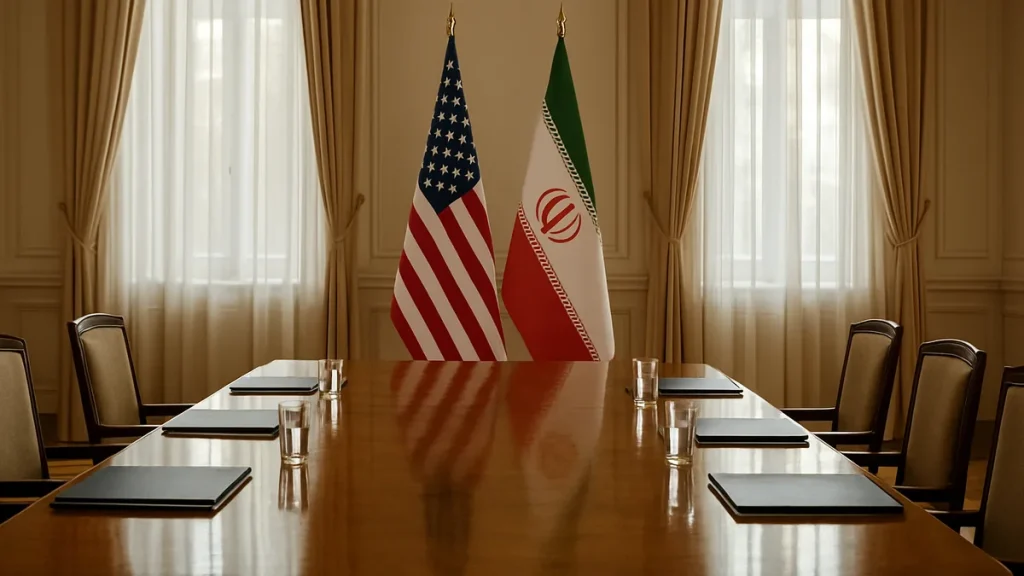
Qatari mediators were in Tehran on Sunday as part of an effort to lower regional tensions, carried out in coordination with the United States, according to an official briefed on the situation. The diplomatic activity came as President Donald Trump raised the possibility of renewed military strikes against Iran. He said Washington could launch another operation under the name “Epic Fury,” the name of the military campaign.
“We may do another little Epic Fury,” Trump told a campaign rally in Fort Myers, Florida, ahead of next week’s midterm elections. He gave no details on the timing, scale or possible targets of any further action. Diplomatic efforts to end the war have stalled as the conflict nears its eighth month, and rising fuel prices have added to political pressure on him. The conflict has disrupted global energy markets and pushed up fuel costs in the US. Trump had earlier said the US would not attack Iran before the midterm elections.
Pezeshkian blames Washington for failed interim deal
Iranian President Masoud Pezeshkian said on Saturday that the United States was responsible for the collapse of talks on an interim agreement. He nonetheless argued that efforts to reach a deal should continue. “We were having negotiations, the cowards (Americans) messed everything up… I still think we should go and conclude it,” he said.
Also read: Iran blames US for deal failure, urges renewed talks · Iran says war resumption would not change its stances
Tehran vows to keep US warships out of the Gulf
On the same day, Iran said US military vessels would never be permitted to enter the Persian Gulf, as threats of renewed attacks by the United States and Israel grew. Armed forces chief of staff Ali Abdollahi said Tehran would not allow American naval ships into the Gulf under any circumstances, according to Iranian state television. “We will not allow US military ships in the Persian Gulf under any circumstances and at any time,” Abdollahi said. He added that the US president should not expect to see Iranian forces enter the Gulf, saying he would “take that dream to his grave.”
The comments followed a warning from US Ambassador to Türkiye Tom Barrack, who said Washington could “absolutely” strike Iran as soon as the weekend.
Strait of Hormuz restrictions and US counterblockade
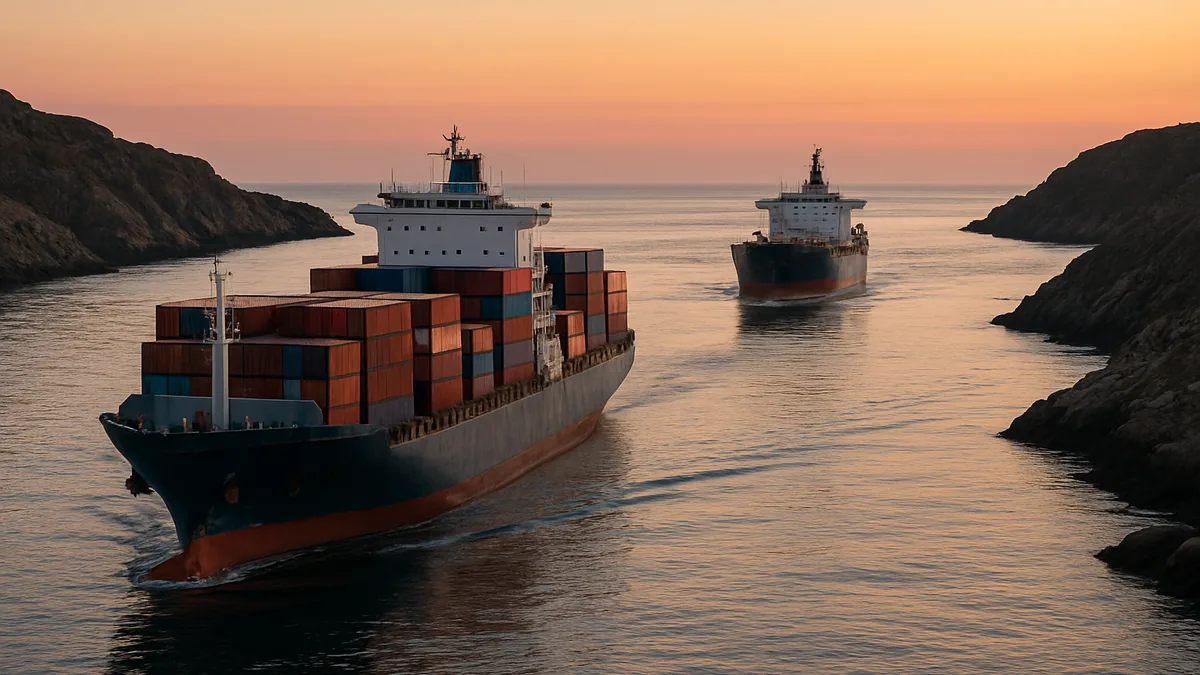
Iranian forces have restricted traffic through the Strait of Hormuz, a key route for global energy supplies and the main gateway to the Gulf, since hostilities with Washington began on February 28. In response, the United States imposed a counterblockade on Iranian ports and ships. Tehran has required vessels to seek permission before transiting the strait and has repeatedly attacked ships trying to pass along a southern route near the Omani coast.
In a statement issued through its Sepah News website, Iran’s Revolutionary Guards said the engine rooms of targeted vessels had been disabled by an explosion and a fierce fire.