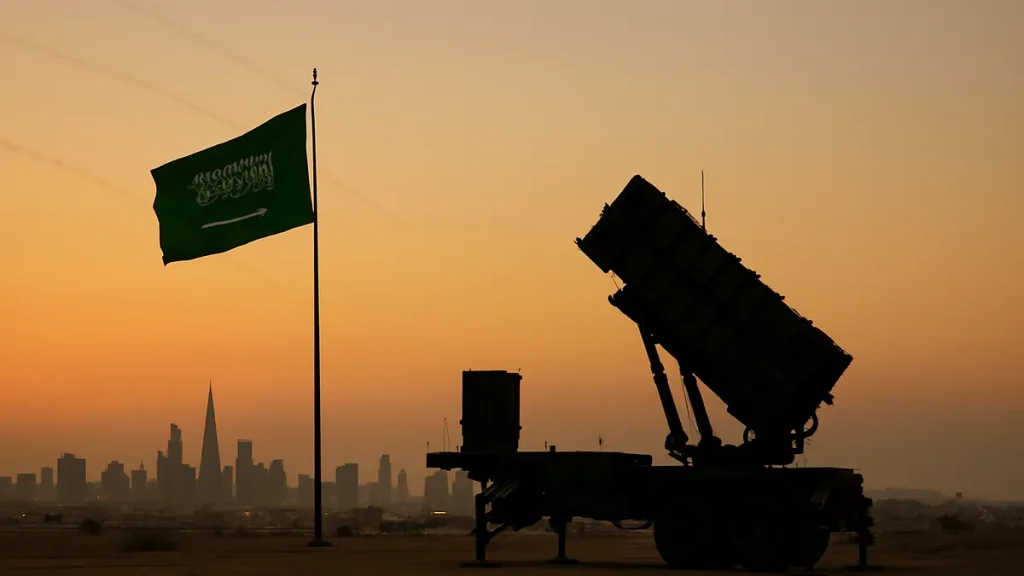
The Saudi-led coalition said it shot down a volley of projectiles launched from Yemen that targeted several cities across the kingdom. Saudi Civil Defence said debris from two intercepted ballistic missiles, which were suspected of being fired by Yemen’s Houthi rebels, fell in Jeddah, Taif, Rabigh and Wadi Al-Mughammas in Mecca province.
The barrage began on Saturday evening. A drone and a ballistic missile were also intercepted over the Saudi capital, Riyadh. By midday Sunday, coalition forces had downed a cruise missile aimed at Khamis Mushait, while warning sirens sounded in Taif and Jazan. In total, 10 ballistic missiles directed at the southern region were intercepted.
Gulf body condemns interceptions over Mecca
Gulf Cooperation Council Secretary-General Jasem Mohamed AlBudaiwi said the strikes amounted to “a grave violation of the sanctity of the Holy Sites and a provocation to the sentiments of Muslims worldwide”. He was referring to the interceptions in Mecca, home of the Kaaba and Masjid al-Haram. The Houthis, a Zaydi Shia group, have denied targeting Muslim holy sites in Saudi Arabia.
Also read: Yemen's Taiz faces deepening crisis under Houthi siege, UN says · Saudi Arabia intercepts drones and missiles amid Houthi fighting
The kingdom has come under repeated Houthi missile and drone attacks in recent weeks, aimed at both civilian and military infrastructure.
Riyadh airport flights shifted amid Houthi warnings
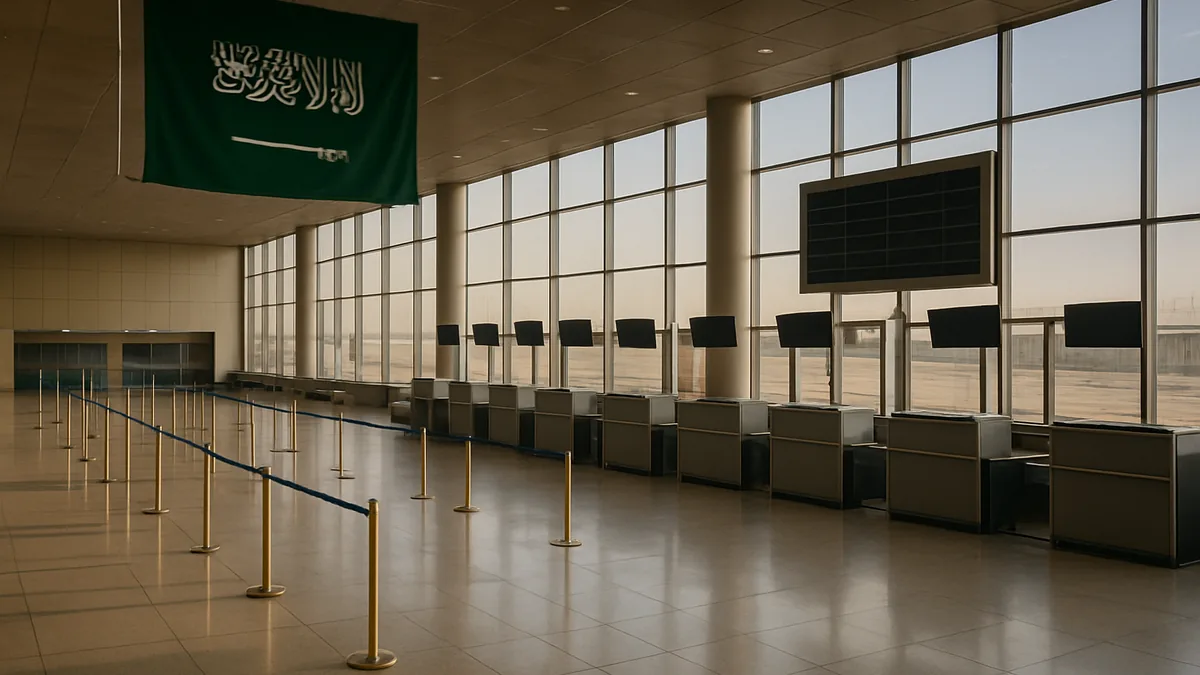
Riyadh announced late Saturday that international flights from King Khalid International Airport would resume on Sunday from Terminal 2, while Terminal 1 would handle domestic flights. The move follows a suspension of flights at the Riyadh airport after a series of Houthi strikes, including one on October 10 that killed 13 people and wounded hundreds.
Early Sunday, Houthi military spokesman Yahya Saree urged civilians to stay away from the Saudi capital’s airport. “King Khalid International Airport in Riyadh is not safe because it is a military target, and we renew our warning to airlines, employees, and travelers,” Saree said. He also announced seven operations against Saudi oil facilities and military bases.
Yemen fighting intensifies as Taiz faces crisis
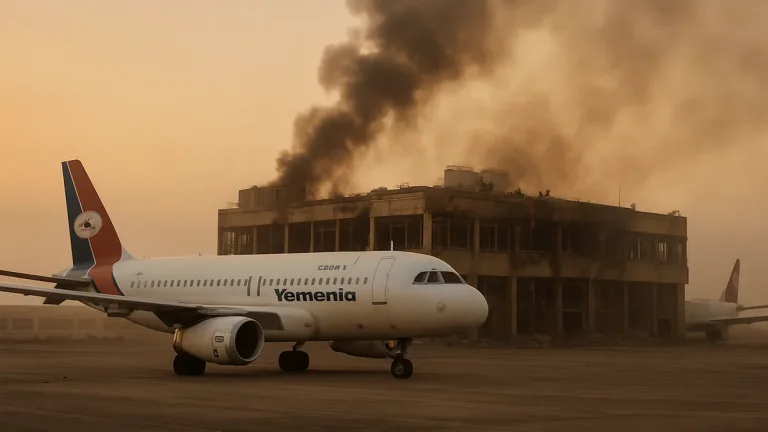
Yemen has been at war since Houthi forces captured the capital Sanaa in September 2014, forcing the government to flee south. After a brief ceasefire, fighting escalated when government forces attacked Sanaa International Airport to prevent a Houthi delegation arriving from Tehran. The Houthis later launched a surprise offensive in September, capturing Yemen’s western coast, including the city of Mocha.
Forces aligned with the internationally recognised government launched “Operation Dawn of Yemen” on October 5, aiming to retake territory lost to the Houthis. On Sunday, Yemen’s armed forces said they had carried out 736 strikes on Houthi positions over the previous 24 hours, leaving 307 people “neutralised” and destroying 68 military vehicles.
Amid the escalation, the Rasd Organization for Rights and Freedoms warned of a dire humanitarian situation in Taiz, which has been under Houthi siege. The group said about 1,110 kidney failure patients face the risk of a shortage of dialysis supplies, with roughly 120 sessions needed daily. It also cited 192 patients in intensive care units and 154 children in incubators, attributing the crisis to the siege imposed since October 4.