Europe is entering winter with historically low gas reserves and has little room to absorb further supply shocks, Fatih Birol, head of the International Energy Agency (IEA), has warned. His remarks came as the US-Israel war on Iran continues to disrupt global supply chains.
Speaking on the sidelines of an international conference in Berlin on Wednesday, Birol said every region is feeling energy disruptions linked to the Strait of Hormuz. Europe, he said, is especially exposed and will likely face higher costs for liquefied natural gas (LNG) in the coming months, even if peace returns to the Gulf today. “The best day for a ceasefire would have been yesterday,” said Birol, an energy economist whose agency advises wealthy member nations and coordinates emergency responses.
Low gas storage ahead of a harsh winter
Birol said European countries normally build up large gas stocks before winter, but current levels are far below historical averages. He added that European buyers are competing with Asian countries, which depend even more heavily on the Middle East for their supplies.
Also read: Oil majors face spending test as Iran war profits climb
“I think if we have a harsh winter, we may see higher prices of natural gas in Europe,” Birol said. He also pointed to the growing political dimension of energy, which he said adds to the uncertainty facing governments. “Life will not be easy for Europe this year and also next year.”
European nations have long relied on imported gas to generate electricity for industry and to heat homes through cold winters. Nearly a tenth of the continent’s LNG passed through the Strait of Hormuz before the war, but Iranian attacks on vessels have sharply reduced those imports.
As the cold season sets in, the European Union’s natural gas storage is only 72 percent full, compared with the usual 90 percent. Analysts say the shortfall equals the energy needed to power 10 to 12 million homes. According to news reports, EU energy ministers are now weighing whether to ask households and businesses to cut back their consumption.
Emergency stocks and looming diesel shortages
Birol said he had thought for a long time about the dangers of depending on the Strait of Hormuz. He said his standard question to people seeking jobs at the agency was often what they would do if the strait shut down today. The alternative Bab al-Mandeb strait has also seen flare-ups, he added, which have made matters worse.
“I am really disappointed that governments didn’t take the necessary measures,” Birol said in his usual measured tone. He noted that Middle Eastern countries are now building and expanding pipelines that bypass the Strait of Hormuz, but argued that such efforts should have started much earlier.
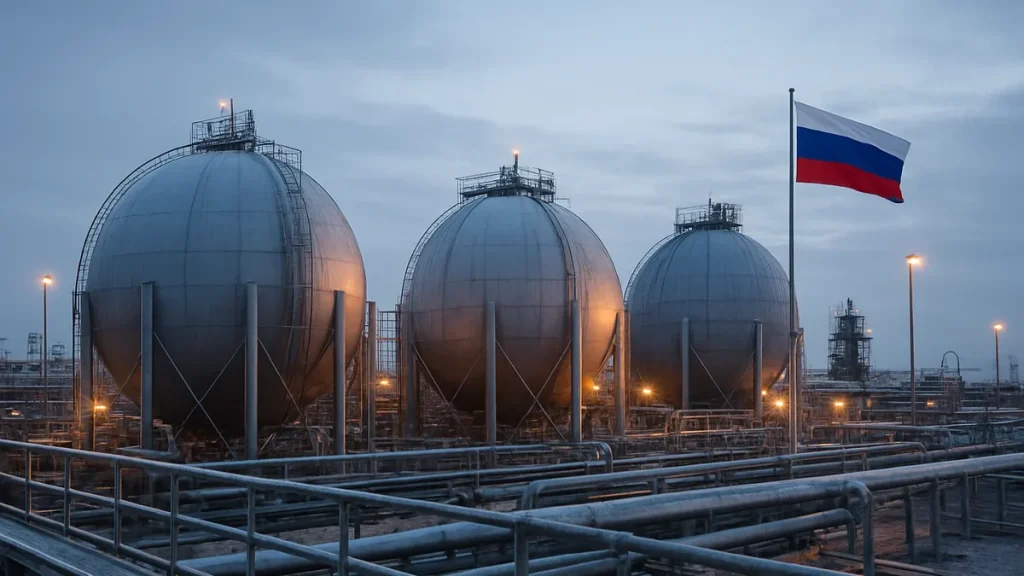
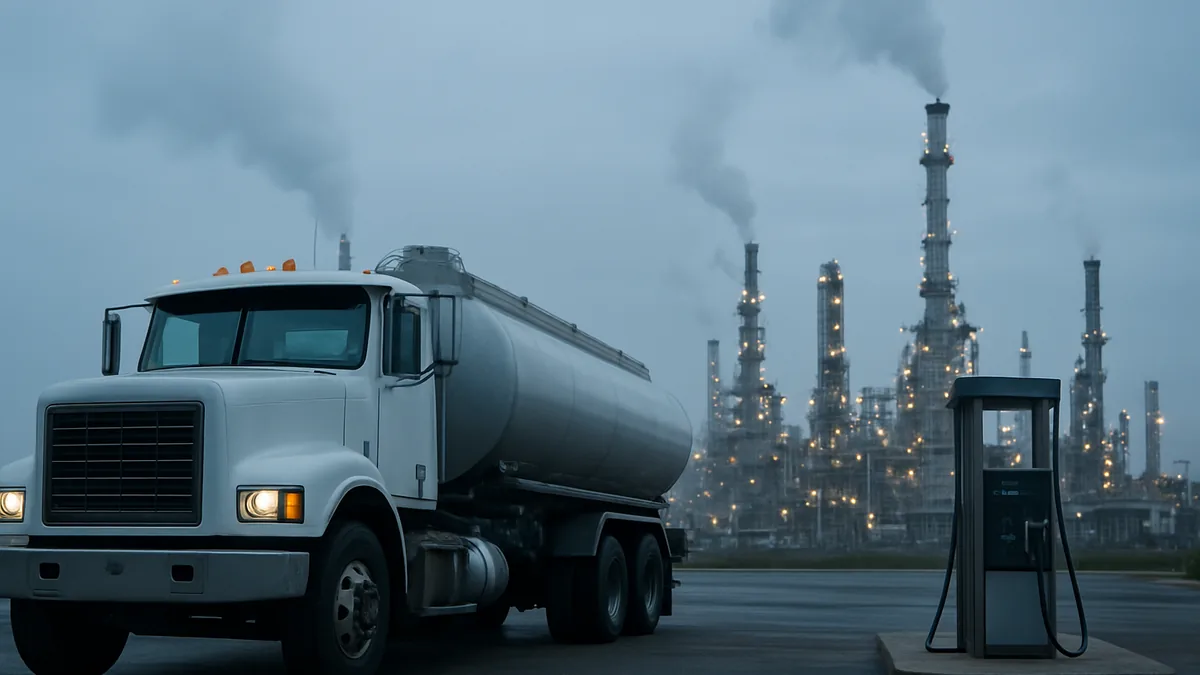
The EU also faces shortages of imported refined products, including the diesel that keeps the bloc’s trucking, farming and industrial sectors running. Its ageing refineries have processed less crude in recent years. Birol said Ukraine’s attacks on Russian refineries are also behind the looming diesel scarcity, and that about a third of Russian deliveries have stopped.
In March, the Group of Seven (G7) nations agreed to release 400 million barrels of crude and diesel from their strategic reserves. Birol coordinated how those emergency stocks reached global markets, the third time he has overseen such releases since Russia invaded Ukraine in 2022. He argued that the measures had a real impact, pointing to a $20 drop in soaring oil prices immediately after the G7 agreement earlier this month.
Prices have since risen again. Gas has surged 140 percent since February, and Brent crude is trading well above $100. Industry experts say emergency reserves have limited value once they hit the market, with some estimating they will cover only a few months.
Geopolitics reshaping energy and European politics
Birol said his agency had warned for years that the bloc was too dependent on Russian fuel, and that it had moved away from nuclear-generated power too early. Nuclear power, he said, gave countries domestic leverage. Those warnings proved accurate after Russia invaded Ukraine and Moscow cut gas supplies in retaliation for sanctions.
The EU plans to phase out Russian gas permanently, but amid the Gulf crisis, members such as France have again increased their orders. Birol said Russia has used gas as a weapon, and that populist parties from France to Germany are tapping into growing public anger to portray mainstream governments as incompetent.
“I have never ever seen the dark and long shadow of geopolitics so dominant in the energy sector,” Birol said. “Energy is not currently considered a business but a political leverage. As an energy man, this worries me.” He said that whatever happens now, the war will be felt for months and has permanently changed how energy moves around the world.
The EU still holds about 80 percent of its emergency stocks, and Birol said he hopes he will not have to oversee a fourth release. However, he warned that the global supply system cannot take more shocks. “I really hope that both of the straits will be unconditionally opened sometime soon; otherwise, in the energy world, we don’t have much more buffer zones to still keep the prices at a certain level (as) we have today,” he concluded.