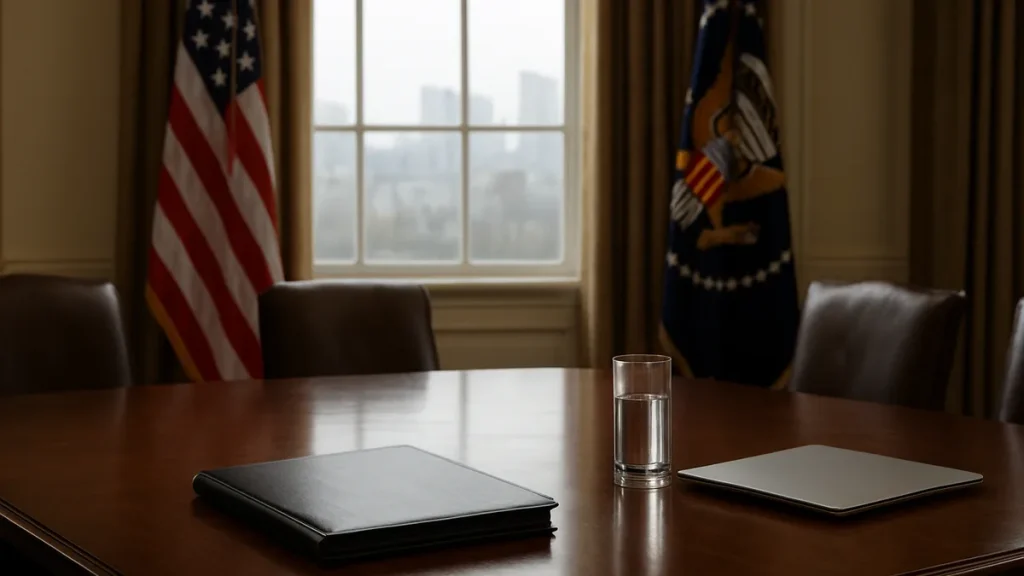

United States President Donald Trump has stepped up pressure on Ukraine to strike a deal that would end its war with Russia, even as tensions with Ukrainian leader Volodymyr Zelenskyy rise. Speaking at the White House on Tuesday, Trump again placed the blame on the Ukrainian president for holding up efforts to reach a settlement.
Trump said Zelenskyy “has to want to settle this war”, warning that the outcome would be “a very bad thing” if he did not. He made the remark while describing Russia as having an “unlimited” supply of people to send to the front. Moments later, he pointed back to a tense Oval Office meeting with Zelenskyy in February 2025, shortly after Trump returned to power.
Trump said Zelenskyy could have secured a “better deal” at that meeting. He told reporters that the Ukrainian leader would have to commit to a deal because, in Trump’s view, Ukrainians would not tolerate the fighting much longer.
Also read: Trump defends Russia sanctions relief amid Zelenskyy row · Trump eases Russia sanctions as Europe keeps buying Russian gas
Zelenskyy’s Oslo talks and a proposed three-way meeting
On the same day, Zelenskyy met US special envoy Steve Witkoff and European leaders in Oslo, Norway, to discuss how to bring Russia’s war to an end. After the talks, he posted on social media that Ukraine has “some clear ideas on how to get to peace”, although he did not give details.
Zelenskyy said Ukraine was working alongside its European partners and wanted the United States to carry those proposals to Moscow. One of the key ideas, he wrote, was to move toward a possible trilateral meeting of the leaders to deal with matters only they could resolve. He added that Witkoff would travel to Russia on Wednesday, where peace discussions are expected to continue. “Let’s see what Putin has to say,” Zelenskyy said.
Asked whether Russian President Vladimir Putin should sit down with Zelenskyy, Trump described the hostility between the two men as “tremendous”. “It’s hard for them to be in the same room,” he said. “I don’t care how it’s done.”
Trump’s comments came as the White House continued to apply pressure on Ukraine to reach an agreement with Moscow.
Starshield slowdowns and a dispute over responsibility
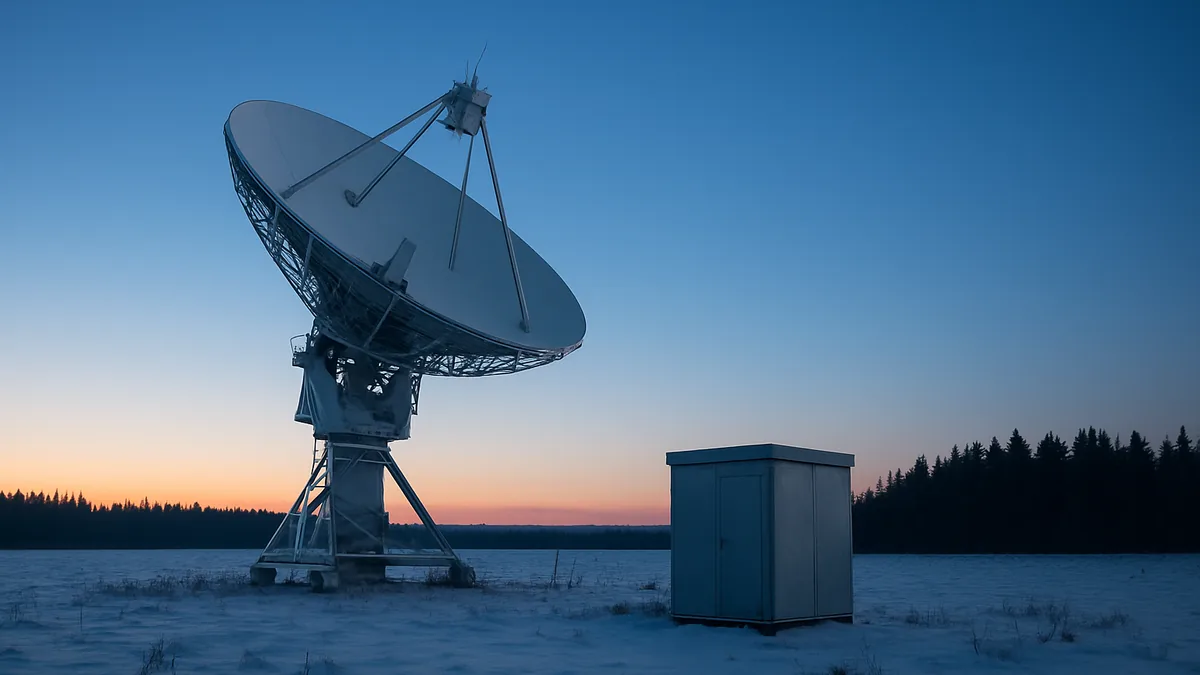
Last week, Ukrainian officials reported slowdowns affecting Starshield, the military-grade version of the Starlink satellite system operated by the aerospace company SpaceX. Ukraine depends on the service for communications and intelligence that help it guard against Russian attacks.
It remains unclear who ordered the restrictions that limit Ukraine’s access to Starshield. SpaceX chief executive Elon Musk, a Trump ally, pointed the finger at the White House. In a post dated October 14, he wrote that Starshield systems are owned and controlled by the US government, and that any limits on speed or usage are decided by the US military and ultimately by the president.
Reuters reported that the order came from inside the White House, citing two US officials and a Western official. However, a Wall Street Journal report published on Tuesday claimed that US officials had blamed Musk himself, saying he ordered the slowdown last week. Trump and US Defence Secretary Pete Hegseth have both denied that the government directed the restrictions, and Hegseth placed responsibility on SpaceX.
Outreach to Moscow and the sanctions waiver
Trump has also worked to ease relations between Washington and Moscow, which have long been strained. In August 2025, he invited Putin to Alaska, marking the Russian leader’s first visit to US soil in a decade. This month, Trump said he was open to meeting Putin and Chinese President Xi Jinping as part of a trilateral discussion on denuclearisation.
Trump also announced this month that he had reached a deal to obtain diesel from Russia, a striking shift after years of US pressure on Moscow’s economy. The president additionally waived new economic restrictions that would have come into force under the Lindsey Graham Sanctioning Russia and Iran Act, a bipartisan law he had signed a month earlier in honour of a late senator. The measures would have targeted Russian officials, banks and tankers, and would have imposed tariffs on countries that buy Russian oil.
US Secretary of State Marco Rubio defended the decision on Tuesday. He said the law allowed the waiver under a provision built into the legislation. In an interview with an Indian broadcaster, Rubio said Trump had opted for a national security waiver because the situation needed to be viewed as a whole.
Rubio described Trump’s approach as a “balancing act” in deciding how far US economic restrictions should go and how they might affect the rest of the world. “When you do that pressure, sometimes it spills over and has a negative impact on other countries,” he said.