Venezuela finds itself at a crossroads as hopes for free and fair elections rise following a landmark agreement brokered under former President Donald Trump’s administration. This deal has been described as historic due to its potential to reshape the country’s political and economic landscape. Venezuelans, long suffering under political turmoil and economic hardship, view the prospect of transparent elections as a critical step toward restoring democratic governance. The agreement symbolizes a possible turning point after years of international isolation and internal conflict.
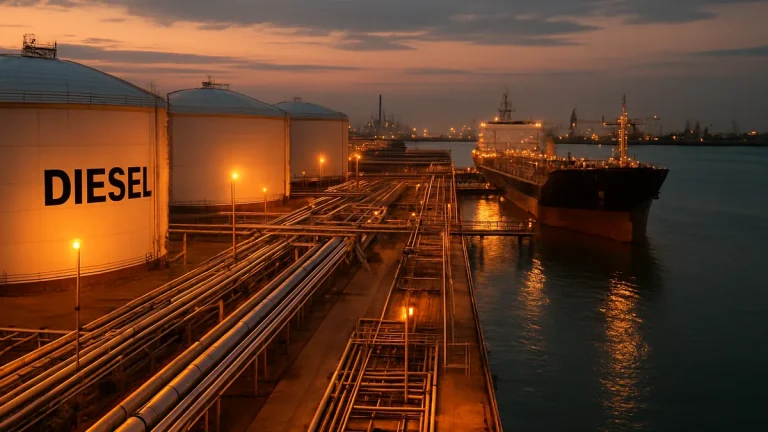
Meanwhile, the United States appears to be balancing its support for democratic processes with strategic interests in Venezuela’s vast oil reserves. The country holds some of the largest proven oil reserves globally, making it a key player in the energy sector. The Trump administration’s deal is seen by many analysts as an effort to stabilize oil production and secure energy supplies, which could influence US foreign policy decisions. This dual focus on democracy and energy underscores the complexity of international involvement in Venezuela’s future.
In a significant development, the outcome of this deal will likely impact both Venezuela’s internal political dynamics and its role in the global oil market. If successful, free elections could pave the way for political reconciliation and economic recovery. However, the emphasis on oil production raises concerns about whether economic interests might overshadow democratic reforms. The international community will be closely watching how these competing priorities unfold in the months ahead, as Venezuela seeks to rebuild its institutions and economy.