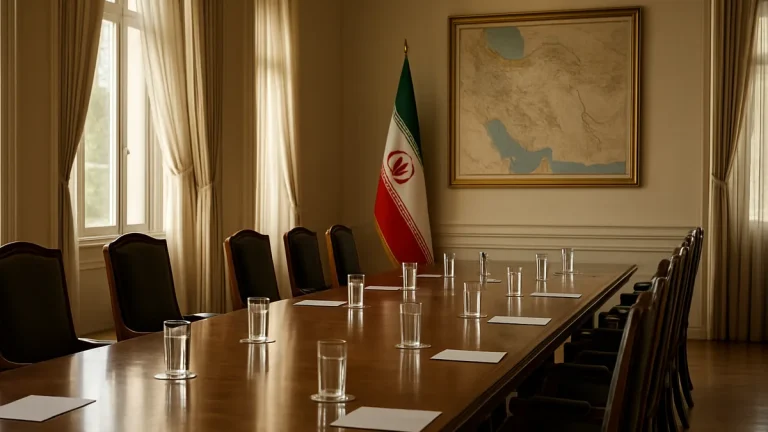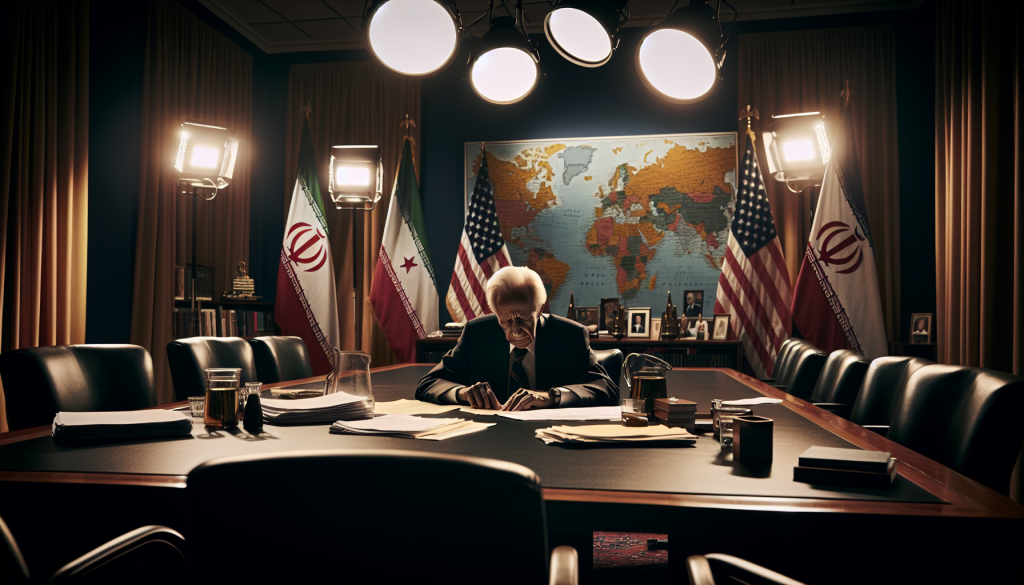
In a significant development, former President Donald Trump has come to realize that his administration lacks the necessary leverage to effectively influence Iran’s actions. Despite his aggressive stance and previous attempts to apply maximum pressure through sanctions and diplomatic isolation, the US finds itself constrained in maneuvering against Tehran. This realization marks a critical moment in US-Iran relations, highlighting the limits of unilateral pressure in resolving long-standing tensions.
Trump’s frustration stems from the intricate geopolitical landscape surrounding Iran, where regional alliances and global powers play pivotal roles. The US’s inability to secure decisive outcomes reflects broader challenges in Middle Eastern diplomacy, including Iran’s strategic partnerships and its resilient domestic policies. Meanwhile, ongoing negotiations and international efforts to address Iran’s nuclear ambitions continue to face obstacles, underscoring the complexity of the issue.
The impact of this setback extends beyond immediate policy frustrations, influencing future US approaches toward Iran and the broader region. It signals a need for more nuanced strategies that incorporate multilateral cooperation and diplomatic engagement. As the situation evolves, the US must reassess its tools and tactics to effectively address security concerns and promote stability in the Middle East.