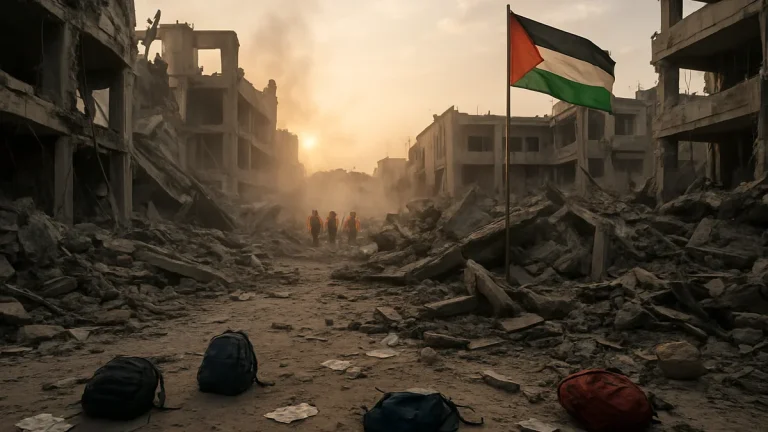
The Global Compact for Safe, Orderly and Regular Migration has facilitated unprecedented international collaboration to manage migration more effectively. This framework aims to improve migrant safety, reduce irregular migration, and enhance cooperation among countries of origin, transit, and destination. Despite these efforts, migration journeys are becoming increasingly hazardous due to evolving routes that bypass traditional checkpoints and security measures. Migrants often face greater exposure to exploitation, trafficking, and life-threatening conditions as they navigate these new paths.
Notably, the shifting migration corridors reflect broader geopolitical and environmental changes, including conflicts, economic instability, and climate impacts that force people to seek alternative routes. These changes complicate monitoring and humanitarian assistance, making it harder for authorities and organizations to provide timely support. The increased risks underscore the need for adaptive policies and enhanced international coordination to address emerging challenges in migration management. Meanwhile, the Compact’s principles continue to guide efforts toward safer migration despite these obstacles.
In a significant development, experts emphasize that addressing the root causes of migration and investing in resilient infrastructure along new routes are critical to reducing risks. Strengthening legal pathways and expanding protection mechanisms can also mitigate the dangers migrants face. As migration dynamics evolve, the international community’s commitment to the Global Compact remains vital for promoting human rights and ensuring that migration contributes positively to development and security worldwide. The ongoing situation calls for sustained vigilance and innovation in migration governance to safeguard vulnerable populations.