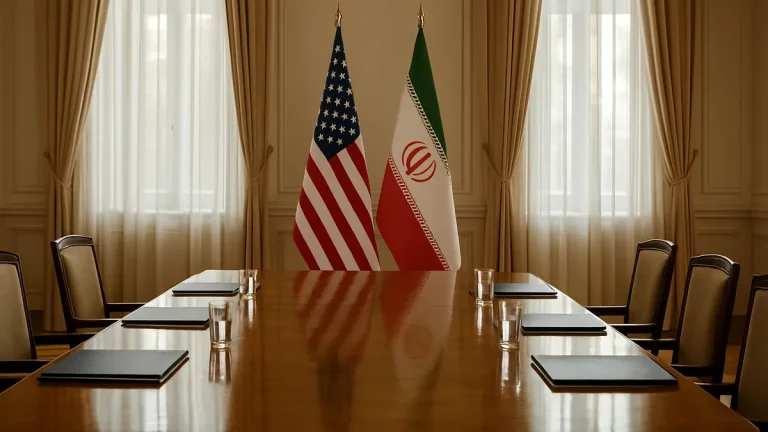
US President Donald Trump has reiterated that the ceasefire agreement with Iran continues to hold, even as recent confrontations have occurred in the strategically vital Strait of Hormuz. This waterway is a critical chokepoint for global oil shipments, making any conflict there a significant concern for international energy markets and geopolitical stability. The clashes have raised fears of escalating tensions between the two nations, which have a history of strained relations and proxy conflicts in the Middle East.
In a significant development, Trump emphasized the urgency for Iran to formalize the ceasefire agreement promptly, signaling a desire to avoid further hostilities that could disrupt regional peace and global trade. The US administration’s stance highlights the delicate balance of diplomacy and military readiness in managing the volatile situation. The Strait of Hormuz’s importance as a maritime passage for nearly a fifth of the world’s petroleum underscores the potential global economic impact of any escalation.
Meanwhile, the ongoing ceasefire talks and Trump’s public statements reflect broader efforts to stabilize US-Iran relations amid complex geopolitical dynamics. The outcome of these negotiations could influence future diplomatic engagements and security arrangements in the Middle East. Observers are closely monitoring developments, as a breakdown in the ceasefire could trigger wider conflict with far-reaching consequences for international security and energy supplies.