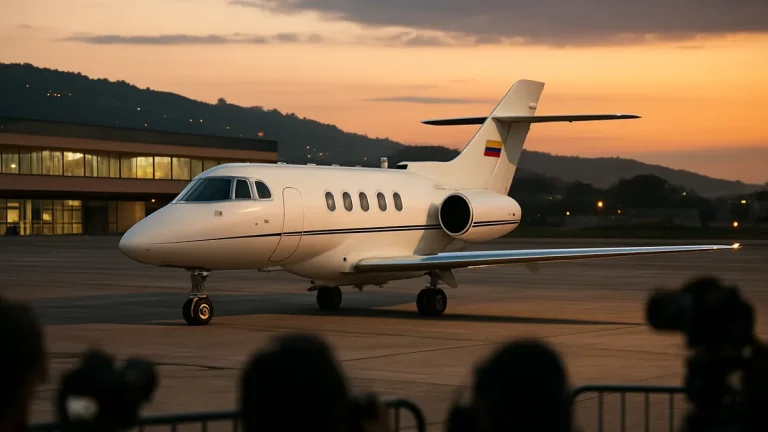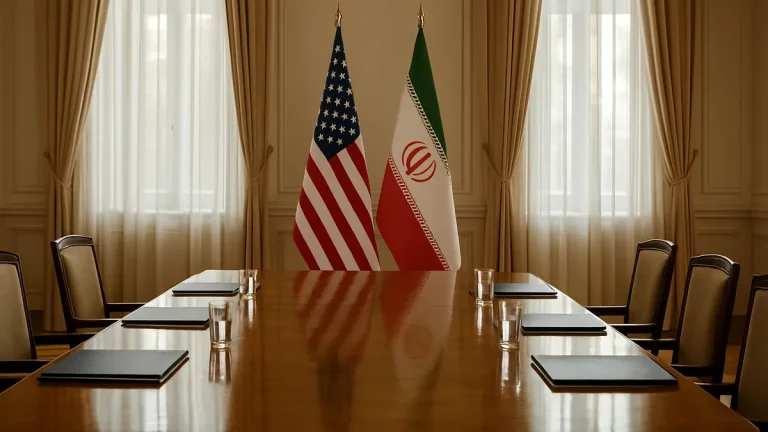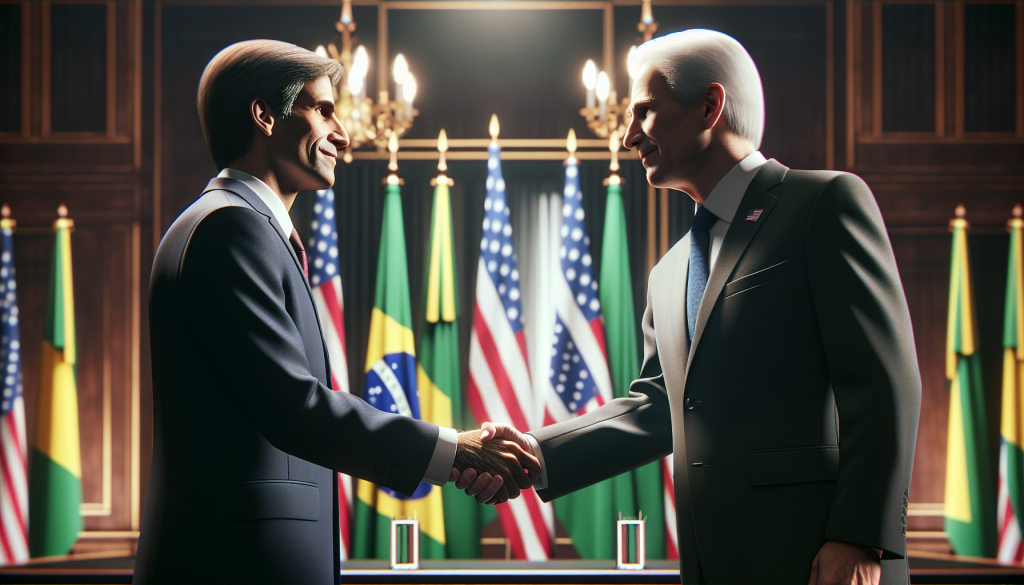
In a significant development, Brazilian President Luiz Inácio Lula da Silva held talks with former US President Donald Trump as Brazil seeks to address escalating tensions related to US trade policies. The meeting comes at a critical time when the possibility of new tariffs imposed by the United States threatens Brazil’s export economy. Brazilian officials are optimistic that dialogue with Trump could help ease the strain and prevent the implementation of these tariffs, which could impact key sectors such as agriculture and manufacturing.
Trade relations between Brazil and the United States have historically been complex, with tariffs often used as leverage in broader economic negotiations. The current situation reflects ongoing concerns about protectionist measures that could disrupt global supply chains and affect bilateral commerce. Lula’s engagement with Trump underscores Brazil’s proactive approach to safeguarding its economic interests through diplomatic channels, aiming to maintain favorable trade conditions.
Meanwhile, the outcome of these discussions holds significant implications not only for Brazil’s economy but also for the broader geopolitical landscape in the Americas. Should the talks succeed in averting new tariffs, it could set a precedent for resolving trade disputes through negotiation rather than escalation. This meeting highlights the importance of high-level diplomacy in managing international economic challenges amid shifting global trade dynamics.