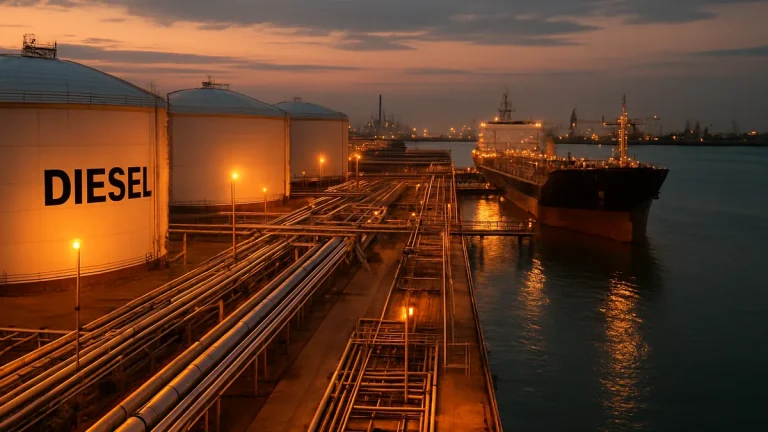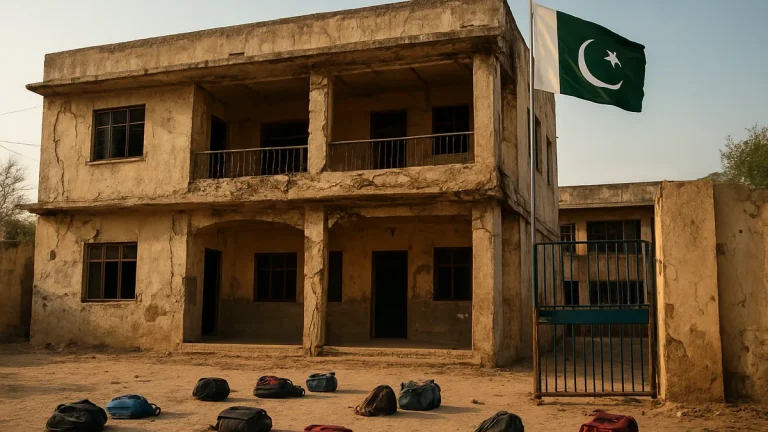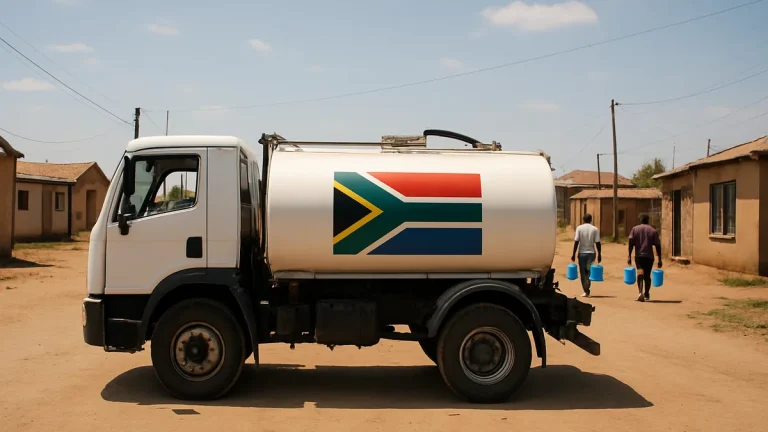

The United Nations has issued a warning about the potential long-lasting consequences of the ongoing conflict involving Iran on global food security. The disruption caused by the war could extend far beyond the immediate region, affecting food production and distribution networks worldwide. This situation highlights the vulnerability of global food systems to geopolitical instability, especially in regions critical to agricultural exports.
Notably, Iran and its neighboring countries play a significant role in the supply of essential commodities such as wheat, rice, and other staples. Any prolonged conflict could disrupt trade routes, increase prices, and exacerbate food shortages in already vulnerable areas. The UN’s alert underscores the interconnected nature of global food markets and the ripple effects that regional conflicts can have on food availability and affordability.
In a significant development, international organizations and governments are being urged to prepare for potential food crises triggered by this conflict. Strengthening food security measures, diversifying supply chains, and increasing humanitarian aid are among the recommended strategies to mitigate the impact. The warning serves as a call to action to address the broader implications of war beyond immediate military concerns, emphasizing the importance of global cooperation in safeguarding food resources.