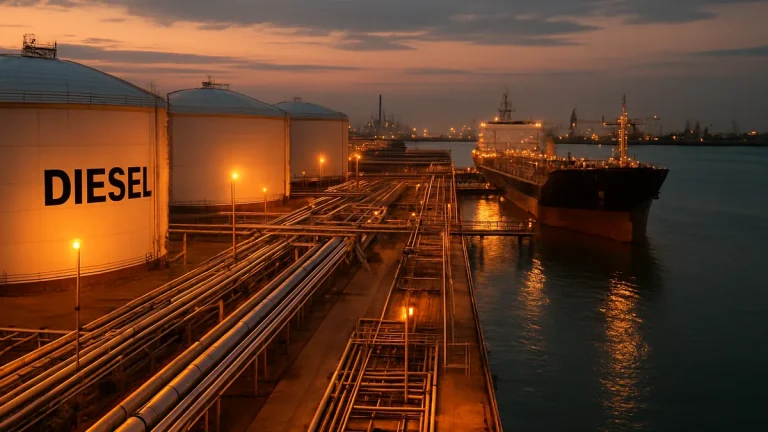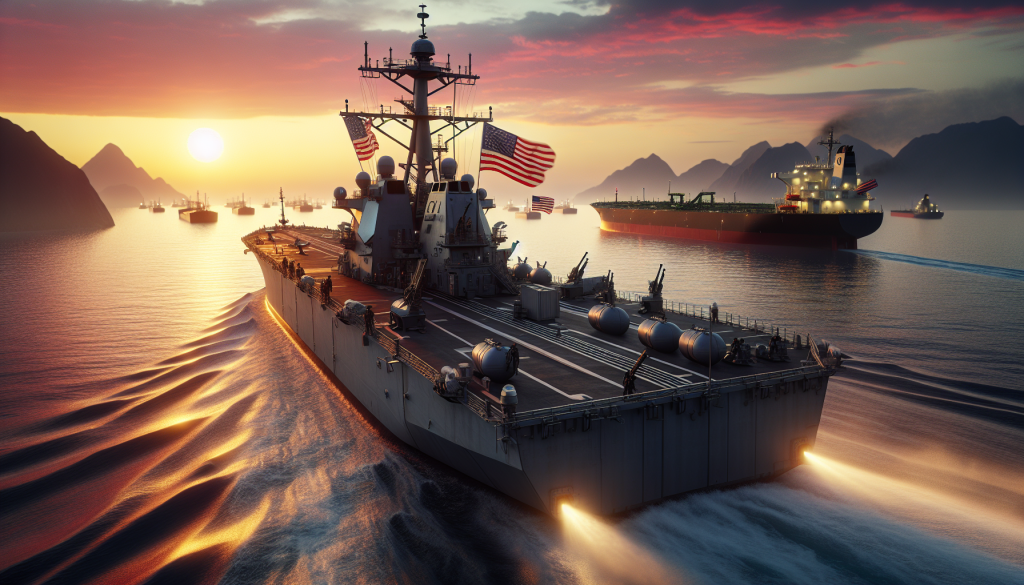

The United States has announced intentions to initiate a naval blockade in the Strait of Hormuz, a strategic waterway through which a significant portion of the world’s oil supply passes. This move involves deploying naval forces to restrict or control maritime traffic, aiming to prevent certain vessels from passing through the strait. The Strait of Hormuz, located between the Persian Gulf and the Gulf of Oman, is a vital chokepoint for global energy shipments, with about 20% of the world’s petroleum passing through it daily.
Historically, naval blockades have been used as a tool of economic and military pressure, often escalating tensions between nations. In this context, the US blockade could severely impact Iran’s ability to export oil, intensifying existing geopolitical conflicts in the Middle East. Such an action risks disrupting global oil markets, potentially leading to increased energy prices and economic instability worldwide. The move also signals a significant escalation in US-Iran relations, which have been fraught with conflict and sanctions for years.
In a broader sense, the blockade underscores the strategic importance of the Strait of Hormuz in international security and energy supply chains. It highlights the vulnerability of global markets to regional conflicts and the critical role of naval power in enforcing foreign policy objectives. The international community will closely monitor the situation, as any disruption in this narrow passage could have far-reaching consequences for global trade and diplomatic relations.