Cameroonian President Paul Biya, 93, is once again the subject of death rumours. He returned home on August 20 after 74 days abroad, one of the longest absences of his long rule. Unconfirmed reports had claimed he was hospitalised or had even died, and his extended stay away from the country revived speculation about his health.
Biya, Africa’s longest-serving president, is known for spending long periods outside the Central African nation he governs. Even with his return, many Cameroonians remain unconvinced about his condition and about who will lead the country if he cannot continue. Commentators have also questioned whether he can govern effectively given the uncertainty over his health.
Health questions linger after a muted homecoming
Biya had been in Geneva since June 7 for what his office described as a “short private stay”. According to local media, family members and some of his close aides joined him there. As speculation grew during his absence, officials denied reports that he had been treated at a clinic in Geneva.
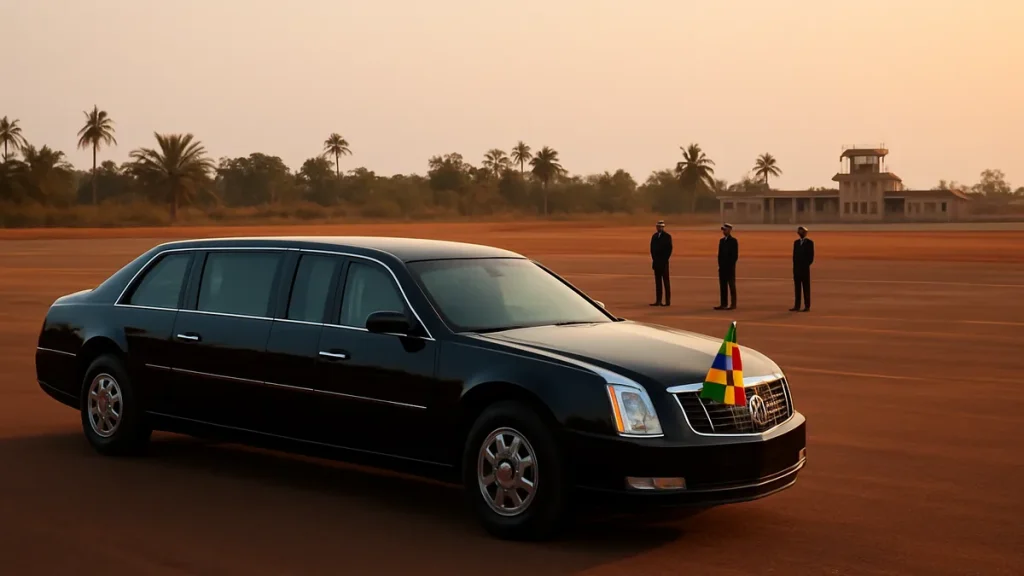
On his arrival, Biya and his wife, Chantal Biya, were greeted by a large crowd of party supporters. Images showed the president waving from his presidential limousine and shaking hands with Prime Minister Joseph Ngute. Many people said these brief clips offered too little evidence of how he was doing.
Since his return, little has happened, which has frustrated some observers. During his time away, his office issued several decrees, including one that promoted five colonels and another that reorganised military transfers. Since then, activity has largely gone quiet. Online, some Cameroonians have joked that the president is only visiting and will soon go back to his residence in Switzerland.
A disputed election and a cabinet still unnamed
Biya was re-elected for an eighth term in disputed elections in October last year, but he has not named a new government since. Many Cameroonians want a reshuffle announced soon. Calls have also grown for a vice president, preferably one who stays in the country, to be appointed.
The re-election sparked mass protests, which security forces violently suppressed. Rights groups said at least 48 people were killed. Opposition leader Issa Tchiroma Bakary, who claimed victory, was forced into exile in The Gambia.
Tchiroma once held several ministerial posts under Biya over 16 years and served as government spokesperson during the fight against Boko Haram. He had been seen as part of the president’s “old guard”, but he has campaigned on a promise of “change”. Analysts said Biya, often called “the absentee president”, largely leaves day-to-day governance to his cabinet, while opposition leaders have accused him of running the country on “autopilot”.
Some analysts have suggested that delaying ministerial appointments could be a deliberate move that lets Biya keep control over political change. Experts, however, have warned that the prolonged political stagnation is weighing on investor confidence. Analysts also noted that the country’s oil wealth has not prevented its economy from largely stagnating.
Succession battle and the revived vice presidency
Biya has ruled Cameroon since 1982 through the Cameroon People’s Democratic Party (RDPC). Most of the country’s under-30s, who make up 70 percent of its 30 million people, have never known any other president. Attacks by the armed group Boko Haram have continued in the north, while separatists remain active in the west.
The vice presidency was abolished in 1972, but parliament surprisingly re-established the post in April. Under the new law, the president can choose and dismiss the vice president. That appointee would serve out the rest of the president’s seven-year term if Biya were unable to finish it. Some see the law as an attempt by Biya to pick a possible successor, while opposition parties have criticised it as undemocratic and say it effectively blocks elections.
Without a vice president, Senate President Aboubakary Abdoulaye would be next in line to lead until an election could be held. Analysts, however, have pointed to the country’s secretary-general, Ferdinand Ngoh-Ngoh, who is believed to be the “de facto president”, as a likely vice president-in-waiting. Biya’s son, Franck Biya, could also expect support from his father’s strong base in southern and central Cameroon, but he lacks political experience. Biya has never identified or groomed a successor, which keeps the question open.