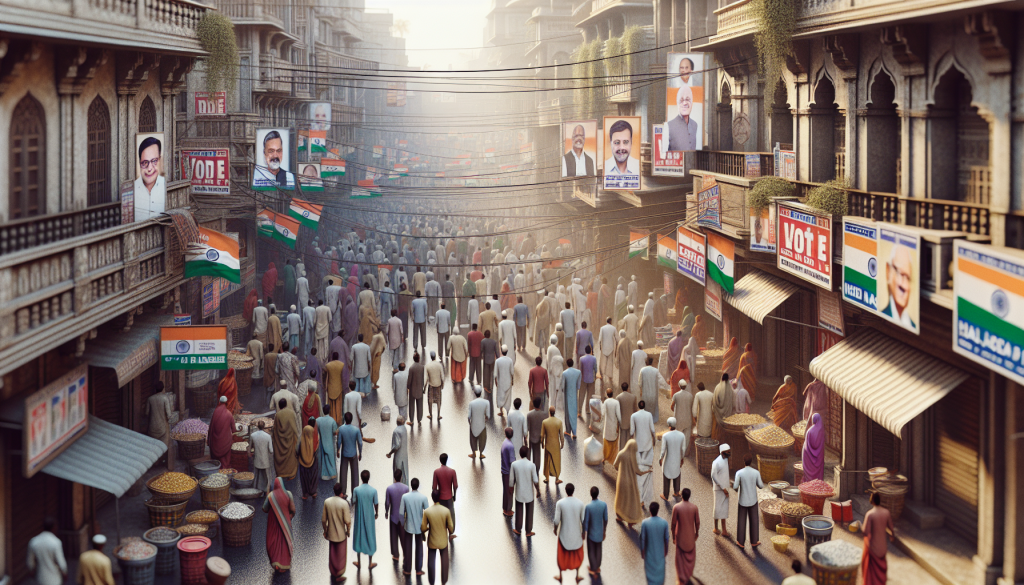
India’s political landscape has long been shaped by welfare-oriented policies aimed at supporting marginalized communities through subsidies and social programs. These initiatives have historically played a crucial role in securing electoral support by addressing immediate needs such as food security and healthcare. However, the dynamics are shifting as a growing segment of the electorate seeks more than just welfare handouts. Voters increasingly emphasize the importance of sustainable employment opportunities, economic advancement, and social dignity in their political choices.
In a significant development, this evolving voter preference reflects broader socio-economic changes in India, including urbanization, rising education levels, and a youthful population eager for upward mobility. Political parties are now compelled to balance welfare schemes with policies that promote job creation and economic growth to maintain their appeal. This trend underscores the complexity of India’s democracy, where economic aspirations are becoming as influential as traditional social welfare concerns in shaping electoral outcomes.
Meanwhile, the shift also signals a demand for dignity and self-reliance among voters, who want to move beyond dependency on government aid. The challenge for policymakers lies in crafting inclusive growth strategies that integrate welfare with opportunities for skill development and entrepreneurship. As India continues its development trajectory, the interplay between welfare and economic empowerment will likely define the future of its electoral politics, influencing how parties strategize and engage with their constituencies.