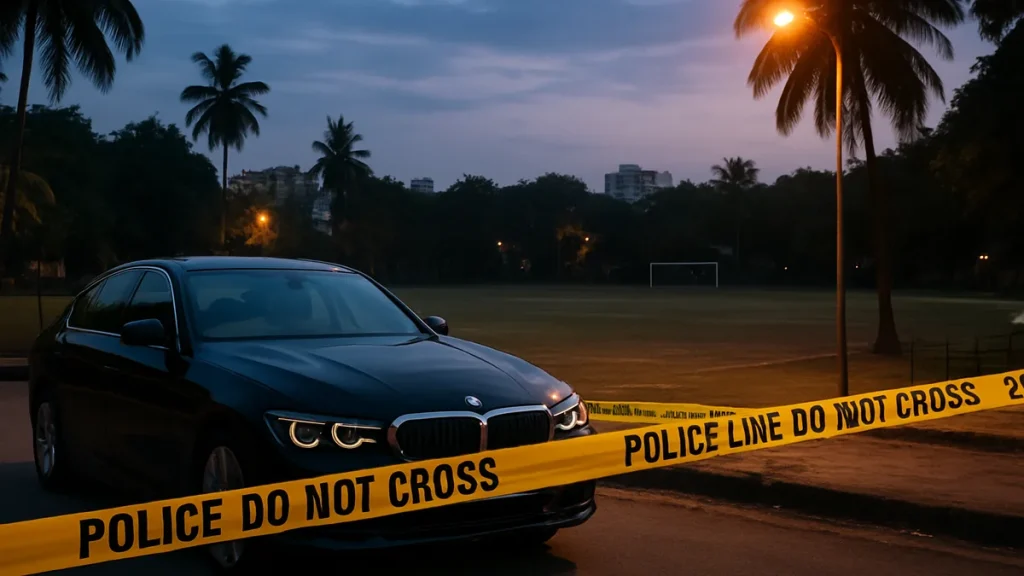
Police in Mumbai have detained or arrested 10 suspects over a shooting attempt on Bollywood actor Tiger Shroff, which left his driver and a vlogger wounded. The attack took place on Sunday evening in Juhu, a well-off neighbourhood known for film stars and celebrity sightings. Shroff, 36, was leaving a football ground in his BMW when shots were fired.
Four days later, the case continues to dominate headlines in India. Each new development has brought fresh theories, competing claims and a growing list of alleged conspiracies. Investigators are tracing weapon deliveries across several states and examining payments made to the alleged attackers.
Investigators trace weapons and payments after Juhu shooting
Shroff is known for action roles, and his films often feature elaborate stunts and staged escapes. This time, however, he was caught in a real attempt on his life. The gunfire also wounded a vlogger who had gone to film the actor.
Police have not yet said who ordered the attack or why it was carried out. Their work is focused on the supply of weapons and the money that moved to the people accused of carrying it out. The number of suspects has risen as the inquiry has widened.
Bishnoi gang named in unverified claims
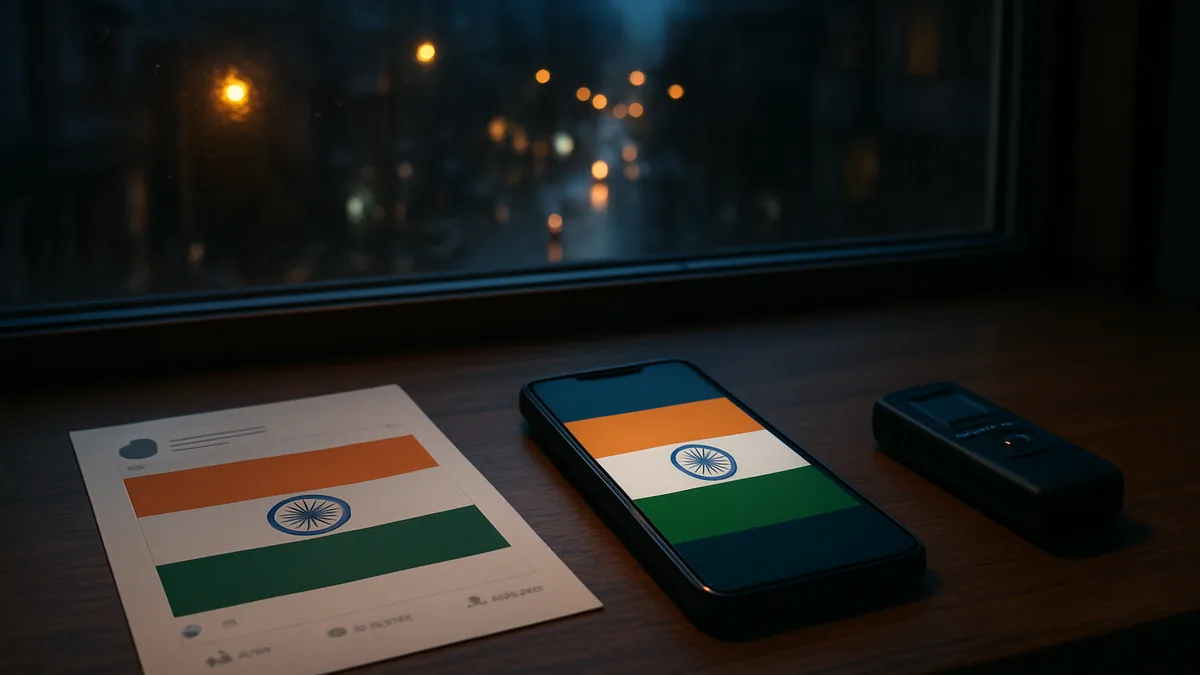
The shooting quickly drew attention to Lawrence Bishnoi, a gangster widely described as one of India’s most notorious. Soon after the attack, a screenshot of a social media post circulated online. It was purportedly written by an alleged associate of the Bishnoi gang and claimed responsibility for the shooting.
A separate audio recording also surfaced. In it, a man identifying himself as Anil Pandit repeated the claim and said Shroff had been targeted because of his alleged links to actor Salman Khan. Bishnoi has threatened Khan for years.
Mumbai police have not verified these claims, and they have not established that the Bishnoi gang was behind the attempt. The claims remain allegations that have yet to be tested.
The attack on Shroff follows a series of threats involving prominent Bollywood figures. In April 2024, gunmen fired five rounds outside Khan’s home in Mumbai. Filmmaker Rohit Shetty’s house was also targeted earlier this year. Together, these incidents have revived concerns about organised crime reaching into the film industry.
Mumbai’s underworld and the Bollywood of the 1990s
Many people in Mumbai are now asking whether the underworld is trying to control Bollywood again. Those who fought organised crime in the city say the picture is more complicated. The past offers a useful comparison.
In the 1990s and early 2000s, the city’s underworld held considerable sway over the film industry. Gangs financed productions, demanded protection money and sometimes used violence to get their way. Police operations over several years, along with the gradual arrival of institutional financing, weakened that hold.
D Sivanandhan, who took charge of Mumbai’s Crime Branch in 1998, recalled a time when a phone call from Dubai, where some leading gang figures were based, could decide the fate of a film. The call could determine who starred in it, who financed it or who profited from its distribution. In an industry dependent on private money, the line between investor and extortionist was often thin.
The threats were not empty. In 1997, music producer Gulshan Kumar was shot dead outside a Mumbai temple. Three years later, filmmaker Rakesh Roshan survived an assassination attempt.
Sivanandhan also investigated the financing of Chori Chori Chupke Chupke, a Salman Khan film. The producer and his assistant were each sentenced to six years in prison under Maharashtra’s organised crime law for underworld links. The financier received a one-year sentence for withholding information about those links. Police seized the film’s negatives, and its release went ahead later under court supervision.
Sivanandhan noted that some filmmakers willingly sought gangster money. Such arrangements could benefit both sides, and they were difficult for police to dismantle.
Why today’s gangs differ from the old mafia
Sivanandhan is reluctant to describe the latest violence as a return of the mafia he once pursued. Figures such as Dawood Ibrahim, Chhota Shakeel and Arun Gawli led criminal networks rooted in Mumbai, even when some of their leaders operated from abroad. “This is not the Mumbai mafia which we know in the last 60 years,” he said. “This is something else.”
Bishnoi has been in jail for years, yet his name carries a reputation for reach far beyond prison walls. Threats and claims of responsibility linked to him spread quickly online. Police have linked two attacks in Mumbai to the Bishnoi gang: the shooting outside Khan’s home and the killing of politician Baba Siddique, who was close to Khan and other actors. Police have not established any personal involvement by Bishnoi in Siddique’s killing.
Rakesh Maria, a former Mumbai police commissioner, has described a new generation of gangsters who are more technologically skilled and internationally connected. “The old underworld was visible and territorial, but the new one is dispersed, fluid, making it harder to pin down,” Maria said in an interview last year. “They no longer need to reside in the city to command it.”
Cinema also helped shape how the public saw these figures. In the 1990s, films such as Satya (1998) and Company (2002) brought a gritty realism to Mumbai’s underworld. Manoj Bajpayee’s portrayal of gangster Bhiku Mhatre in Satya became, in the words of film scholar Ashvin Immanuel Devasundaram, “mythologised and talismanic”.
Devasundaram said in an interview that the fear and fascination of that era were “seared into the collective consciousness”. Each new attack brings those memories back, he added. Today’s gangsters, however, do not need films to build their image. Social media lets them circulate threats, claims and carefully staged photographs to audiences far beyond Mumbai.
Security tightened as industry demands protection
After the latest shooting, police reportedly stepped up security outside the homes of Khan and Rohit Shetty. The All Indian Cine Workers Association demanded greater protection for people in the industry. “Today it is Tiger Shroff. Who is next?” the association asked.
There is little evidence so far that criminal networks have regained their former control over Bollywood’s finances and decisions. The latest attacks, however, have exposed a different weakness. Gangsters may not need to control an industry to unsettle it. A single shooting attempt, spread across millions of phone screens, can spread fear well beyond its target.
Sivanandhan, who spent years confronting Mumbai’s gangsters, knows the limits of even the strictest security. “There is always a crack in the armour,” he said.