French security forces deployed across Paris on Saturday ahead of demonstrations that authorities worry could turn violent. Interior Minister Laurent Nunez told officers to be “hyper-reactive” toward troublemakers and looters who might take advantage of the crowds.
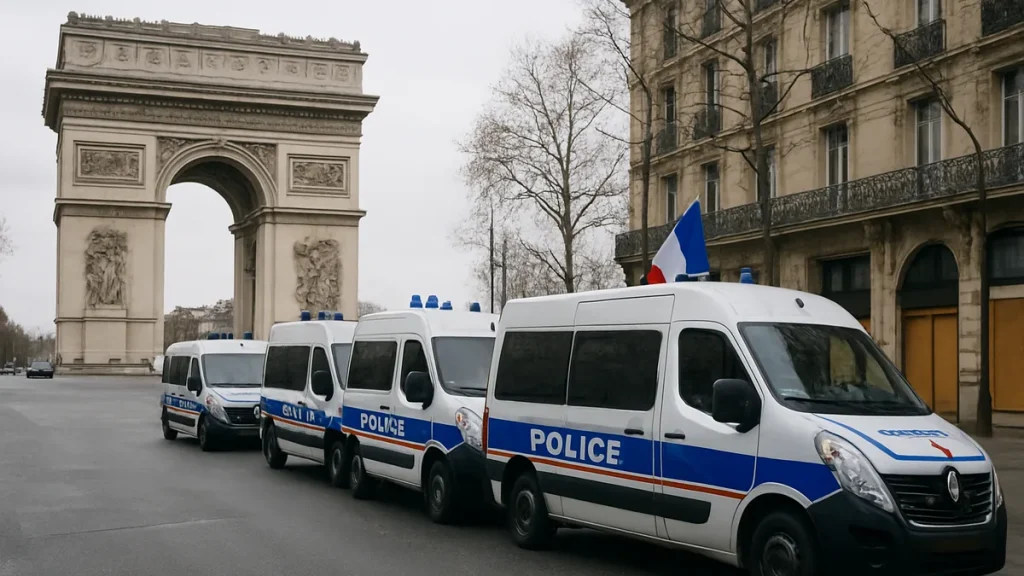
Soldiers from an anti-terrorism military unit walked the Champs-Elysees, while police vans drove around the Arc de Triomphe. The aim was to shield some of the capital’s best-known landmarks from a repeat of the unrest that swept through France last week.
Police numbers raised after October 17 unrest
Nunez has mobilised 70,000 police across the country for Saturday’s protests. That is 10,000 more than were deployed on October 17, when a spate of vandalism and looting prompted doubts about the government’s capacity to keep order.
Also read: France bans protests in major cities as Macron blames far left · Gen Z protests across Europe and India: what is driving them
Public anger over the cost of living and under-funded public services has brought students, workers and trade unions onto the streets in recent weeks. Authorities, however, say radical militants and groups of young looters have used the marches as cover to cause disorder.
Speaking to officers in Paris, Nunez warned that they could face attempts to attack shops, public buildings and security forces. “We have to be ultra, ultra responsive,” he said. “It is going to be a long day.”
Shops and cultural venues shut in the capital
Many shopkeepers in Paris put up boards over their windows, and luxury retailers increased their security. Business groups have urged stores to stay shut after thousands of shops and businesses were damaged or looted across France the previous weekend.
Lidiya Shevchenko, a sales assistant at a Graziella Braccialini store in Paris, said she did not expect many shoppers to come out and browse upmarket boutiques during the day. “I suppose the mood is just as important when it comes to shopping,” she said.
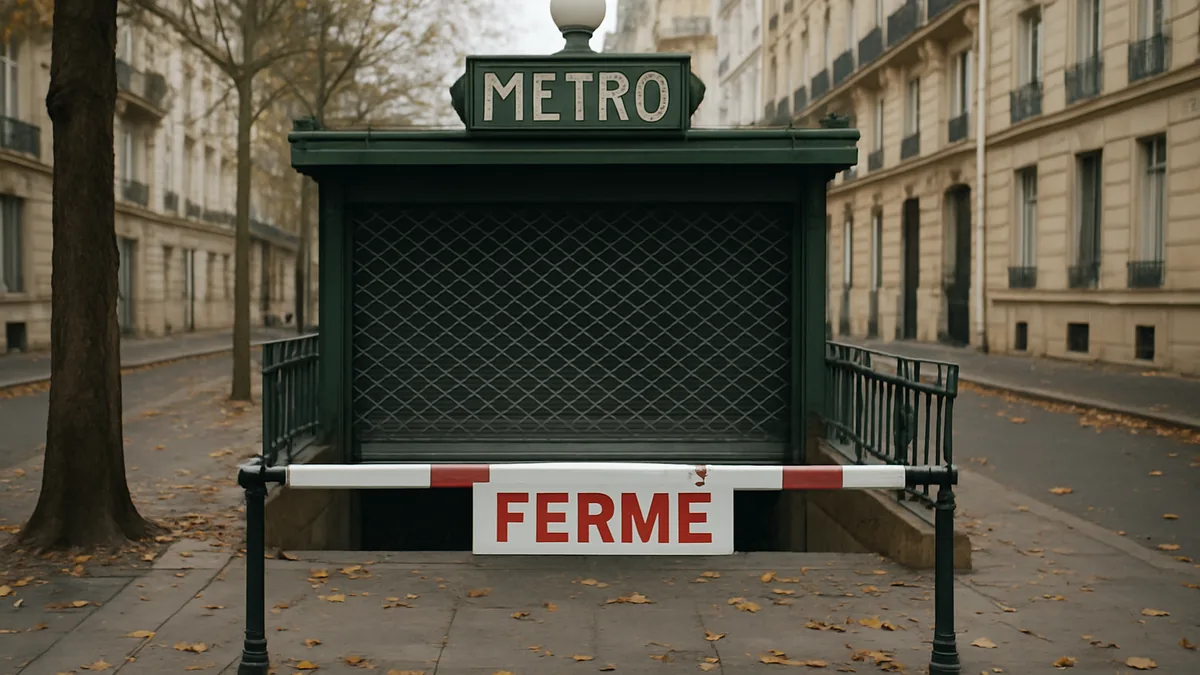
Several of the capital’s leading cultural institutions, including the Louvre, the Musee d’Orsay and the Opera House, planned to close for the day to avoid being caught up in any disorder. More than 20 metro stations were also closed.
Route dispute and protest bans across France
It remained unclear where Saturday’s main Paris demonstration would take place, after police asked organisers to move it away from the city centre to the southeastern edges of the capital. The Paris police prefecture said the original route carried “serious risks of disturbances to public order,” particularly because of the many businesses similar to those targeted during the weekend of October 17-18.
The last-minute change angered parts of the left. Hard-left leader Jean-Luc Melenchon wrote on X that authorities were creating disruption for the marches and setting impossible deadlines for organisations to reorganise, adding that these methods were spreading across the country.
Authorities have sharply limited demonstrations in many parts of France. Marseille reversed an earlier ban and approved a union march, while protests remain restricted in central Lyon. Union rallies will go ahead in Strasbourg, but bans stay in place in several other cities, including Nancy, Metz, Besancon, Belfort, Rouen, Le Havre, Toulon and Limoges.
The first authorised march set off mid-morning in Orleans, about 120 km (75 miles) south of Paris. It was a protest against Marine Le Pen’s far-right National Rally, which is holding a congress in the city this weekend. “We have come to tell the far right, face to face, that we are not afraid,” said Bally Bagayoko, the mayor of Saint-Denis and a member of the hard-left France Unbowed (LFI) party.
Tensions were already high after a shooting west of Paris on Friday. A gunman suspected of acting out of Islamophobic hatred killed one person and wounded four others, including a 12-year-old girl.