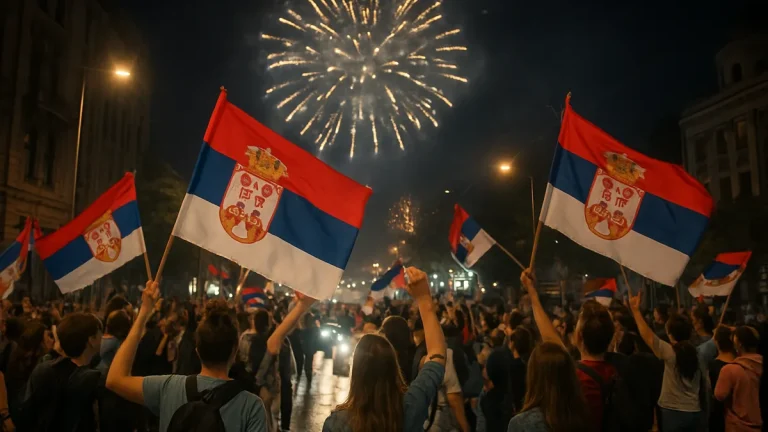
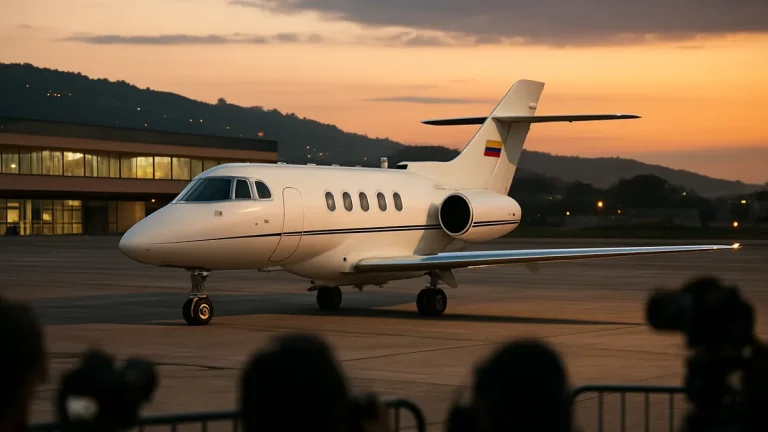
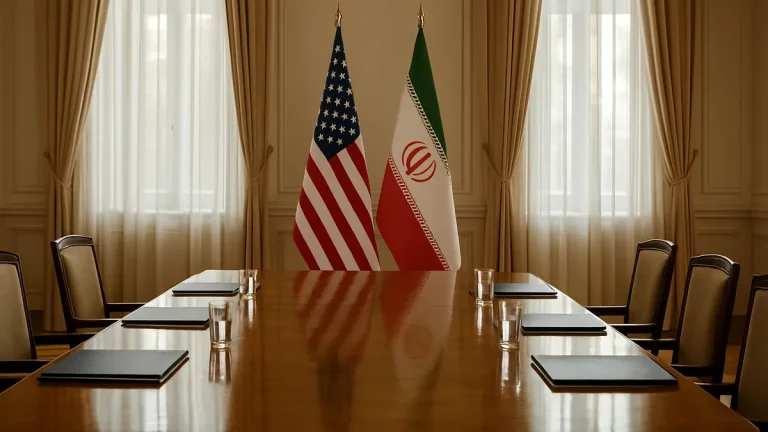
In recent months, former President Donald Trump has significantly increased his use of artificial intelligence to produce and disseminate videos portraying fabricated military attacks. These AI-generated clips have drawn widespread attention due to their realistic appearance and provocative content, blurring the lines between satire and misinformation. The rise of such digitally manipulated media reflects broader trends in political communication where technology is leveraged to shape public perception.
Notably, the deployment of these videos raises questions about their underlying purpose. While some observers interpret them as mere internet memes designed to entertain or provoke, others warn they may constitute a form of psychological warfare aimed at influencing public opinion or unsettling political opponents. This tactic aligns with a growing global concern over the weaponization of AI in information campaigns, where deepfakes and synthetic media can distort reality and erode trust.
The implications of Trump’s AI video strategy extend beyond immediate political discourse, highlighting challenges for media literacy and regulatory frameworks. As AI tools become more accessible and sophisticated, the potential for such content to impact elections, international relations, and social cohesion intensifies. Consequently, experts emphasize the need for enhanced public awareness and technological safeguards to mitigate the risks posed by AI-driven misinformation in the digital age.