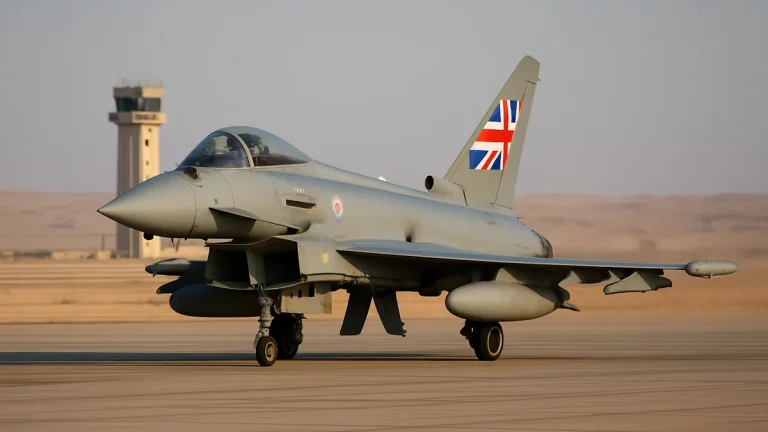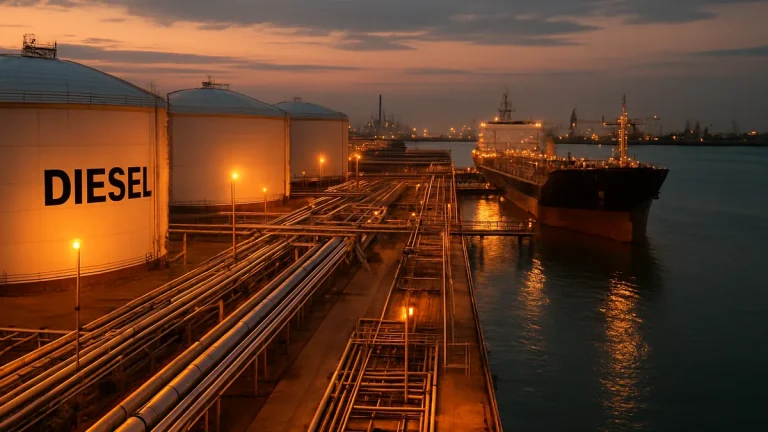

In a significant development, the United States has initiated military strikes against positions held by Iran’s Revolutionary Guards. This action follows reports of attempted attacks on commercial ships navigating the strategic Strait of Hormuz, a vital waterway for global oil shipments. The US government has framed these strikes as a defensive response aimed at deterring further hostile activities in the region. The escalation marks a continuation of heightened tensions between Washington and Tehran, which have been fraught with conflict over Iran’s regional influence and nuclear ambitions.
The Strait of Hormuz is a critical chokepoint through which approximately one-fifth of the world’s petroleum passes, making security in this area essential for global energy markets. Previous incidents involving Iranian forces and international vessels have raised concerns about the stability of maritime trade routes. The US strikes are intended to send a strong message to Iran regarding the protection of freedom of navigation and the safety of commercial shipping. Meanwhile, the international community watches closely as the risk of broader confrontation increases.
These latest military actions could have far-reaching implications for diplomatic relations and regional security in the Middle East. The escalation may prompt responses from Iran and its allies, potentially destabilizing an already volatile environment. Additionally, global oil prices could be affected by disruptions or threats to shipping lanes. The situation underscores the ongoing challenges in managing US-Iran relations and the broader geopolitical contest for influence in the Gulf region.