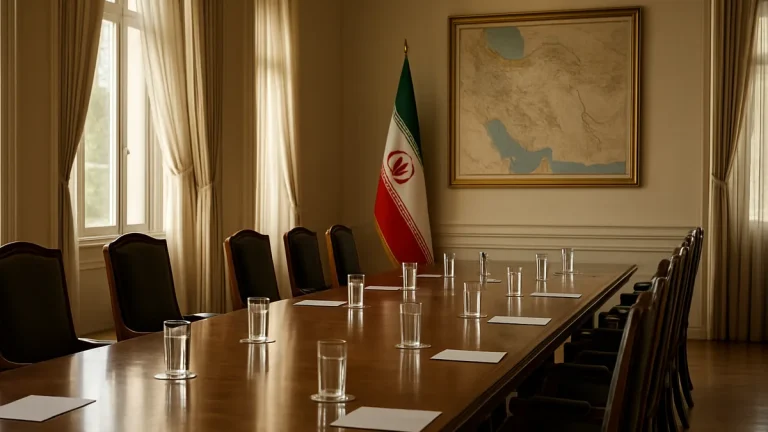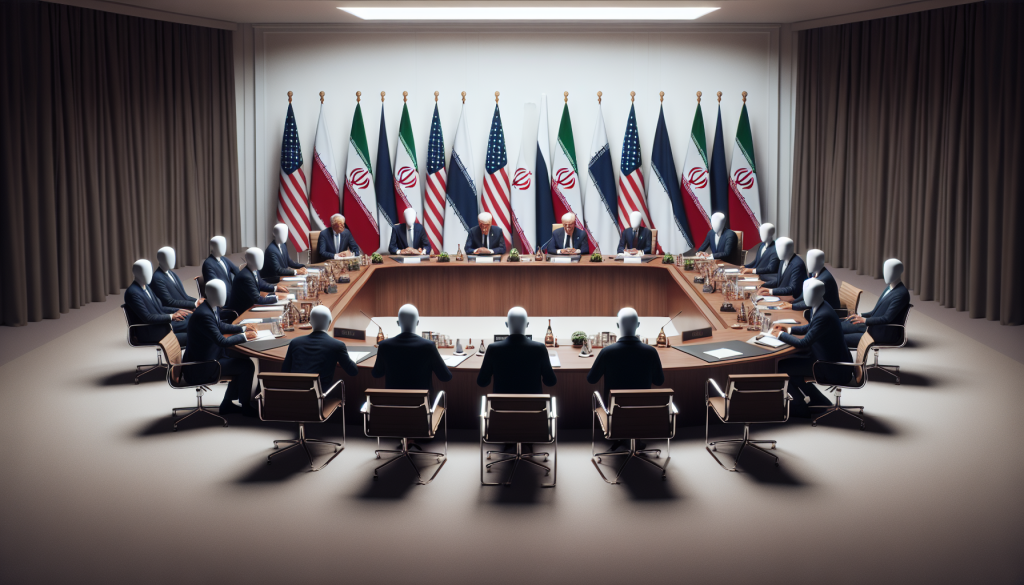
In a significant development in the ongoing conflict, Iran’s influential parliamentary speaker declared that the United States has ‘no alternative but to accept’ Tehran’s detailed 14-point proposal aimed at ending the war. This statement underscores Tehran’s push for a diplomatic resolution despite the fraught relations between the two nations. The proposal outlines conditions intended to halt hostilities and pave the way for negotiations, reflecting Iran’s strategic approach to the crisis.
Meanwhile, former US President Donald Trump sharply criticized the Iranian peace offer, dismissing it and casting doubt on the viability of a ceasefire. His rejection highlights the deep divisions and mistrust that continue to hamper diplomatic efforts. Trump’s stance resonates with a segment of US policymakers who remain skeptical of Iran’s intentions, complicating prospects for immediate conflict resolution.
The situation remains precarious as the ceasefire hangs by a thread, with both sides entrenched in their positions. The international community watches closely, aware that acceptance or rejection of the proposal could significantly influence regional stability. The outcome will likely shape future diplomatic engagements and the broader geopolitical landscape in the Middle East.