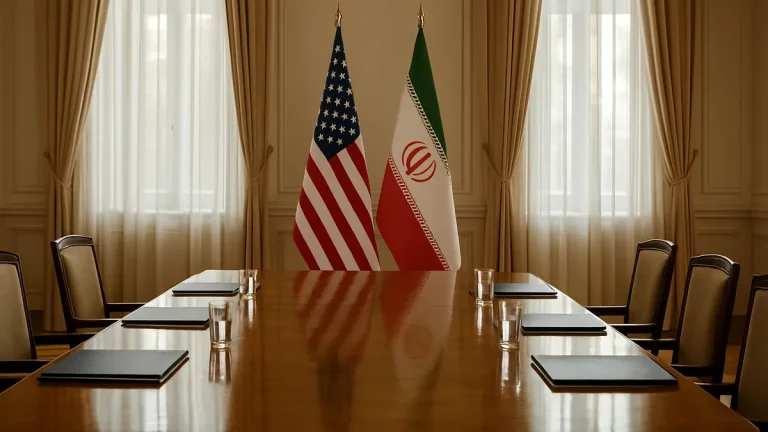
In a significant development, Iran has articulated its position on negotiations related to the ongoing conflict involving the United States. This stance reflects Tehran’s broader strategic and diplomatic approach amid heightened tensions in the region. The clarification comes at a time when international efforts to de-escalate hostilities are gaining momentum, with various stakeholders advocating for dialogue over confrontation.
Iran’s approach to these negotiations is shaped by its desire to safeguard national interests while addressing security concerns posed by US policies. The country’s leadership emphasizes the importance of mutual respect and sovereignty in any potential talks, signaling a cautious but open attitude towards diplomatic engagement. This position also underscores the complexities of US-Iran relations, which have been marked by decades of mistrust and intermittent conflict.
Meanwhile, the regional and global implications of Iran’s stance are profound, as any progress or setbacks in negotiations could influence stability across the Middle East. The international community closely monitors these developments, recognizing that successful dialogue could pave the way for reduced tensions and enhanced cooperation. Conversely, failure to reach common ground may exacerbate existing conflicts, impacting global security and economic interests.