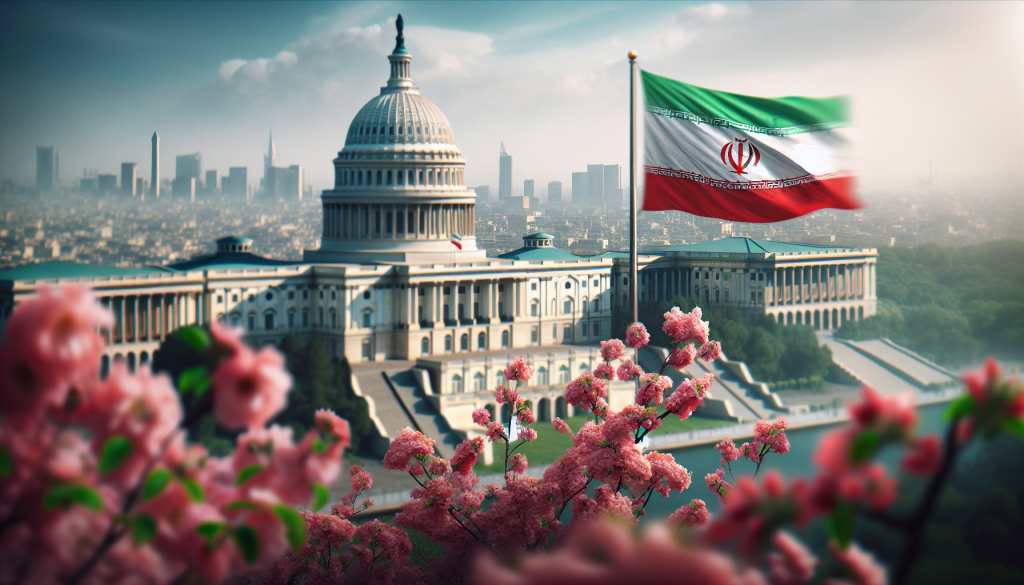
In a significant development, Iran has publicly stated that the United States is no longer in a position to dictate policies to other nations. This declaration reflects Tehran’s growing confidence amid shifting global power balances and ongoing tensions between the two countries. Historically, the US has exerted considerable influence over international affairs, often shaping diplomatic and economic policies worldwide. However, Iran’s statement challenges this long-standing dominance, suggesting a decline in American unilateral power.
Meanwhile, this assertion comes amid broader geopolitical shifts, including the rise of other global powers and increased resistance to US foreign policy in various regions. Iran’s stance underscores its desire to assert greater autonomy and influence in regional and international matters. The country’s leadership has frequently criticized US interventions and sanctions, framing them as attempts to undermine Iranian sovereignty and regional stability. This rhetoric serves both domestic political purposes and international signaling.
Notably, the impact of such declarations extends beyond rhetoric, influencing diplomatic relations and alliances. Iran’s message may resonate with other nations seeking to challenge US dominance, potentially reshaping global alignments. It also highlights the ongoing contest for influence in the Middle East and beyond, where the US and Iran remain key players. The evolving dynamics could affect negotiations on critical issues such as nuclear agreements, security cooperation, and economic sanctions.