
Australia remain in control of the first Test against South Africa at Kingsmead in Durban, leading by 139 runs despite a series of early finishes caused by poor light. The problem has wiped out more than 60 overs across the first three days, reviving one of cricket’s oldest frustrations.
The timing makes the disruption especially hard to accept. The International Cricket Council added a solution to its rules only last week, yet that option has so far not been used anywhere in the world.
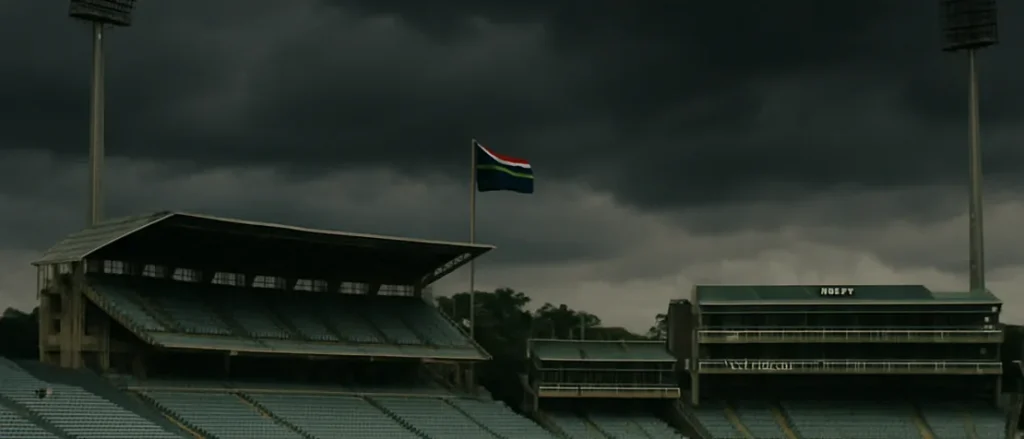
How clouds cut short play in Durban
Play was scheduled to begin at 09:30 local time, and the sun sets shortly after 18:00 at this time of year on South Africa’s eastern coast. On day one, play was halted at 15:23 after clouds built up. Only 65.2 of the scheduled 90 overs had been bowled, and the players were unable to return to the field.
Day two lasted until 16:25, which was still 35 minutes earlier than it could have ended. Play on day three finished at 16:31. On each occasion, the first two sessions were played in hot, sunny conditions before clouds gathered in the afternoon, a familiar weather pattern in Durban.
Weather presenter Chris Fawkes explained that a sea breeze forms in the morning as inland temperatures rise, bringing humidity and some cloud. As temperatures begin to fall towards evening, he said, the air becomes increasingly saturated. “That has caused the cloud to get thicker and lower.”
What the ICC rule change does and does not allow
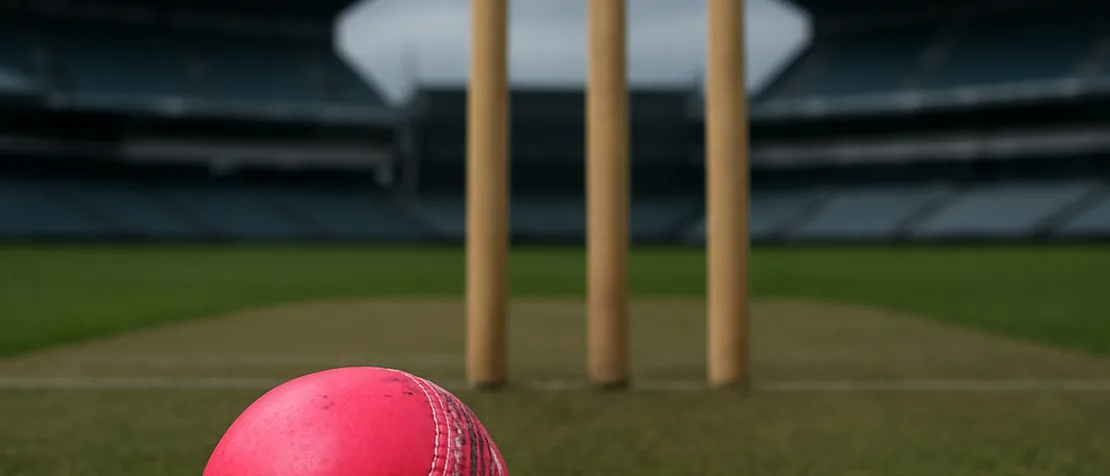
Following a trial earlier in the year, the ICC amended its playing conditions to allow the pink ball to be used in Tests. The change was meant to help in exactly these situations. Play is suspended if umpires decide that light conditions are “dangerous or unreasonable” for the players.
The rule does not allow a red ball to be swapped for a pink one once the light deteriorates, a step former England captain Michael Vaughan had previously suggested. Instead, if light problems are expected, teams can agree before a Test starts to use the pink ball throughout. No such discussions took place between South Africa and Australia before the Durban Test.
The pink ball has long been used in day-night Tests because it is easier to see than the darker red ball in night-time conditions.
Pollock and Philander weigh in on the pink ball
Former South Africa bowler Shaun Pollock was part of the ICC committee that recommended the change. He believes there is a “stigma” around the pink ball in the game, and said critics often say it moves too much. Pollock argued that if Australia had been 124-6 on day one with the pink ball in use, the ball would have been blamed, and the same would have happened had Australia reached 390 in their first innings.
Pollock said the pink ball would have meant 45 more overs of Test cricket, which is why he wants it introduced beyond day-night games. One belief holds that the pink ball moves more under floodlights, but ball-tracking data does not support that. Various batters have said the pink ball is harder to see, and batting averages are lowest in the evening of day-night matches.
Australia have played in 15 day-night Tests, 10 more than any other team, and the four leading wicket-takers in those matches are all Australians. Mitchell Starc has taken 89 wickets in 15 Tests, which has made him the leading figure in pink-ball cricket.
Former South Africa bowler Vernon Philander said he prefers the idea of switching balls during a match if conditions require it. He acknowledged, however, that this would raise questions about the integrity of the Test. “They have to take it out of the hands of the players completely and enforce it from the umpires’ point of view that the pink ball will become in play when the light has faded enough,” Philander said, adding that he would like the ICC to require officials to make that call.