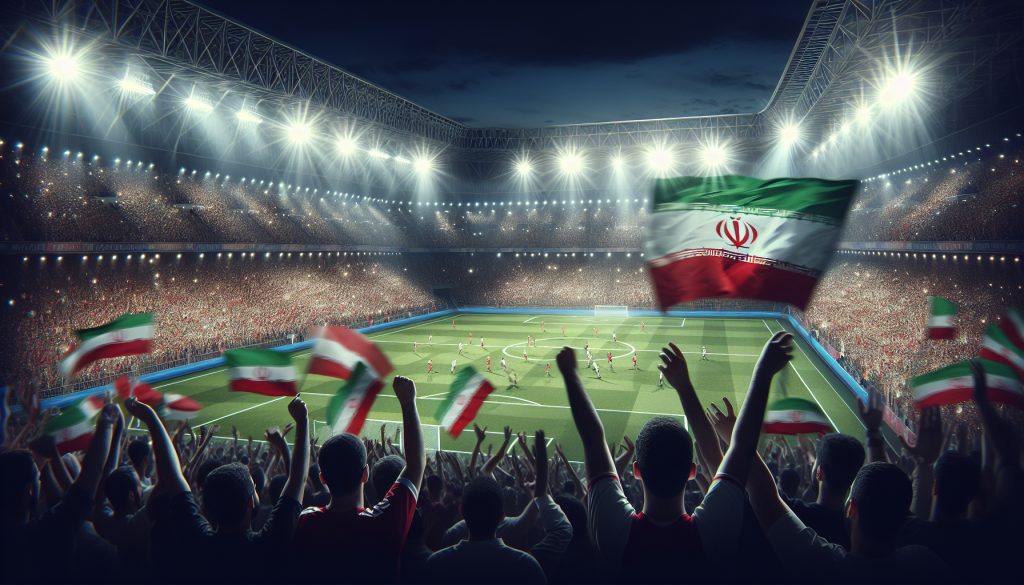
Iran has indicated its willingness to participate in the 2026 FIFA World Cup, contingent upon the host country addressing specific concerns raised by Tehran. This announcement comes amid ongoing geopolitical tensions, particularly following military actions involving the United States and Israel against Iran. The country’s football federation has remained cautious about confirming its presence at the tournament due to these unresolved issues.
Historically, Iran has been a consistent competitor in international football, qualifying for multiple World Cups and serving as a significant representative of Asian football on the global stage. The 2026 World Cup, jointly hosted by the United States, Canada, and Mexico, presents a complex backdrop given the strained diplomatic relations between Iran and the United States. This situation adds layers of uncertainty to Iran’s participation, which could impact the tournament’s inclusivity and global representation.
In a significant development, Iran’s conditional stance highlights the intersection of sports and international politics, where global sporting events often reflect broader geopolitical dynamics. The resolution of Iran’s concerns could set a precedent for how political conflicts influence international sports participation. Meanwhile, FIFA and the tournament hosts face the challenge of ensuring a safe and inclusive environment for all qualified teams, maintaining the World Cup’s spirit as a unifying global event.