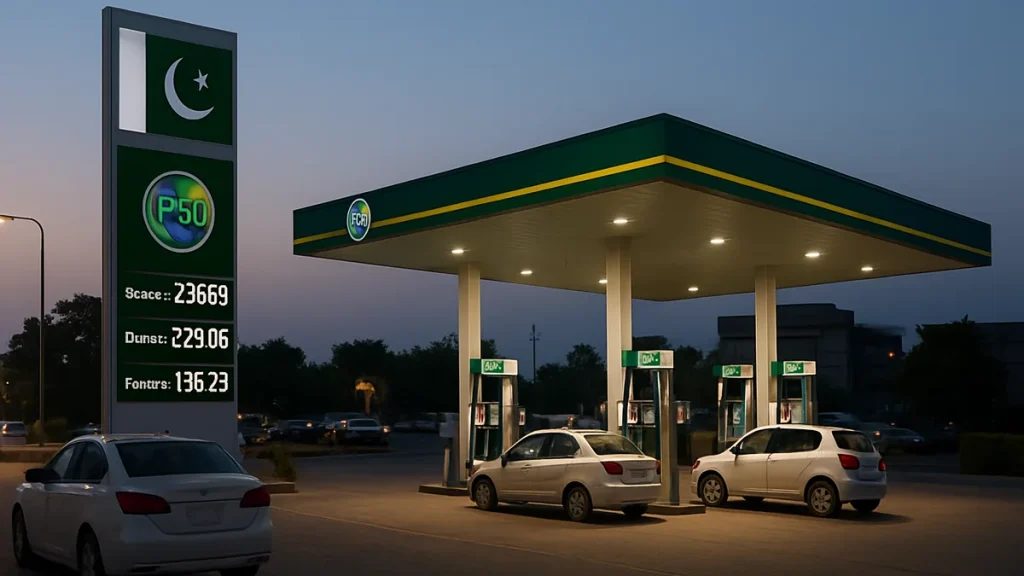
The federal government has moved to change the Petroleum Products (Petroleum Levy and Climate Support Levy) Ordinance, 1961. Federal Minister for Petroleum Ali Pervaiz Malik is set to table the Petroleum Products (Petroleum Levy and Climate Support Levy) (Amendment) Bill, 2026, in the National Assembly today.
The step comes as criticism of the levy and higher petrol prices grow, with officials and critics noting a heavier financial strain on low-income households. Jamaat-e-Islami (JI) has called for the levy to be scrapped to ease the cost of fuel for consumers. A day earlier, the PML-N also consulted the Pakistan Peoples Party (PPP) on the proposed amendment.
Assembly agenda and the legal framework for levies
Speaker Sardar Ayaz Sadiq will chair the session, which includes 18 items on the agenda. A resolution seeking a 120-day extension to the OGRA Ordinance, 2026, will also be placed before the House.
Also read: Government and PPP differ over economy, tax reform laws · Govt to end six-month higher power tariff for 200-plus units
The 1961 ordinance sets out the legal basis for imposing and collecting petroleum levies on specified petroleum products.
Talks with JI and a joint fuel relief committee
The move follows a meeting in Islamabad between JI Pakistan chief Hafiz Naeemur Rehman and Prime Minister Shehbaz Sharif, where the party’s demand to abolish the levy was raised. Planning Minister Ahsan Iqbal, speaking at a press conference alongside Prime Minister’s aide Rana Sanaullah, said the two leaders agreed to form a committee of three JI members and three government representatives.
The committee will examine ways to widen the government’s fuel relief scheme so that more eligible people benefit. It will also draft concrete proposals for phasing out petroleum levies in the next federal budget.
JI sets deadline and warns of long march
Hafiz Naeemur Rehman has announced that JI will hold a long march towards Islamabad in mid-November if the government does not meet its demands. Speaking at a news conference in Islamabad, he said the party had given the government seven to 10 days to address its concerns, including the abolition of the petroleum levy.