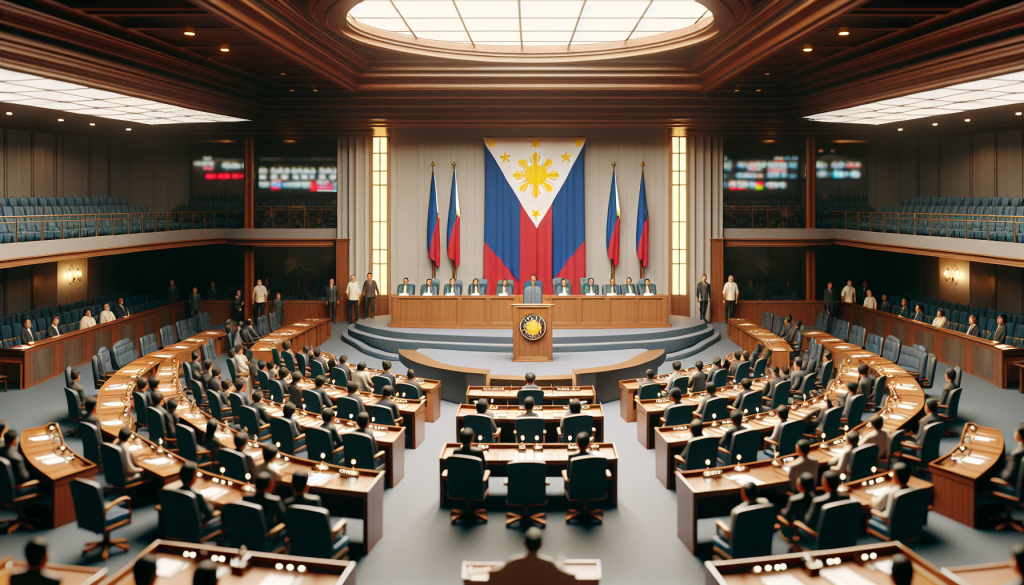
Philippine Vice President Sara Duterte has been formally impeached for the second time during her tenure. This development adds to the political challenges she faces as she prepares for a potential presidential bid in the 2028 elections. The impeachment process will proceed to a Senate trial, where the outcome remains uncertain and highly anticipated by political observers.
Impeachment in the Philippines is a significant legal and political mechanism that can lead to the removal of high-ranking officials from office. If the Senate convicts Duterte, she would be barred from running for president, effectively ending her political ambitions at the national level. This situation highlights the intense political rivalries and legal battles that characterize the country’s electoral landscape.
Meanwhile, Duterte’s impeachment underscores the broader context of political accountability and governance in the Philippines. It also raises questions about the stability and future direction of the country’s leadership. The trial’s outcome will have far-reaching implications not only for Duterte’s career but also for the political dynamics leading up to the 2028 presidential elections.