Close Menu
Global Hub News
    What's Hot

    Netherlands and Morocco Clash in FIFA World Cup 2026 Round of 32

    June 30, 2026

    Marco Rubio Meets Libyan Commander Amid US Efforts to Resolve Libya Crisis

    June 30, 2026

    Naomi Osaka Honors Japan with Traditional Kimono at Wimbledon

    June 30, 2026
    Facebook X (Twitter) Instagram Threads
    Trending
    • Netherlands and Morocco Clash in FIFA World Cup 2026 Round of 32
    • Marco Rubio Meets Libyan Commander Amid US Efforts to Resolve Libya Crisis
    • Naomi Osaka Honors Japan with Traditional Kimono at Wimbledon
    • Rescuers in Venezuela Listen for Survivors Amid Devastation
    • Israeli Minister Smotrich Urges Jewish Settlements in Gaza Strip
    • Ben Affleck Spends Quality Time on Rare Outing with Son Fin
    • Daveigh Chase, Actress Known for The Ring and Lilo & Stitch, Dies of AIDS
    • Madueke Confident of Making Impact for England in World Cup
    Facebook X (Twitter) Instagram
    Global Hub NewsGlobal Hub News
    Subscribe
    Tuesday, June 30
    • Home
    • World
    • Pakistan
    • Politics
    • Sports
    • Technology
    • Health
    • Entertainment
    • Business
    • Tax Calculator
    Global Hub News
    Home » Iran Warns of Full Closure of Strait of Hormuz if US Targets Power Plants
    Pakistan

    Iran Warns of Full Closure of Strait of Hormuz if US Targets Power Plants

    Web DeskBy Web DeskMarch 22, 2026No Comments3 Mins Read
    Share
    Facebook Twitter LinkedIn Pinterest Email

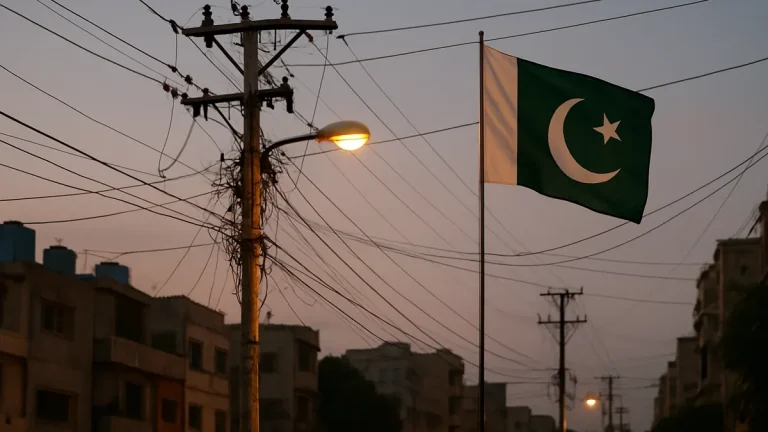
    In a stark escalation of regional tensions, Iran’s military issued a warning on Sunday that it would entirely close the Strait of Hormuz if the United States follows through on threats to target Iranian power plants. This critical waterway, which serves as a vital artery for global energy supplies, has already been severely disrupted since the outbreak of conflict earlier this year.

    The warning came after US President Donald Trump gave Iran a 48-hour ultimatum to reopen the strait, which has been effectively blocked since February 28. This closure followed a series of US-Israeli airstrikes targeting Iranian positions, igniting a broader conflict that has since engulfed much of the Middle East. Iran has retaliated with a series of drone and missile attacks aimed at Israeli and American interests across the region, further intensifying the hostilities.

    The statement from Iran’s military operational command, Khatam Al-Anbiya, broadcast on state television, made clear the conditions under which the strait would be reopened. It declared that if the US carries out its threats against Iran’s power infrastructure, the Strait of Hormuz would remain sealed until the damaged power plants are fully restored. This represents a significant escalation, as the strait is a crucial passageway through which approximately 20 percent of the world’s crude oil and liquefied natural gas shipments normally transit.

    Moreover, the military vowed to extend its retaliatory measures beyond Iran’s borders. It threatened to target Israel’s power plants, energy facilities, and information and communications technology (ICT) infrastructure. Additionally, Iran warned that it would strike power plants in neighboring countries that host US military bases or have companies with American shareholders. These actions are framed as defensive moves aimed at protecting Iran’s sovereignty and national interests amid the ongoing conflict.

    Since the conflict began, maritime traffic through the Strait of Hormuz has plummeted dramatically, with only about five percent of the usual volume managing to pass through, data from the analytics firm Kpler. Iranian forces have intercepted and attacked several vessels, accusing them of ignoring repeated warnings not to transit the waterway. Recently, Iran has selectively allowed ships from allied nations to pass while threatening to block vessels from countries it accuses of participating in the aggression against it.

    In parallel developments, Iran’s parliament is considering imposing tolls on ships passing through the strait, signaling a long-term strategy to exert control over this strategic chokepoint. Parliament Speaker Mohammad Bagher Ghalibaf emphasized that maritime traffic would not return to its pre-conflict levels anytime soon, underscoring the enduring impact of the ongoing hostilities on global energy markets and regional stability.

    Share. Facebook Twitter Pinterest LinkedIn WhatsApp Reddit Tumblr Email
    Web Desk

    Related Posts

    Police to Use Gait Analysis in Investigation of Ketan Agarwal Murder Case

    June 29, 2026

    15-Year-Old Madrassa Student Strangled by Classmates in Faisalabad

    June 29, 2026

    Woman Sustains Injuries in Acid Attack at Korangi Crossing, Karachi

    June 29, 2026
    Leave A Reply Cancel Reply

    Latest Posts

    Netherlands and Morocco Clash in FIFA World Cup 2026 Round of 32

    June 30, 2026

    Marco Rubio Meets Libyan Commander Amid US Efforts to Resolve Libya Crisis

    June 30, 2026

    Naomi Osaka Honors Japan with Traditional Kimono at Wimbledon

    June 30, 2026

    Rescuers in Venezuela Listen for Survivors Amid Devastation

    June 30, 2026

    Israeli Minister Smotrich Urges Jewish Settlements in Gaza Strip

    June 30, 2026

    Ben Affleck Spends Quality Time on Rare Outing with Son Fin

    June 30, 2026
    Don't Miss

    Netherlands and Morocco Clash in FIFA World Cup 2026 Round of 32

    By Web DeskJune 30, 20260

    Live updates and detailed coverage of the FIFA World Cup 2026 Round of 32 match between Netherlands and Morocco.

    Marco Rubio Meets Libyan Commander Amid US Efforts to Resolve Libya Crisis

    June 30, 2026

    Naomi Osaka Honors Japan with Traditional Kimono at Wimbledon

    June 30, 2026

    Rescuers in Venezuela Listen for Survivors Amid Devastation

    June 30, 2026
    Facebook X (Twitter) Instagram Pinterest
    • Home
    • Buy Now
    © 2026 NewsOra24

    Type above and press Enter to search. Press Esc to cancel.