Pakistan could serve as a major trade and transit corridor for landlocked Central Asian states that want access to sea routes and global markets, Federal Minister for Investment Qaiser Ahmad Sheikh said. He made the remarks at the inaugural sitting of the Second TIANSHAN Forum for Central Asia Economic and Quality Investment in Almaty, Kazakhstan.
Pakistan‘s strategic position, ports and investment potential could help deepen commercial and economic ties with countries in the region, he said.
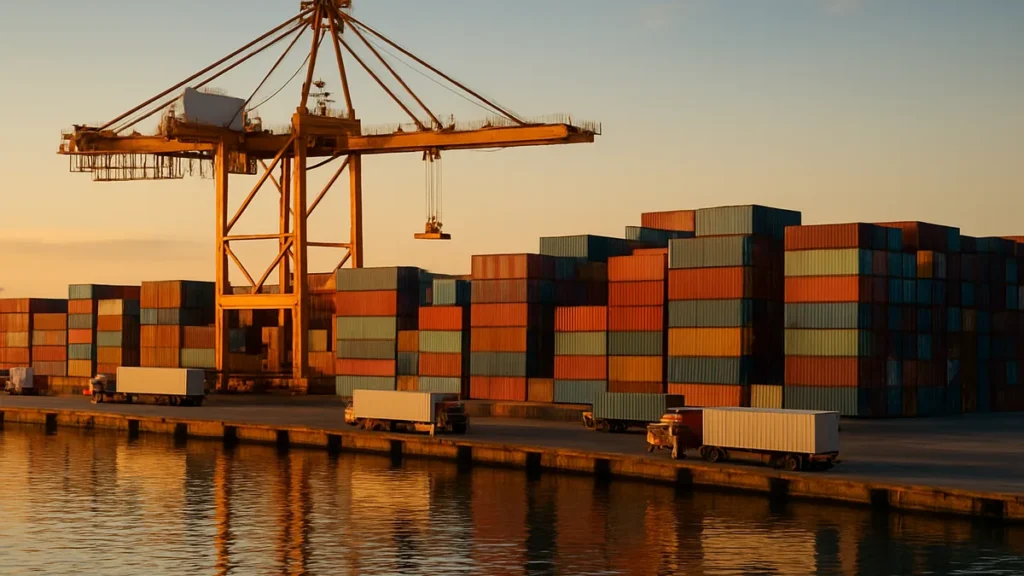
Karachi, Gwadar and Port Qasim as trade gateways
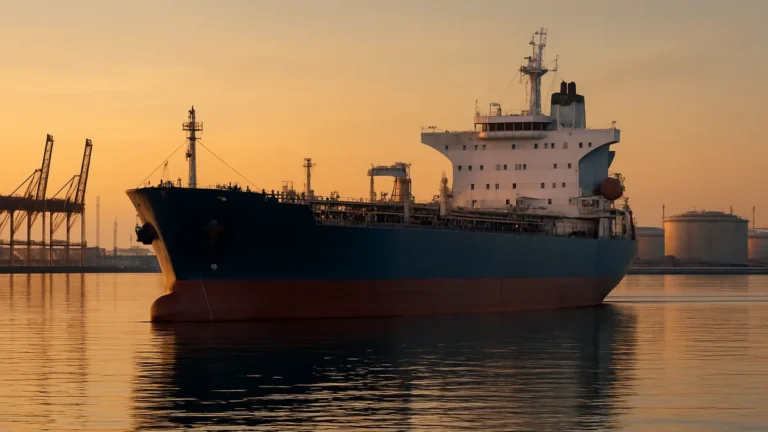
Sheikh named three major seaports, Karachi Port, Port Qasim and Gwadar Port, as key gateways for regional trade and the movement of goods. He described Karachi, the country’s main industrial and commercial centre, as offering strong prospects for trade, industrial cooperation and foreign investment. He cited its established business infrastructure, financial institutions and port facilities as reasons.
He also said Gwadar could improve regional connectivity and strengthen economic cooperation.
Young workforce and investor opportunities in key sectors
Sheikh said nearly 60 percent of Pakistan’s population is young, giving the country a demographic advantage in the form of a dynamic workforce and considerable room for growth. He invited regional and international investors to explore opportunities in energy, infrastructure, logistics, transportation, manufacturing and trade.
He stressed that better connectivity and reliable energy supplies were essential to unlocking the region’s economic potential. He also acknowledged the Central Asia Regional Economic Cooperation (CAREC) Program for promoting transport links, facilitating trade and supporting economic integration, calling it a valuable platform for partnerships between Pakistan and Central Asian states.
Concluding his remarks, Sheikh said regional connectivity was about more than roads, ports and markets. He argued it also meant connecting economies, creating investment, generating employment and building shared prosperity.