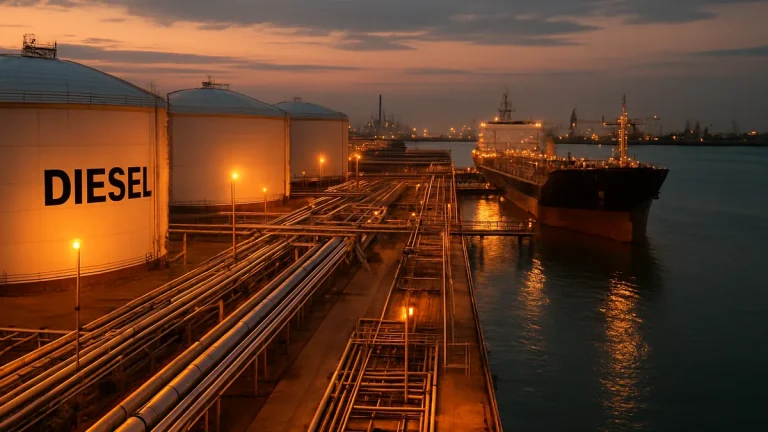

In a significant development, Iran has granted permission for a number of Iraqi oil tankers to pass through the Strait of Hormuz. This narrow waterway is one of the world’s most crucial maritime chokepoints, facilitating a large share of global oil exports. Control over transit through Hormuz has long been a focal point in regional geopolitics, affecting energy markets worldwide.
The decision to allow Iraqi tankers passage underscores the complex economic and political ties between Iran and Iraq, two neighboring countries with intertwined energy interests. Given the strategic importance of the Strait, such permissions can influence oil supply stability and regional security dynamics. This move may also reflect ongoing negotiations and cooperation efforts amid broader Middle Eastern tensions.
Meanwhile, the global oil market closely monitors developments in the Strait of Hormuz, as any disruption could lead to volatility in oil prices. The facilitation of Iraqi oil shipments through this route supports Iraq’s export capacity and economic growth. Notably, Iran’s control over this passage continues to be a critical factor in international energy security and diplomatic relations in the region.