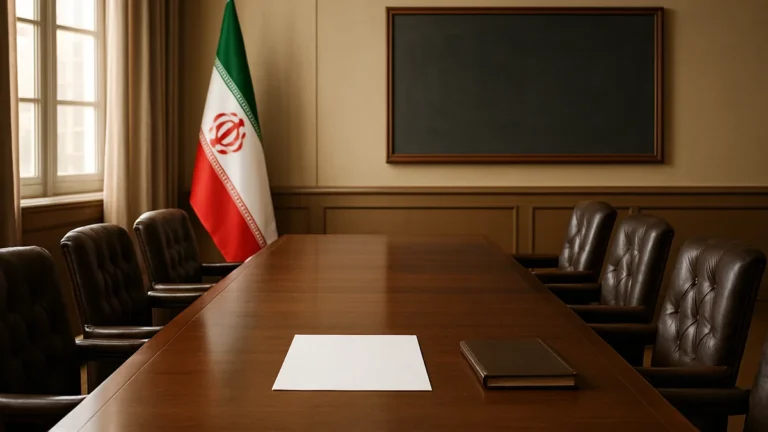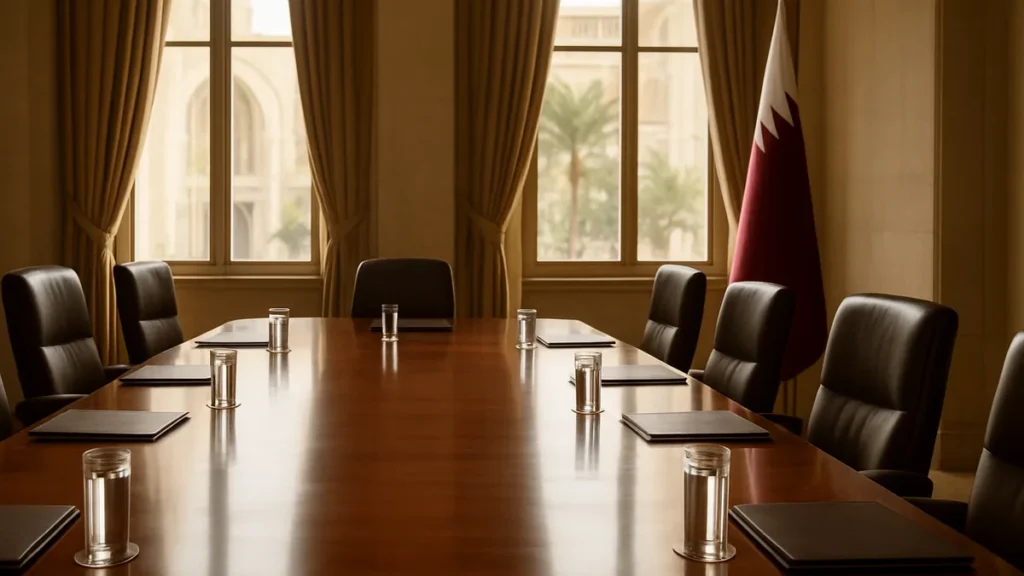
Iranian envoys sat down with Qatari mediators in Doha on Saturday, a source said, as diplomats in the region try to head off a fresh outbreak of fighting once the US midterm voting is finished. The source was briefed on the negotiations and spoke on condition of anonymity. The aim of the discussions, according to the source, is to find ways to bring the war in the Gulf to an end.
The Doha meeting followed more than 12 hours of talks on Friday between Iranian and Qatari representatives in Tehran, the source added. The contacts were being coordinated with Washington through regular channels, the source said.
Iran orders forces to prepare for possible attacks
Countries in the region have been bracing for President Donald Trump to resume strikes after the Tuesday vote. Trump has held off on attacks on Iran in the weeks leading up to the election. Tehran has said repeatedly that it would answer any new attacks by hitting US and Israeli targets in neighbouring countries.
Also read: Qatari mediators arrive in Tehran to revive US-Iran ceasefire
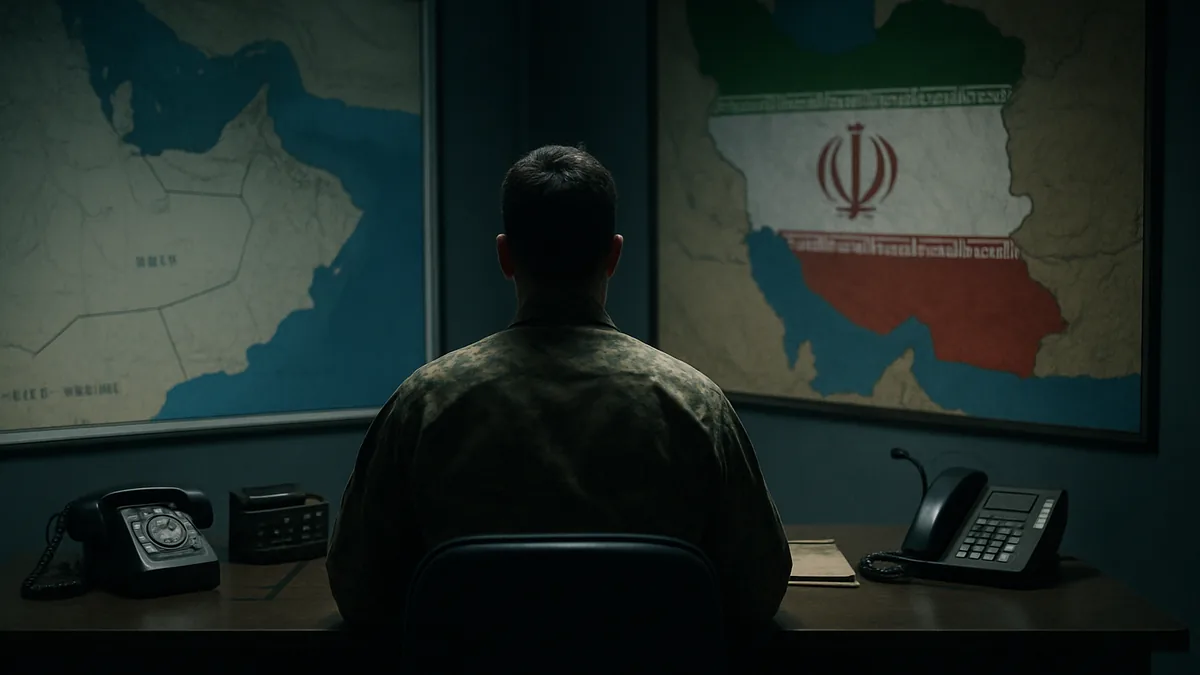
Supreme Leader Ayatollah Mojtaba Khamenei issued a statement on Saturday instructing the armed forces to be ready to respond to any attack, and the military later said it was taking steps to raise its readiness. In the statement, posted on his official Telegram account, Khamenei said: “Any level or type of threat must be met with an immediate, impactful, and geographically unrestricted response.” He has not appeared in public since taking over from his father, who was assassinated at the start of the war.
Khamenei also said senior commanders had reported high readiness along the Gulf coast, around the Strait of Hormuz and the Gulf of Oman, and on Iran’s northwestern and southeastern borders.
Washington signals openness amid strike threats
Trump launched the war alongside Israel in February and has repeatedly hinted at plans to restart strikes on Iran. Last week he urged Israelis, ahead of their own election, to keep his wartime ally, Prime Minister Benjamin Netanyahu, in power so that the two leaders could “finish the job.”
Even so, Washington has recently taken steps suggesting it is willing to pursue diplomacy. Earlier this week, Vice President JD Vance, who led the US delegation at earlier rounds of talks with Iran, sent a letter to a hardline senior Iranian security official. US media reports described the letter as an attempt to test whether talks could be restarted.
Trump played down the letter, saying he had approved it only to discuss allowing more medical supplies into Iran. “I said if you want to do that, that’s ok,” he said. “Basically, it’s getting supplies in to help people that are not well.”
Rival seven-day plans leave gaps in talks
According to the source, Qatari mediators brought Tehran a seven-day proposal a week ago. Under that plan, the United States and Iran would take daily steps to build trust before broader peace talks begin. A senior Iranian official said on Friday that Tehran did not regard the proposal as satisfactory.
Iran has been pushing its own seven-day plan since September, and Trump has so far rejected it. That proposal calls on Washington to lift its blockade of Iranian ports, unfreeze assets and approve an Iranian-backed route through the Strait of Hormuz. After that, Iran says, the contested strait would reopen.
Foreign Minister Abbas Araqchi said on Saturday that Iran was studying Vance’s letter. He added that the Iranian plan was the only proposal on the table for reopening the strait.