Candidates in two key United States Senate races have held their final debates, less than two weeks before the November 3 midterm elections. In Michigan, Democrat Abdul El-Sayed and Republican Mike Rogers traded accusations on Wednesday over their political positions and the US-Israel war on Iran. In Kansas, Republican Senator Roger Marshall and his Democratic challenger, Adam Hamilton, disagreed over rising diesel prices and President Donald Trump’s plan to import Russian fuel.
The outcomes of both contests will help decide which party controls the Senate. Republicans currently hold 53 of the chamber’s 100 seats, while Democrats hold 45. Two senators are independents who caucus with the Democrats.
Rogers questions tariffs while pledging to back Michigan
Rogers described some of Trump’s tariffs as a “mixed bag”. He backed efforts to bring car manufacturing back to Michigan from China and Mexico, but he raised doubts about the effect of tariffs on Canada. Michigan borders Canada and has the most car-manufacturing jobs of any US state.
Also read: Russian diesel tanker heads to US before midterm vote · Three key issues shaping the 2026 US midterm elections
“I have stepped back and said maybe these Canadian tariffs were not well thought through,” Rogers said, pointing to the close links between the two countries’ auto industries. He added that he would put Michigan’s interests first if elected, saying he would support anything good for the state and oppose anything harmful to it.
Rogers also pushed back against El-Sayed’s frequent mentions of Trump. He said the debate should be scored on how often El-Sayed brought up the president in his answers, calling the habit ridiculous.
Iran war, fuel prices and security clearance accusations
El-Sayed accused Rogers of backing the war on Iran, which he blamed for higher fuel and food prices across the US. He said he believed Iran posed a threat to US national security, but argued that the 2015 nuclear agreement, negotiated under former President Barack Obama, had helped contain that threat through diplomacy.
That agreement, the Joint Comprehensive Plan of Action (JCPOA), was signed by Iran and several world powers, including the US. It restricted Iran’s nuclear programme, strictly limited uranium enrichment and required Iran to accept international inspections, in return for relief from sanctions. Trump pulled the US out in 2018, arguing that the deal did not adequately deal with Iran’s nuclear ambitions, its ballistic missile programme or its support for armed groups in the region. El-Sayed criticised that withdrawal, as well as the decision to launch a war against Iran during Trump’s second term.
According to the American Automobile Association (AAA), regular petrol in Michigan averaged $4.44 a gallon on Wednesday, up from $2.92 a year earlier. Diesel rose from $3.62 to $6.41 a gallon over the same period. El-Sayed said Americans were bearing the cost, telling voters: “You’re paying more in groceries because of the price of diesel.”
El-Sayed also tied Rogers to Trump, who is expected to campaign in Michigan on Sunday. The clash grew sharper when Rogers suggested El-Sayed had the same supporters as groups like Hamas, an allegation El-Sayed rejected as “shameful”. Rogers told reporters afterwards that he questioned whether El-Sayed could obtain a security clearance for senators if elected.
Marshall and Hamilton split over diesel, Russia and Ukraine
In Kansas, Marshall said Russia’s war on Ukraine, rather than the Iran war, was responsible for soaring diesel prices. His remarks echoed Trump’s recent criticism of Ukraine, including the claim that Ukrainian attacks on Russian refineries had pushed up fuel costs. Trump has agreed a deal with Russian President Vladimir Putin to release Russian diesel stocks to the US and global markets to ease prices.
Marshall voiced reservations about that idea. “It doesn’t sound like a great idea,” he said, adding that if it brought Russia to the negotiating table and ended the war, he was in favour of it. Hamilton reacted angrily, saying that Marshall was prepared to sell out Ukraine, which he described as unacceptable.
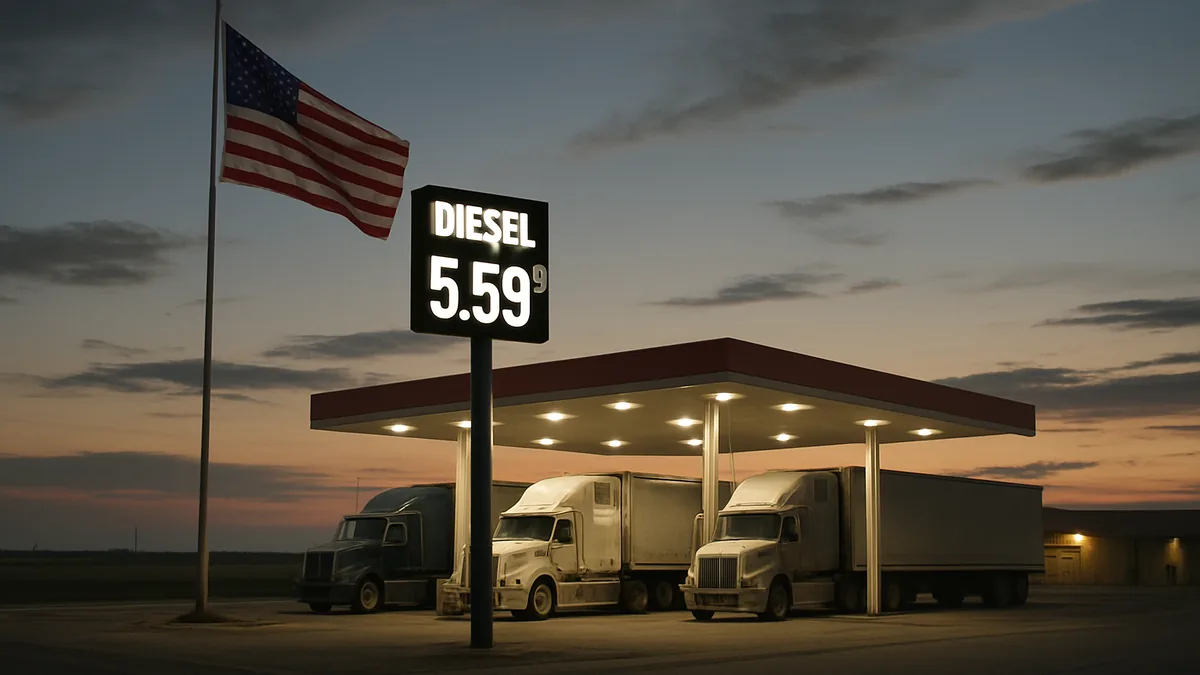
Diesel has become a major campaign issue in Kansas, where farmers depend heavily on the fuel. According to AAA, diesel averaged $6.32 a gallon in the state this week, compared with $3.62 a year earlier. Hamilton blamed the increases on Trump’s war on Iran and called for a temporary suspension of federal fuel taxes. Marshall has said he wants the war to end soon, but has not committed to pressing Trump to end it.
Immigration enforcement and Gaza weapons sales dominate final exchanges
Immigration brought another heated exchange in both races. Rogers defended the Trump administration’s crackdown, arguing that Immigration and Customs Enforcement (ICE) operations had helped reduce crime, and urged authorities to find people committing crimes and remove them from the country. El-Sayed criticised ICE’s tactics and accused Rogers of supporting raids on schools, workplaces and places of worship. “I believe that we don’t need ICE,” he said.
In Kansas, both candidates expressed cautious support for making E-Verify, a system that lets employers check whether workers are legally allowed to work in the US, mandatory for businesses. Marshall said it was “a good idea” but that “the devil’s in the details”, adding that Republicans had secured the border and could now focus on fixing the immigration system. Hamilton challenged Marshall over his earlier mention of delivering babies for undocumented parents, and criticised recent ICE raids in southwestern Kansas, which he said were frightening workers and disrupting agriculture.
Hamilton also criticised the use of US weapons in Gaza. He said he supported providing Israel with defensive weapons but opposed supplying bombs used in attacks on densely populated areas. Marshall defended Washington’s alliance with Israel, and when asked whether he would ever block a weapons sale, he said: “I’m sure there is. I’m not sure what it would be.” He stressed the importance of military alliances but argued that Washington should put domestic concerns first.