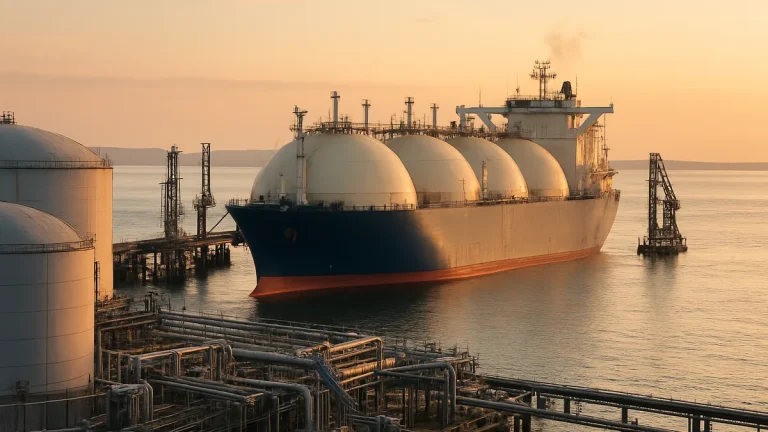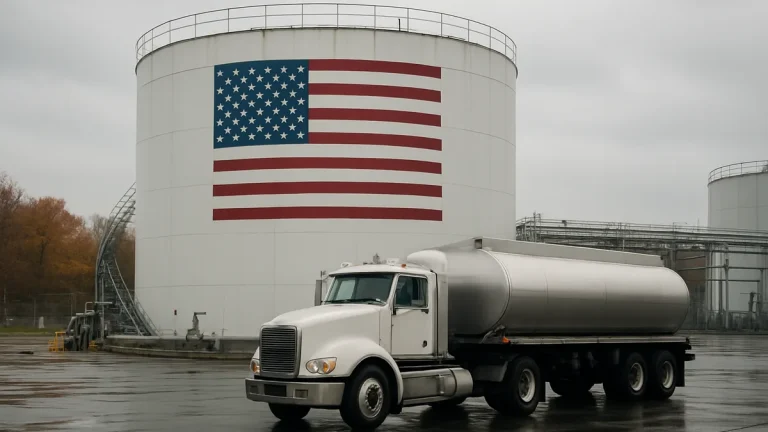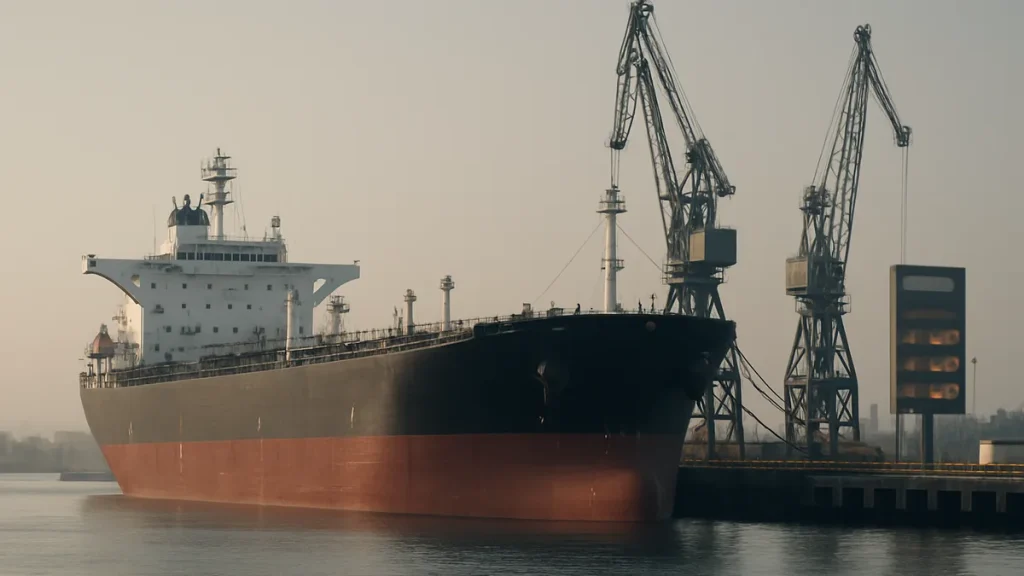
Russia is preparing to send its first tanker carrying diesel fuel to the United States on Thursday. The cargo is part of an agreement with Washington designed to ease fuel shortages that have pushed US diesel prices higher ahead of next month’s midterm elections.
Moscow said on Wednesday that the vessel was bound for an undisclosed American port and was due to leave on Thursday. The shipment forms part of a wider effort to route more fuel to the US, even though Russia itself faces limits on its own supply and American drivers are paying high prices at the pump.
Washington deal follows US envoy talks in St Petersburg
The White House is trying to restrain rising energy costs as worries about the cost of living weigh on Americans before the contentious midterm vote. According to a recent national poll, voters increasingly trust Democrats over Republicans on economic questions, with 37 percent backing Democrats on the issue and 28 percent favouring Republicans. Confidence in President Donald Trump’s handling of the economy has also fallen, with 28 percent approving of his record.
Also read: Russia readies diesel shipment for US after Trump agreement · Three key issues shaping the 2026 US midterm elections
The first shipment was revealed during a visit to St Petersburg by US special envoy Steve Witkoff, who held discussions with Russian officials. The tanker is described as the opening step in a larger commitment to raise Russian fuel deliveries to the US, rather than a single one-off cargo.
Trump had earlier said Russia would export 300,000 tonnes of diesel. That would be followed by 500,000 tonnes in November and then 1 million tonnes “immediately thereafter”. Russian officials said on Wednesday that the initial load would be the first of several.

Doubts over scale, timing and Russian refinery damage
Neither the size nor the timing of those later shipments is settled. Russia has been struggling with domestic fuel shortages linked to Ukrainian drone attacks on its refineries, which have reduced refining capacity and led Moscow to restrict fuel exports. Whether the promised volumes arrive will depend on how quickly Russia can restore production while still meeting its own demand.
The agreement also comes after Trump dropped plans for another round of sanctions against Russia. The proposed measures included a 100 percent tariff on goods from major buyers of Russian crude oil, among them China and India.
Analysts say the cargo will do little for US drivers
Analysts expect the first shipment to bring little meaningful relief to American consumers before the midterms. US retail diesel rose above $6 a gallon ($1.59 per litre) in September and has stayed elevated since. On Wednesday, the national average stood at $6.31 a gallon ($1.67 per litre), according to the American Automobile Association. That was down from $6.51 ($1.72 per litre) a month earlier, a fall of 3.1 percent, but still well above the $3.62 ($0.96 per litre) recorded at this time last year.
Rachel Ziemba, an adjunct senior fellow at the Center for a New American Security, said the volumes Russia can supply are small when set against the global shortage and US domestic output. In her view, the cargo is unlikely to shift supply or push prices meaningfully lower.
Aarathi Krishnan, chief executive of Raksha Intelligence, said the reported shipment equalled roughly two hours of US distillate consumption. Even if it arrives as planned, she said, it would make very little difference to national supply.
Ziemba also pointed out that the tanker may not reach the US before voters go to the polls. Leaving port on Thursday marks the start of the journey, not the moment the fuel becomes available to consumers. Any lasting drop in prices, she suggested, would depend on a broader improvement in global supply rather than on a single delivery.
Middle East conflict and refinery repairs shape the outlook
Ziemba said meaningful relief for the global oil market would depend largely on developments involving the Strait of Hormuz, a crucial shipping route that carried roughly one-fifth of the world’s oil and liquefied natural gas before the US-Israel attack on Iran.
The Russian cargo arrives amid a wider conflict involving Iran and disruption to energy shipping, which have added pressure to fuel markets. Kpler, a data analytics platform, counted at least 18 attacks on vessels over the previous two weeks. On Wednesday, Iranian Foreign Minister Abbas Araghchi said in an interview with a financial daily that Iran was fully prepared to defend itself.
Krishnan said Russia’s capacity to supply more diesel partly depends on the state of its refineries, which Ukrainian attacks have hit. Washington’s wish for lower fuel prices, she added, gives it a reason to help reduce that disruption. A lasting ceasefire between Russia and Ukraine could also ease pressure on energy markets by allowing damaged refineries to be rebuilt and output to rise.
Ziemba described the current agreement as being more about political posturing, aimed at pushing Washington to increase pressure on Ukraine and move closer to Russia. Krishnan said the deal may help individual buyers or reassure traders in the short term. Lasting relief, however, would require a real increase in available diesel, something Russia has not yet shown it can deliver.