
Fighting broke out on September 23 in Ethiopia’s northern Tigray region, undermining a peace agreement between the Ethiopian government and the Tigray People’s Liberation Front (TPLF) that was signed nearly four years earlier. The latest clashes pit the federal government-backed Tigray Peace Force (TPF) against the TPLF and began in the Erbeti area of the Afar region. The 2022 deal had come apart over disarmament and territorial claims.
A correspondent who was assigned to cover the fighting has described the difficulties of reporting from the conflict zone. The reporter said the war brought back memories of earlier reporting in November 2021, when the previous round of fighting, which the reporter said killed more than half a million people, ended with the 2022 agreement. The account traces the team’s movements from Addis Ababa through Afar to Mekelle, the Tigrayan capital.
Fighting reaches Erbeti and forces a hasty retreat
The team drove about 900km northeast of Addis Ababa to Erbeti, hoping to rest briefly and organise its coverage. Events moved faster than expected. Residents were leaving a town that had seemed safe the day before, with vehicles loaded with belongings and families hurrying to get away before the fighting came closer.
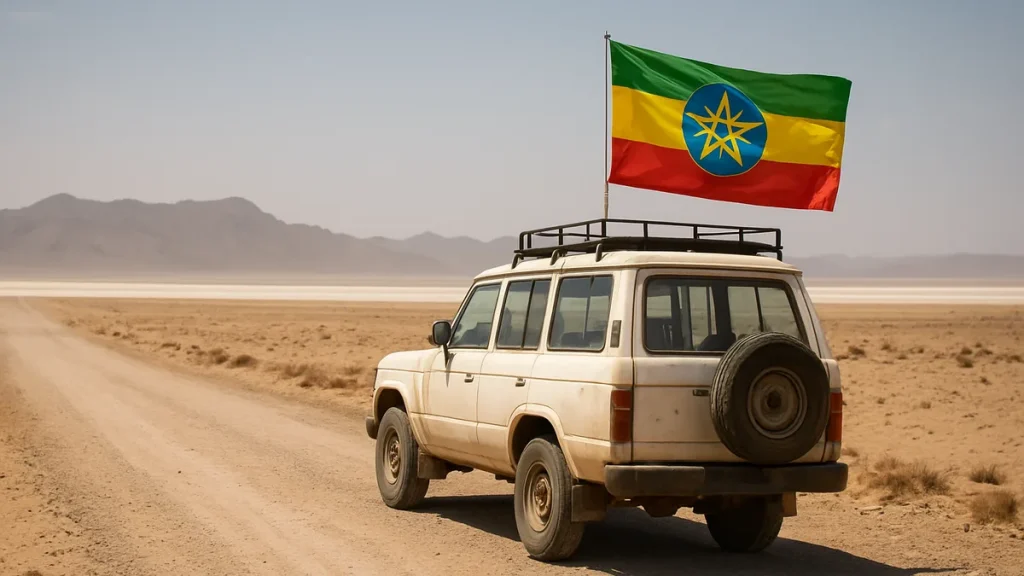
Shelling soon sounded nearby, and the reporter said staying would have put the team’s lives at risk. The journalists withdrew within hours of arriving, travelling about 100km east on unpaved roads toward Afdera. Afdera is a small town that serves as the administrative centre of the district of the same name, which is known for salt mining.
The team spent the night in its car in the desert, where temperatures stayed above 35 degrees Celsius. The reporter described the next day as one of heat and exhaustion, with readings reaching 50C as the crew reviewed material, made calls and coordinated with its newsroom in Doha, Qatar.
Reaching the front line under shelling
The team returned north toward Erbeti the following morning and found the fighting had grown more intense in the mountains between government-backed forces and the TPLF. Although the reporter could not see the clashes directly, the sound of artillery grew louder as the vehicles approached. At one point the team was only about 3km from the front line.
The journalists put on body armour and helmets and approached government troops positioned on the line. They filmed footage and recorded brief accounts from soldiers before the soldiers ordered them to leave immediately. The reporter said the team had no time to argue or take a final shot, and departed while shelling continued in the mountains behind them.
Over the following days, the team travelled difficult mountain routes through Afar, Amhara and Tigray. The reporter said roads used in the morning could become impassable by evening, and information gathered before noon often had to be checked again before sunset. In villages near the front, the reporter described visible fear, with mothers packing small bags and children watching the road.
Mekelle under federal control and an uneasy calm
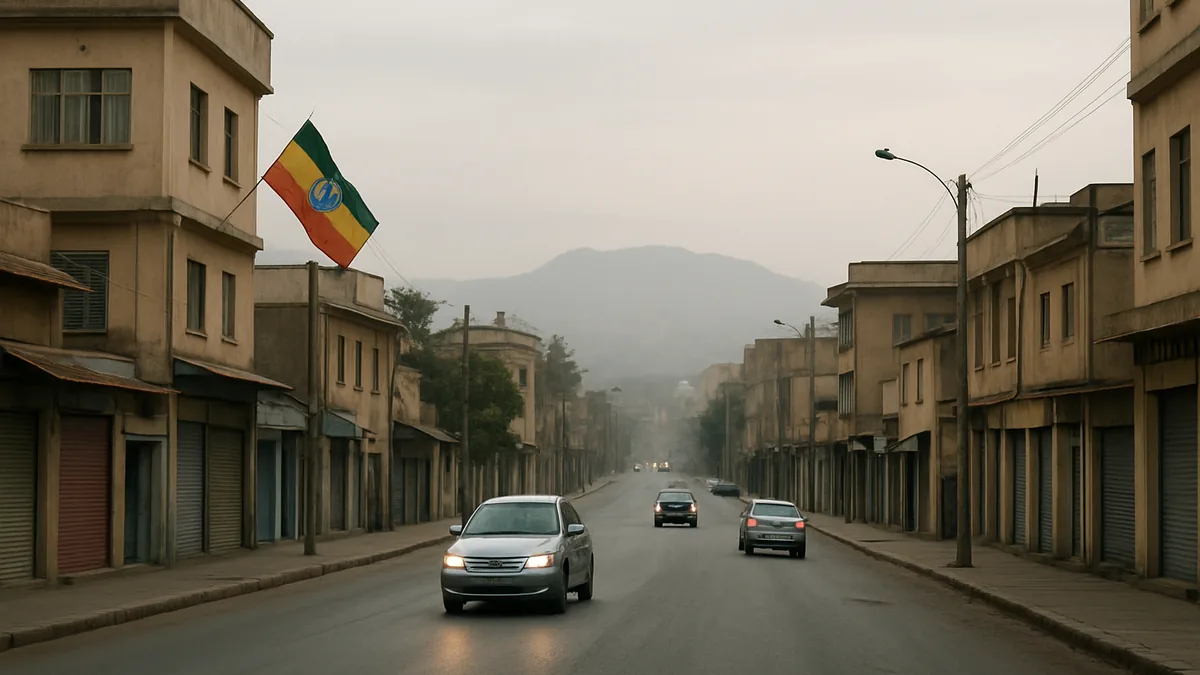
The team arrived in Mekelle a day after Ethiopian federal forces and their allies entered the city, by which time TPLF forces had withdrawn. The reporter said the city appeared exhausted rather than chaotic, with the usual police and security presence missing. Some shops had reopened in certain neighbourhoods, and cars moved quietly along the streets.
Residents reacted in different ways. Some soldiers were welcomed in certain streets, while in others people stayed silent, uncertain about what would come next. Many declined to speak on camera because they did not know how events would unfold, and the reporter said it was hard to establish who was keeping order or what the coming hours would bring.
The reporter said the team was, as far as it knew, the only media crew in Mekelle, which made verification especially important. The journalist said reporters had to separate what they personally saw from what residents said and what the warring parties announced. The team kept a routine of filming in the morning, preparing reports and following developments hour by hour before leaving the city after three days.
Balancing impartiality with reassurance for families
The reporter said the coverage also raised ethical questions in a deeply polarised conflict. People in Tigray have long-standing grievances against the federal government, and the account notes that President Abiy Ahmed, who came to power in 2018, carried out political reforms, lifted media censorship and freed thousands of political prisoners. Ethnic tensions have since erupted in the country of 139 million people.
According to the reporter, filming residents welcoming government-backed troops without presenting those scenes as representative, or reporting fears about departing TPLF fighters without drawing firm conclusions, was necessary to avoid accusations of bias from any party. The journalist said talking with residents, including those who preferred to speak off camera, helped the team weigh competing narratives.
While the team kept reporting, rumours spread that its members had been arrested or trapped in the city, causing anxiety among colleagues and family members. The reporter said an appearance on live television reassured many who had been trying to reach them, and that some Mekelle residents had learned from the broadcast that government forces had taken control of the city. The reporter concluded that, with communications disrupted, television was bringing people news of events close to their homes.