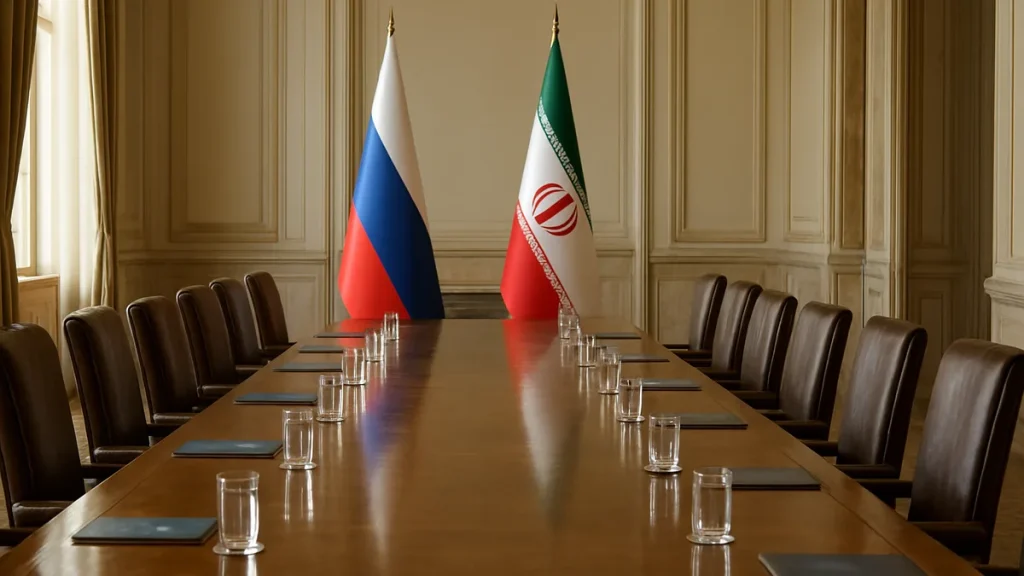

Russian Foreign Minister Sergey Lavrov arrived in Iran on Monday, according to Russian media, in his first trip to the country since the Middle East war broke out. Moscow is seeking a mediating role in the conflict. Iranian foreign ministry spokesman Esmaeil Baqaei said on Sunday that the visit would focus on “regional and international developments.”
Lavrov’s planned talks and Moscow’s stated aims
Lavrov is due to meet Iranian President Masoud Pezeshkian and hold talks with his counterpart, Abbas Araghchi, the Russian foreign ministry said. The veteran diplomat has said Moscow’s efforts are aimed at preventing a return to large-scale war, at a time when talks between Tehran and Washington have stalled.
The visit follows a call in early October in which Russian President Vladimir Putin told Pezeshkian that Moscow was ready to contribute to mediation efforts. Russia and Iran, both among the most heavily sanctioned countries in the world, maintain close ties. Their military and economic cooperation has grown since Russia invaded Ukraine in 2022.
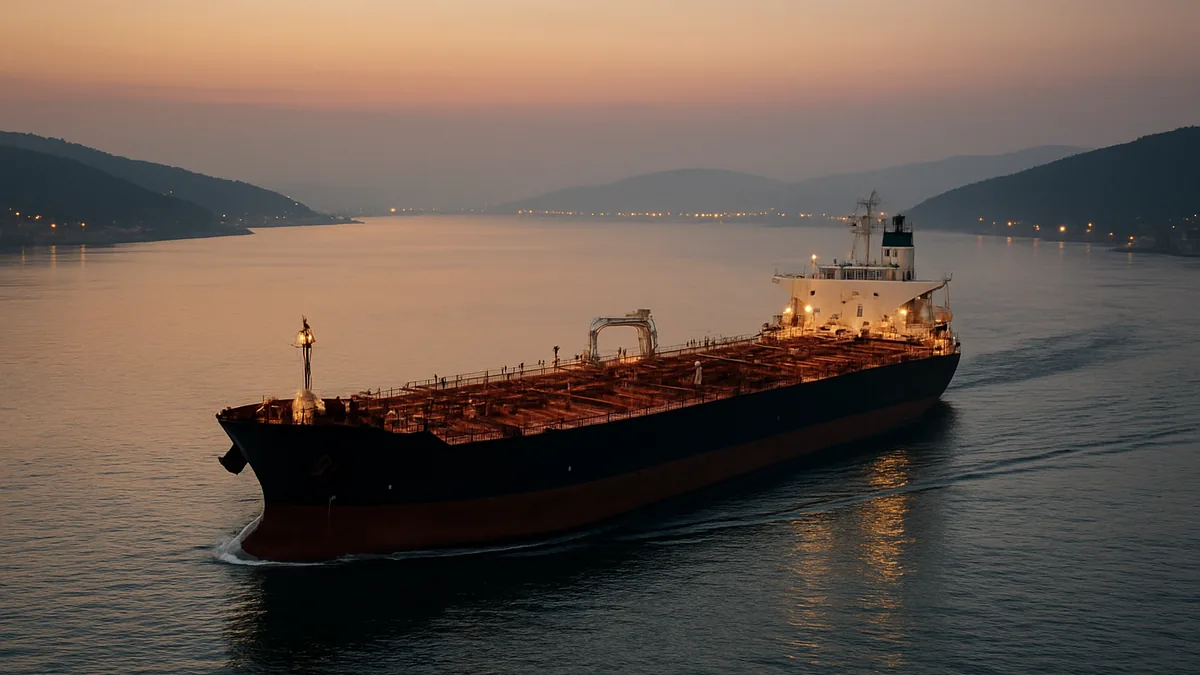
Hostilities around the Strait of Hormuz continue
The Middle East war began in February with US-Israeli strikes on Iran. A ceasefire in April was followed by a memorandum of understanding between Washington and Tehran in June, but fighting in and around the Strait of Hormuz has not stopped.
Iran claims control over the strategic waterway, through which one-fifth of the world’s hydrocarbons pass in normal times. Tehran regularly targets vessels that cross without its authorisation. In response, Washington has maintained a naval counter-blockade on Iranian ports.
The Russian foreign ministry said Lavrov’s discussions were expected to focus on ways to resolve the crisis, which it described as triggered by the unlawful aggression of the United States and Israel against Iran. It added that the war had damaged stability and security not only in the Near and Middle East but also on a global scale.
Iran’s seven-day proposal and stalled negotiations
Speaking in an interview in Baghdad on Sunday, where he attended a session of the Organisation of Islamic Cooperation Council of Foreign Ministers, Araghchi said Iran’s offer to the United States to reopen the strait within seven days remained on the table. Iran made the proposal in mid-September to US President Donald Trump, after an interim ceasefire collapsed. Tehran later acknowledged receiving a US response.
Iran’s Security Chief Mohsen Rezaei said last week that negotiations had stalled because Washington had not addressed all seven conditions for reopening the strait. Araghchi told IRNA that Iran was reviewing the comments it had received, adding that “the way to reopening the Strait of Hormuz is obvious” if the US showed honesty.
Tehran’s conditions include lifting the US blockade on its ports, lifting US sanctions on its oil exports, and ending hostilities on all regional fronts. Araghchi said that if Washington accepted these conditions, the strait could reopen within six days, with talks resuming the following day.