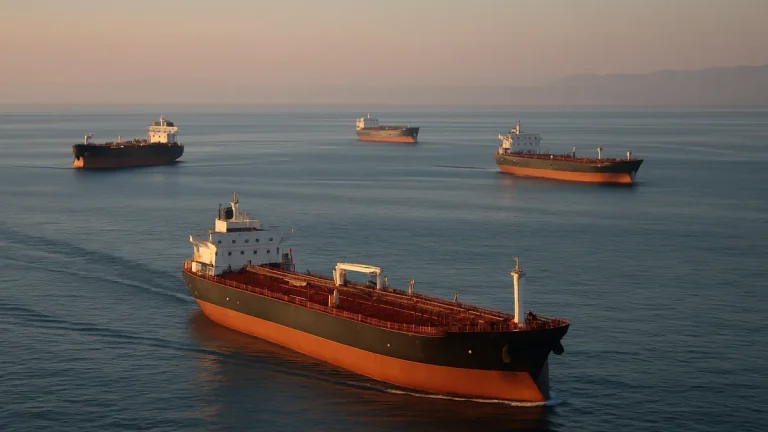
Iran has yet to provide a definitive response to the United States’ proposal aimed at ending ongoing hostilities. The delay stems from Tehran’s cautious evaluation of the terms, particularly those related to its nuclear activities and strategic interests in the Strait of Hormuz. This waterway is a critical chokepoint for global oil shipments, making its control a significant geopolitical factor.
In a significant development, the nuclear program remains a core issue in negotiations, as Iran seeks to maintain its nuclear capabilities while facing international pressure for transparency and restrictions. The US proposal likely includes conditions that challenge Iran’s current nuclear stance, prompting Tehran to deliberate carefully before committing. Meanwhile, the Strait of Hormuz’s security and access rights continue to be contentious, given its importance to regional and global energy markets.
The ongoing review process highlights the complexity of resolving the conflict, with both sides balancing strategic interests and diplomatic pressures. Iran’s response will have far-reaching implications for regional stability and international relations, especially concerning energy security and nuclear non-proliferation efforts. Observers await Tehran’s decision, which could either pave the way for de-escalation or prolong tensions in the region.